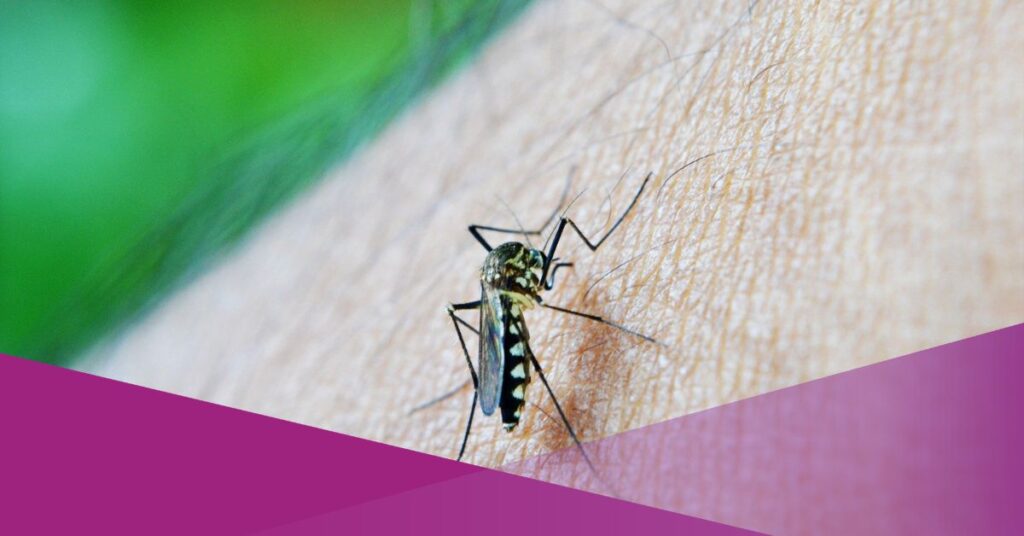
The US Centers for Disease Control and Prevention (CDC) has issued a Level 2 Travel Health Notice over the risk of Zika virus in Bali, advising travellers to take precautions against mosquito bites. Indonesian authorities, meanwhile, have confirmed that no Zika cases have been reported in Bali to date.
The advisory, issued on August 7, 2026, followed reports of travellers who tested positive for Zika after returning from Bali. The CDC’s warning highlights the potential risk of transmission and advises travellers to take measures to prevent mosquito bites and consider precautions related to sexual transmission.
In response to this, the Head of the Disease Prevention and Control Division (P2P) at the Bali Provincial Health Office, I Gusti Ayu Raka Susanti, confirmed that to date there have been no reported cases of Zika in Bali.
“Whilst there have been no reports of Zika cases in Bali itself, as it is a tropical country, tourists are advised to be vigilant when travelling; that is only to be expected,” said Raka, as quoted by Antara on Monday (24 August 2026).
She explained that Zika prevention is, in principle, similar to the management of dengue fever, namely by avoiding bites from Aedes mosquitoes, which act as vectors for transmission. In her view, these preventative measures are sufficient.
Responding to the advisory, the Bali Provincial Health Agency said its surveillance system has not identified any confirmed Zika cases on the island.
“We can state that, based on routine surveillance data from regency/city health agencies and hospitals throughout Bali, no confirmed cases of Zika have been found in Bali Province to date,” said Head of the Bali Provincial Health Agency I Nyoman Gede Anom to DetikNews on Monday (August 24, 2026).
Bali Officials Urge Travellers to Prevent Mosquito Bites
The Bali Tourism Agency has coordinated with the provincial health authorities following the CDC notice. Head of the Bali Tourism Agency I Wayan Sumarajaya said the local government was aware of the advisory and was continuing to monitor the situation.
“We have coordinated with the relevant agencies on this matter. Based on the explanation from the Bali Provincial Health Agency, there have been no reported cases of Zika in Bali itself,” Sumarajaya said when contacted by Kompas.com on Monday (August 24, 2026).
Although there are no confirmed cases in Bali, officials are encouraging tourists to take precautions, particularly by reducing their exposure to mosquito bites.
Sumarajaya noted that mosquito-borne diseases remain a concern in tropical regions, including Bali, where dengue fever is also present.
“However, since we are in a tropical country, prevention is important, just as it is for dengue fever. Tourists should remain vigilant to avoid mosquito bites; they are advised to stay alert wherever they travel while in Bali,” he said.
The Tourism Agency also said tourism activities on the island are continuing as normal. Sumarajaya called on tourism businesses and other stakeholders to maintain service standards for visitors.
“Likewise, business operators and related stakeholders should continue to provide the best service to tourists. National and international events are proceeding smoothly and successfully,” he stated.
He also expressed hope that the CDC notice would not discourage international visitors from travelling to Bali.
“I hope tourists are not afraid to come to Bali, because the island is safe and comfortable for a holiday,” he emphasised.
Health Authorities Strengthen Zika Surveillance
Zika is primarily transmitted through the bite of infected Aedes aegypti mosquitoes, the same mosquito species associated with dengue transmission.
According to Anom, Bali’s health authorities are using the CDC warning as an opportunity to strengthen monitoring and detection.
Symptoms of Zika can include a rash, fever, red eyes, muscle and joint pain, weakness and headache. According to the Bali Provincial Health Agency, symptoms generally develop between three and 14 days after infection and usually last between four and seven days.
“Symptoms of this disease usually appear after an incubation period of 3 to 14 days. The symptoms typically last for 4 to 7 days,” Anom explained.
The Ministry of Health and the Bali Provincial Health Agency are also planning to strengthen surveillance across healthcare facilities and improve diagnostic capacity. This includes expanding PCR and serology testing at regional and national reference laboratories.
“This measure includes increasing PCR and serology testing capacity at regional and national reference laboratories to ensure rapid and accurate diagnosis,” Anom said.
Authorities are also encouraging residents and visitors to maintain clean surroundings and reduce mosquito breeding sites. The recommended measures include the 3M Plus approach, which involves draining water containers, covering water storage areas and recycling items that can collect stagnant water.
Additional measures include using mosquito repellent, sleeping under mosquito nets and taking other precautions to reduce mosquito exposure.
While the CDC warning highlights a potential health risk, Bali authorities maintain that there are currently no confirmed Zika cases on the island and that tourism activities continue as usual.
Find this article helpful? Check out other articles from Social Expat for more updates about Indonesia