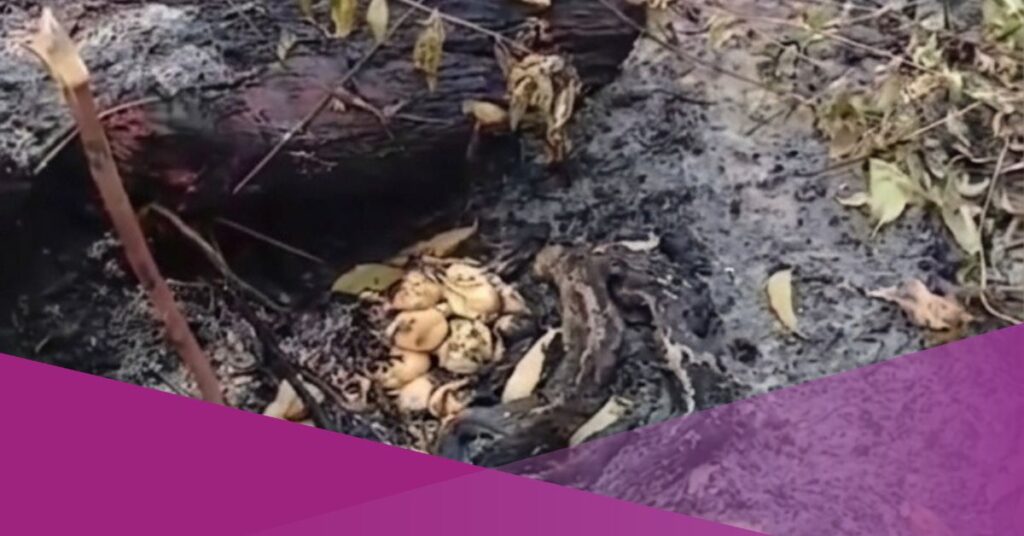
Forest and land fires in West Kalimantan are taking a toll on wildlife, with firefighters reporting the deaths of several animals trapped in affected areas, including snakes and a pangolin.
A video circulating online has also drawn attention to the impact of the fires on animals. Uploaded by TikTok account @ayaikuy on Tuesday, 18 August, the footage reportedly shows a mother snake that had been burned to death amid the forest and land fires in Kalimantan.
The incident highlights another consequence of the fires, which have affected not only communities and air quality but also wildlife living in and around the affected areas. As fires spread across forests, peatlands and other vegetation, animals can lose their habitats and struggle to escape the flames.
The government has stepped up efforts to control the fires, deploying an additional 1,500 Indonesian Military (TNI) personnel and more than a dozen water-bombing helicopters to Kalimantan. Authorities have also increased water pumping and borehole operations in peatland areas and launched weather modification operations in an effort to encourage rainfall in affected regions.
Pangolin and Snakes Found Dead at Fire Sites
The Manggala Agni firefighting team has reported finding several animals dead at fire locations in West Kalimantan.
Efendi, the Acting Head of the Manggala Agni Operational Area (Daops) Kalimantan X/Ketapang, said his team discovered a dead pangolin while carrying out firefighting operations in Ketapang Regency.
According to Fitria Sri Handayani, Coordinator for Prevention and Innovation at Manggala Agni’s Kalimantan X/Ketapang Operational Area, the pangolin was found in Sungai Awan Kiri Village, Muara Pawan District, near the Tanjung Pura Main Road.
In addition to pangolins, snakes have been among the animals most frequently found dead after becoming trapped by the fires.
“So far, the animals most commonly found dead due to forest fires are snakes,” Efendi said.
The way snakes move may make it difficult for them to escape quickly when flames spread across the ground. Smaller animals and reptiles can also be particularly vulnerable when fires move rapidly through dry vegetation and peatland areas.
Fitria said the field teams had also encountered damage to insect habitats and other wildlife.
“So far, it is mostly pangolins, snakes, and beehives that we find (dead) in the field,” she said.
Larger Animals Have Not Yet Been Found Among Fire Casualties
Despite the wildlife deaths reported by firefighting teams, personnel have not yet found casualties among larger animals such as orangutans or bears.
Efendi said these animals may have a better chance of escaping because of their stronger survival instincts.
“As for orangutans or bears, we haven’t encountered any so far, likely because those animals possess stronger instincts; when they hear the sound of fire from a distance, they quickly move away and flee,” she explained, as quoted by Media Indonesia.
However, the absence of recorded casualties among larger animals does not mean that the fires have had no impact on their habitats. Forest and land fires can destroy feeding grounds, nesting areas and shelter, while smoke and habitat loss may force wildlife to move into unfamiliar areas.
The deaths recorded by Manggala Agni personnel provide a picture of how forest and land fires affect ecosystems beyond the immediate threat to human health and property. While firefighting operations continue across affected parts of Kalimantan, animals that are unable to escape the flames remain at risk.
For wildlife living close to the ground, including snakes and pangolins, the consequences can be immediate. The fires can leave animals trapped, injured or killed while also damaging the habitats they depend on for food and shelter.
As authorities continue suppression efforts and weather modification operations, the impact of the fires on wildlife remains another concern alongside the environmental, health and economic effects experienced by communities in affected areas.