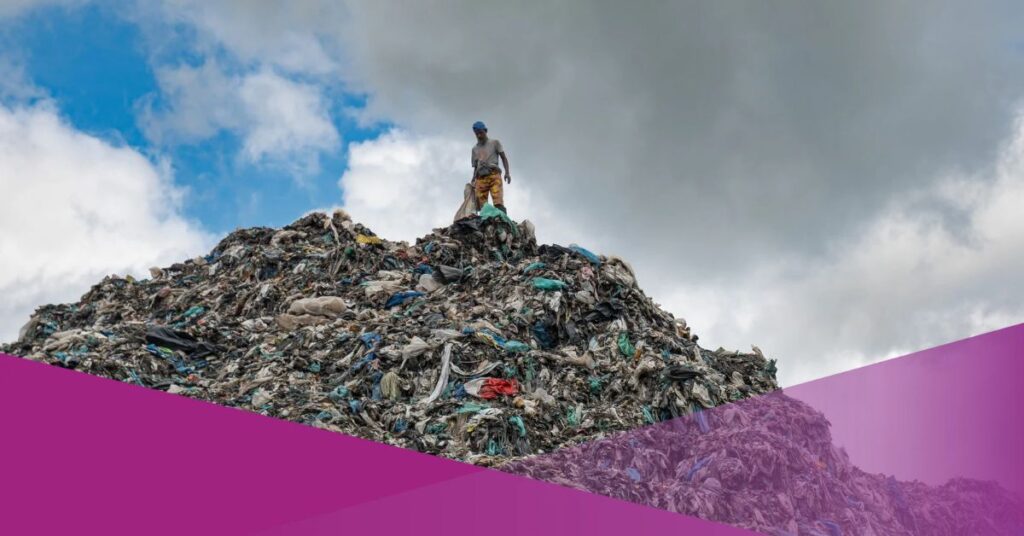
Jakarta Governor Pramono Anung has announced plans to build two to three waste-to-energy power plants (PLTSa) in the capital to address the city’s growing waste management problem. The proposed facilities are expected to process approximately 7,000 tonnes of waste daily, as Jakarta currently generates around 9,000 tonnes every day.
Pramono made the announcement on Monday, 2 November 2026, saying the projects would be developed in accordance with Presidential Regulation No. 109 issued by President Prabowo Subianto.
“Hopefully, Jakarta will have two or three waste-to-energy power plants built in the near future,” Pramono said.
Speaking at a press conference during the 46th CityNet Executive Committee meeting in Jakarta on Tuesday, 3 November, he also described waste management as one of the city’s major challenges that needs to be addressed.
“We all know that Jakarta produces 9,000 tonnes of waste every day, but we will soon begin construction based on Presidential Regulation No. 109 issued by the President of the Republic of Indonesia,” he said.
According to Pramono, the planned facilities will have a combined waste processing requirement of approximately 7,000 tonnes per day. He expects the projects to help balance Jakarta’s waste management capacity and reduce the amount of rubbish that needs to be transported to final disposal sites.
Jakarta Continues to Develop Waste Management Facilities
The proposed waste-to-energy plants will form part of a broader waste management strategy rather than serve as the city’s only solution. The Jakarta administration will continue operating the Refuse-Derived Fuel (RDF) facility in Rorotan while expanding waste sorting initiatives and community-based waste management programmes.
Pramono also highlighted the ongoing implementation of the 3R approach: reduce, reuse and recycle.
“We still have the Rorotan RDF facility, as well as several waste-sorting activities and the 3R programmes that we are actively promoting. Hopefully, the waste problem in Jakarta can be resolved soon,” he said.
The administration has also set a target to reduce the volume of waste transported to the Bantargebang Integrated Waste Processing Site (TPST). Pramono previously said he hoped Jakarta’s waste balance would reach at least an even level, or potentially become negative, by 2028 or 2029.
“Hopefully, by 2028 or 2029 at the latest, Jakarta’s waste balance will at least be equal, or perhaps even begin to turn negative,” he said on 27 October 2026.
He estimated that Bantargebang currently receives approximately 4,000 tonnes of waste daily, compared with the previous situation in which almost all of Jakarta’s rubbish was transported there.
“The most important thing is that Bantargebang now receives around 4,000 tonnes a day, whereas previously everything was taken there,” Pramono explained.
The city has also expanded its Reduce, Reuse and Recycle (TPS 3R) facilities following the issuance of Governor’s Instruction No. 5 of 2026. According to Pramono, Jakarta now has nearly 31 such facilities.
“Previously, we had not developed TPS 3R facilities on a large scale. Now, facilities that used to process around 10 tonnes can handle an average of 50 tonnes and so on,” he said.
Through the development of waste-to-energy plants, the continued operation of RDF Rorotan and the expansion of TPS 3R facilities, the Jakarta administration aims to reduce its reliance on landfill disposal and improve the city’s overall waste management capacity.