Mount Rinjani is one of Indonesia’s most spectacular trekking destinations, attracting adventure seekers from around the world.
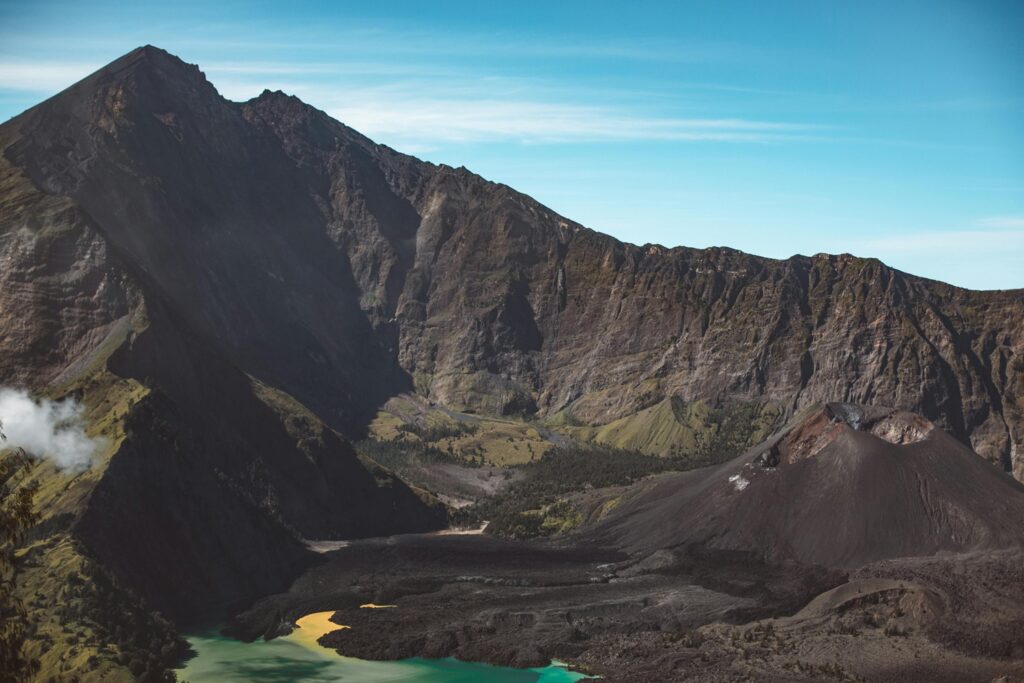
Located on the island of Lombok, West Nusa Tenggara, the active volcano offers breathtaking views of its crater lake, dramatic mountain landscapes and surrounding islands.
Standing at approximately 3,726 metres above sea level, Mount Rinjani is also one of the most challenging mountains to climb in Indonesia. Its steep trails, changing weather conditions and remote terrain make proper preparation essential for anyone planning to reach its summit.
For tourists and expatriates living in Indonesia, preparing for a Rinjani trekking adventure involves more than booking a tour and packing hiking equipment. Understanding the available trekking insurance options is an important part of planning a safe journey.
Here’s what you need to know about Mount Rinjani trekking insurance before setting off on your adventure.
Why Is Trekking Insurance Important for Mount Rinjani?
Mount Rinjani offers an unforgettable experience, but hiking at high altitude comes with inherent risks. Trekkers may encounter exhaustion, injuries, sudden weather changes or altitude-related health problems.
The mountain’s remote location can also make emergency assistance more complicated. Depending on the location and severity of an incident, rescuing an injured trekker may require a coordinated response involving mountain guides, park personnel and medical teams.
In some situations, evacuation by helicopter may be necessary. However, this type of rescue depends on weather conditions, accessibility and the nature of the emergency.
Having appropriate insurance can help reduce the financial burden of unexpected medical treatment and evacuation expenses.
For international visitors, it is particularly important to check whether their existing travel insurance covers high-altitude trekking in Indonesia. Some policies exclude mountain climbing or require travellers to declare adventure activities before purchasing cover.
According to Rinjani Indonesia’s trekking insurance guide, hikers should check that their policy covers trekking at elevations above 3,000 metres, emergency medical evacuation and activities in volcanic terrain.
Understanding Mount Rinjani Trekking Insurance
Mount Rinjani National Park (TNGR) has introduced insurance arrangements for visitors entering the trekking area. However, the type and extent of protection available can vary depending on the insurance product and the visitor’s existing coverage.
In 2026, a premium trekking insurance option was introduced, offering additional protection that includes emergency helicopter evacuation.
The following are the main insurance options to understand before your trek.
1. Basic Trekking Insurance
Basic trekking insurance provides a level of protection for visitors entering the national park.
According to Rinjani Trekking Center, the basic insurance benefits include:
- Accidental death compensation of up to IDR 30 million
- Non-accidental death compensation of up to IDR 15 million
- Permanent disability compensation of up to IDR 30 million
- Medical treatment expenses of up to IDR 4 million
- Evacuation assistance of up to IDR 10 million
The basic insurance is described as part of the official trekking registration process. However, its coverage limits are relatively modest, particularly for emergencies involving serious injuries or complicated rescue operations.
For international visitors, this is an important distinction. Basic insurance may provide some financial protection, but it should not automatically be considered a replacement for comprehensive travel insurance.
2. Premium Trekking Insurance
The premium trekking insurance option introduced in March 2026 provides additional protection for hikers.
Rinjani Indonesia’s insurance comparison guide lists the premium insurance at IDR 290,000 per person per trek.
The listed benefits include:
- Emergency helicopter evacuation of up to IDR 260 million
- Accidental death compensation of up to IDR 300 million
- Medical treatment expenses of up to IDR 20 million
- Permanent disability compensation of up to IDR 50 million
- Repatriation assistance of up to IDR 10 million
- Search and rescue (SAR) protection
These benefits are intended to provide greater financial protection for trekkers, particularly in emergencies requiring specialised evacuation.
However, the maximum benefit amounts do not mean that every incident will qualify for the full payment. Insurance claims remain subject to the policy’s terms, conditions and eligibility requirements.
Hikers should also confirm the applicable insurance arrangements when booking, as the national park’s official registration requirements and insurance products may change.
What to Know About Emergency Helicopter Evacuation
One of the most significant benefits of premium trekking insurance is its provision for emergency helicopter evacuation.
Mount Rinjani’s steep slopes and remote trails can make ground evacuation difficult. In certain situations, transporting an injured trekker to a medical facility may take considerable time.
Lihat postingan ini di Instagram
According to Rinjani Indonesia’s insurance guide, helicopter evacuation coverage can reach IDR 260 million, depending on the type of rescue operation.
However, helicopter evacuation is not necessarily available for every injury or medical complaint.
The guide states that helicopter evacuation is intended for verified medical emergencies and requires approval from a certified physician.
Conditions listed as potentially eligible include:
- Severe fractures
- Head injuries
- Hypothermia or frostbite
- Loss of consciousness
- Other life-threatening medical emergencies
Weather conditions, terrain and operational limitations may also affect whether a helicopter can reach the affected location.
It is important to remember that insurance coverage does not guarantee immediate rescue. Emergency response depends on the circumstances and the availability of appropriate resources.