Indonesia is widely known for its rich culinary heritage, shaped by centuries of cultural exchange and an abundance of local spices. While Indonesian food often receives international recognition, the country’s traditional beverages also play an important role in its culinary identity.
In its updated rankings published on 29 May 2026, TasteAtlas highlighted several traditional Indonesian drinks that have gained popularity among the global culinary community. The list includes a variety of beverages, ranging from premium coffee and herbal drinks to refreshing soft drinks and traditional fermented beverages.
Each drink reflects a different aspect of Indonesia’s culture, history, and local traditions.
Indonesian Traditional Drinks Featured by TasteAtlas
Kopi Luwak

Kopi Luwak secured the highest position among the Indonesian beverages featured by TasteAtlas. Often regarded as one of the world’s most famous coffees, Kopi Luwak is produced using coffee beans that have passed through the digestive system of the Asian palm civet before being cleaned, roasted, and brewed.
Many coffee enthusiasts appreciate Kopi Luwak for its smooth flavour profile and distinctive character. TasteAtlas also highlights several well-known civet coffee producers from Sumatra, a region famous for its coffee plantations.
Despite its popularity, Kopi Luwak remains a topic of discussion within the international coffee industry. Concerns regarding animal welfare and sustainable production practices continue to be raised by coffee experts and consumers worldwide.
Ginseng Coffee
Another Indonesian beverage recognised by TasteAtlas is Ginseng Coffee. This drink combines traditional coffee with ginseng extract, creating a balance between the robust flavour of coffee and the herbal notes of ginseng.
According to TasteAtlas, one of the earliest commercial products that helped popularise this beverage originated in Indonesia in 1994. Today, Ginseng Coffee is commonly available as instant coffee and ready-to-drink products across various markets.
Soda Gembira
Soda Gembira is a colourful and refreshing beverage made from sweetened condensed milk, red syrup, and soda water.
The name translates roughly to “Happy Soda”, reflecting its bright appearance and sweet taste. The drink is particularly popular in parts of Java and Sumatra, where it is often served during celebrations, family gatherings, and festive occasions.
Its combination of creamy sweetness and sparkling soda creates a flavour that remains popular across generations.
Indonesian Herbal and Traditional Drinks
Jamu

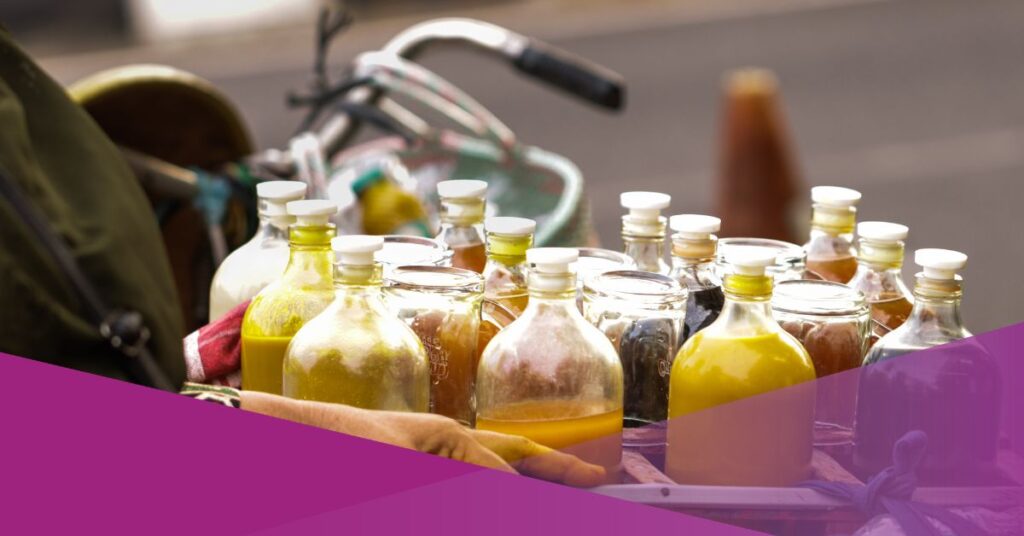
Jamu is one of Indonesia’s most important traditional herbal drinks and has been consumed for hundreds of years.
Made from natural ingredients such as turmeric, ginger, tamarind, galangal, and various roots and spices, jamu is deeply connected to Indonesian wellness traditions. Historically, it was prepared using recipes passed down through generations.
Today, jamu continues to evolve alongside modern consumer preferences. In addition to being sold by traditional street vendors, it is also available in powdered form, capsules, and bottled ready-to-drink products.
Wedang Jahe
Wedang Jahe, which literally means “ginger drink”, is a warm beverage commonly enjoyed throughout Java.
The drink is prepared by boiling fresh ginger with palm sugar and often includes additional spices such as cinnamon, cloves, or lemongrass. Its warming flavour makes it particularly popular during cooler weather and rainy seasons.
Beyond its taste, Wedang Jahe is valued by many Indonesians as a comforting traditional beverage that has long been part of everyday life.
Sekoteng
Sekoteng is another ginger-based drink that originated in Central Java, particularly in the cities of Solo and Semarang.
Unlike many other traditional beverages, Sekoteng is served with a variety of fillings, including peanuts, mung beans, sliced bread, and sago pearls. These ingredients add texture and make the drink more substantial.
The combination of warm ginger broth and sweet toppings has made Sekoteng a favourite evening snack and beverage in many parts of Indonesia.
Arak Bali
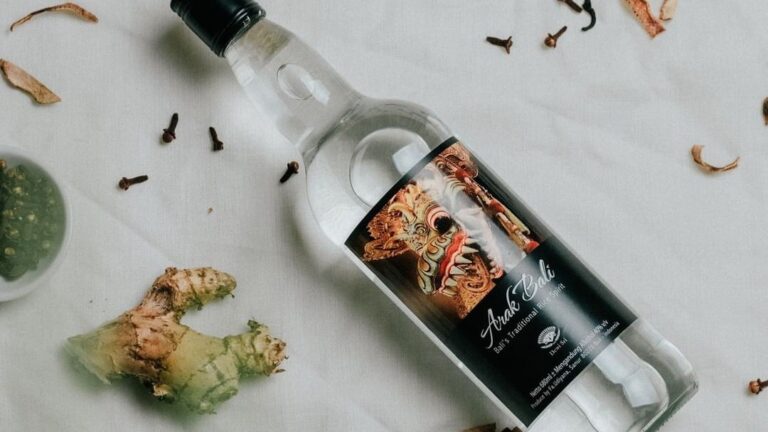
Arak Bali is a traditional fermented and distilled beverage produced primarily in Bali. It is commonly made from coconut sap, palm sap, or rice, depending on local production methods.
For generations, Arak Bali has been closely associated with Balinese culture and is often used in traditional ceremonies and community events. In recent years, the drink has gained greater recognition as a local product with significant cultural and economic value.
Efforts to promote Arak Bali have also contributed to increased awareness of Indonesia’s traditional beverage industry.
Indonesian Drinks Reflect a Rich Culinary Heritage
The TasteAtlas rankings demonstrate that Indonesia’s culinary diversity extends far beyond its food. Traditional Indonesian drinks showcase a wide range of flavours, ingredients, and cultural influences that have developed over centuries.
From the internationally recognised Kopi Luwak to herbal beverages such as Jamu and warming drinks like Wedang Jahe, each beverage tells a unique story about Indonesia’s history and traditions. Together, they highlight the richness of a culinary heritage that continues to attract attention both at home and abroad.
People Also Ask (PAA) About Indonesia Traditional Drink
What is the most famous traditional Indonesian drink?
Kopi Luwak is often considered the most famous traditional Indonesian drink internationally. It is known for its unique production process and distinctive flavour profile.
What is Jamu made from?
Jamu is the common and popular drink or beverage in Indonesia. Jamu is made from natural ingredients such as turmeric, ginger, tamarind, galangal, and various roots and spices. Different recipes are used for different purposes and regional traditions.
What is Arak Bali?
Arak Bali is a traditional alcoholic beverage from Bali, typically made from coconut sap, palm sap, or rice. It has long been used in Balinese cultural and religious ceremonies.
Find this article helpful? Check out other articles from Social Expat for more updates about Food & Drink in Indonesia!