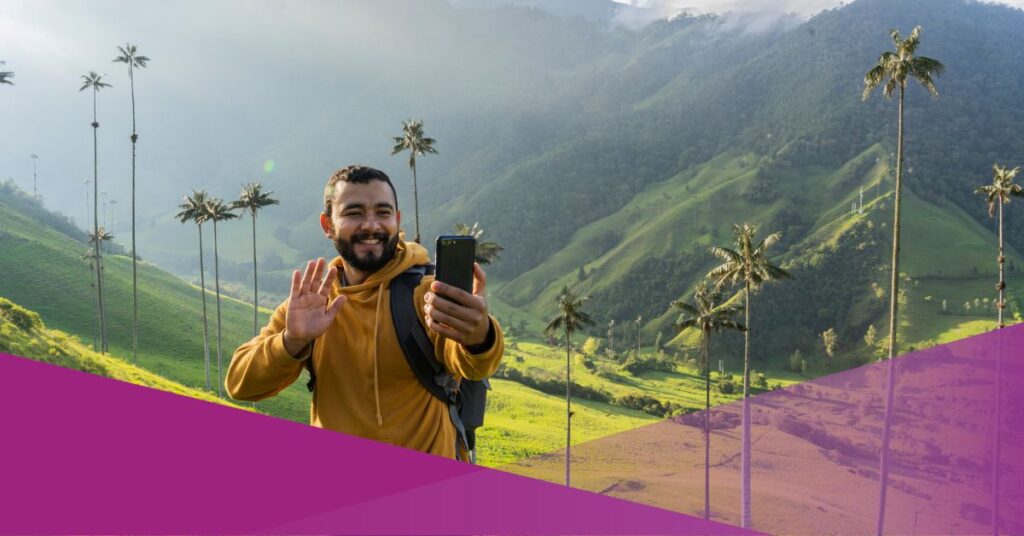
You arrived in Bali for “just a holiday.”
A few weeks later, you’re filming sunrise at Mount Batur, reviewing cafés in Canggu, collaborating with beach clubs, and posting reels that suddenly start reaching hundreds of thousands of people. Sound familiar?
Indonesia has quietly become one of the world’s biggest playgrounds for content creators. From travel vloggers and digital nomads to photographers, YouTubers, filmmakers, influencers, and entrepreneurs building personal brands, thousands of foreigners now call Indonesia both their home and their creative studio. But as the creator economy continues to grow, so do the rules.
What many expats don’t realise is that there’s a legal difference between sharing your holiday memories and producing professional content for brands, clients, or commercial platforms. Add Indonesia’s latest business licensing updates into the mix, and being a creator has become much more than simply carrying a camera around Bali.
Whether you’re planning to work with hotels, produce documentaries, collaborate with local businesses, or simply want to understand how Indonesia’s regulations affect creators, here’s what you need to know before hitting record.
Creating Content Isn’t Always Considered Tourism
Taking photos during your holiday?
No problem.
Producing paid content for a resort?
Filming a YouTube travel series?
Working with Indonesian brands on sponsored campaigns?
That’s a different story.
Indonesia’s immigration authorities distinguish between personal travel content and professional media activities. Once content creation becomes commercial, editorial, or intended for publication or promotional purposes, the visa you entered Indonesia with may no longer be appropriate.
The distinction has become increasingly important as Bali and other destinations continue attracting international creators from around the world.
Introducing The C5A Visa: Indonesia’s Visa for Professional Content Creators
While often referred to as the Journalist Visa, the Single Entry Visa (Index C5A) isn’t limited to traditional news reporters.
Today, it can also apply to:
- Influencers
- YouTubers
- Filmmakers
- Bloggers
- Professional photographers
- Videographers
- Travel hosts
- Digital media producers
- Social media personalities
If your visit involves producing content that will be commercially published, monetised, or created on behalf of a client or brand, this visa may be worth considering before travelling.
Who Should Consider It?
The C5A visa may be suitable if you’re visiting Indonesia to:
- Partner with hotels or tourism businesses
- Produce sponsored Instagram, TikTok or YouTube content
- Film documentaries or travel programmes
- Create commercial photography or video campaigns
- Interview local businesses or public figures
- Cover festivals, conferences or sporting events
- Produce editorial or media content for publication
In many situations, creators collaborating with tourism operators, restaurants, resorts, or brands may require more than a standard tourist visa.
Why the Right Visa Matters
Most creators don’t intentionally break immigration rules.
The issue usually comes from assuming that because the content looks like travel content, it’s automatically considered tourism.
From an immigration perspective, that’s not always the case.
Choosing the correct visa helps you:
- Stay compliant with Indonesian regulations
- Film with greater legal certainty
- Access events requiring media accreditation
- Work confidently with brands and local partners
- Reduce the risk of immigration issues during your stay
As Indonesia strengthens immigration supervision, understanding this distinction has become increasingly important.
Planning a Longer Production?
The C5A visa offers considerably more flexibility than many visitors realise.
It allows:
| Stay Period | Duration |
| Initial Stay | 60 days |
| First Extension | Additional 60 days |
| Second Extension | Additional 60 days |
| Maximum Stay | Up to 180 days |
That makes it suitable for creators producing long-term documentary projects, destination campaigns, or multi-month collaborations.
One thing to remember: it’s a single-entry visa, meaning you’ll need a new visa if you leave Indonesia before your project is complete.
Read more about the C5 Visa Indonesia here
About to Settle A Career in Indonesia?
Flash news: Being a Creator is Now Also Considered a Business
There’s another major change many international creators haven’t heard about.
Indonesia has officially begun recognising commercial content creators as businesses.
Following the introduction of KBLI 2025 and Minister of Trade Regulation No. 19 of 2026, creators earning income through digital content may now be required to register their business activities through Indonesia’s licensing system.
The regulation came into effect on 18 June 2026 as part of the government’s broader effort to organise Indonesia’s rapidly growing digital economy.
Read more about NIB for Content Creator here
Does Every Influencer Need to Register?
Not necessarily.
Simply posting travel photos doesn’t automatically mean you need a business licence.
Generally, registration becomes relevant when content creation is conducted commercially.
That includes creators who:
- Receive paid brand partnerships
- Earn YouTube or TikTok advertising revenue
- Produce sponsored content
- Offer influencer or creative services
- Manage creator businesses
- Generate recurring income through social media
For creators building a genuine business around their online presence, Indonesia increasingly expects that activity to be formally registered.
What Is an NIB?
If you’ve started earning money through content creation in Indonesia, you’ll probably come across something called an NIB (Nomor Induk Berusaha).
Think of it as your business’s official identity.
Issued through Indonesia’s Online Single Submission (OSS) platform, the NIB records information including:
- Business registration
- Tax identity
- Business classification (KBLI)
- Registered address
- Capital information
Depending on your activities, it can also support other administrative processes, including customs registration and employment reporting.
Digital Platforms Are Also Becoming Part of the Process
Indonesia’s latest regulations don’t only affect creators.
Digital platforms themselves are expected to play a larger role in ensuring commercial users comply with Indonesian regulations.
In the future, creators who operate commercially without completing the required registration could potentially encounter restrictions such as:
- Compliance notifications
- Suspension of shopping features
- Removal of monetisation tools
- Restrictions on commercial accounts
The objective isn’t to discourage creators, but to build a more transparent and accountable digital economy for businesses and consumers alike.
Connect with the right partner to streamline your path to become a Content Creator in Indonesia
Indonesia remains one of the most exciting places in the world to build a creative career. Every day, foreign creators introduce millions of viewers to hidden waterfalls, local cafés, traditional culture, luxury resorts, remote islands, and vibrant communities across the archipelago.
The opportunities are enormous.
So is the responsibility to understand the rules that come with operating professionally.
If your plans go beyond simply travelling and sharing personal memories, it’s worth taking a few moments to understand which visa and business structure best fit your activities before arriving.
For the latest updates on Indonesian immigration, creator visas, business registration, and digital business regulations, LMI Consultancy provides professional guidance for foreign content creators, entrepreneurs, and businesses looking to operate confidently and compliantly in Indonesia. Meanwhile, keep following Social Expat for the latest stories, community insights, and practical updates that help you make the most of life in Indonesia.