Indonesia’s Ministry of Tourism is looking to tap into the growing popularity of K-Pop by developing concert-based travel packages designed to attract more international visitors while encouraging them to explore destinations beyond the concert venue.
The initiative comes as Indonesia continues to strengthen its position as an international events destination, with large-scale concerts increasingly recognised as drivers of tourism, local spending, and global destination promotion.
According to Ministry of Tourism spokesperson Nia Niscaya, the ministry is ready to collaborate with tourism industry associations to create integrated travel experiences centred around major music events.
“The Ministry of Tourism is open to collaborating with travel agency industry associations, such as ASITA, AITTA, ASTINDO, and IINTOA, to develop music concert packages,” Nia said, as quoted by Antara on Wednesday, 22 July.
She explained that concert packages, particularly those built around K-Pop events, could become an effective way to attract more international travellers while encouraging domestic fans to enjoy world-class performances without travelling overseas.
Concert Tourism Could Deliver Economic Benefits Beyond the Stage
The ministry believes that internationally recognised concerts can generate significant economic value while showcasing Indonesia as a destination capable of hosting major entertainment events.
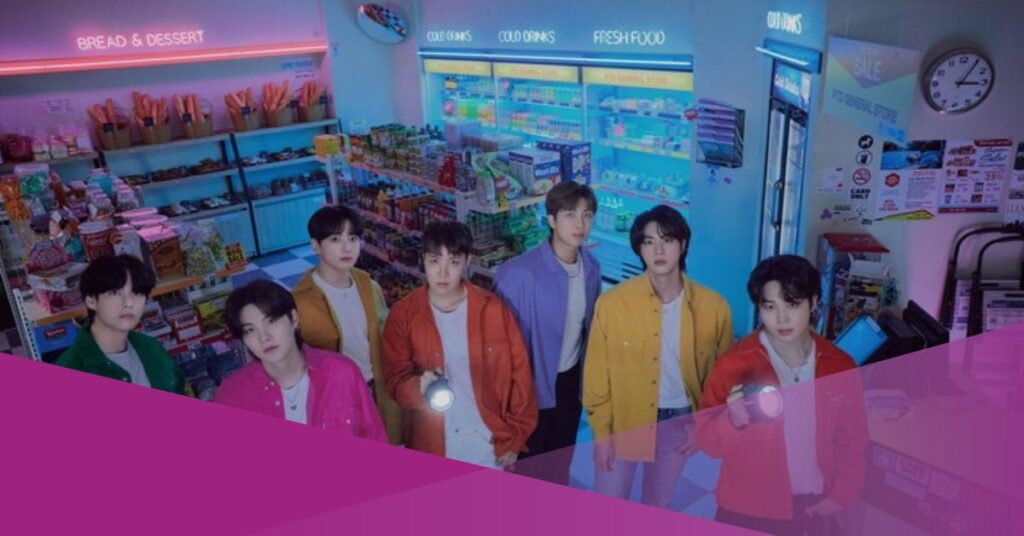
Using the upcoming BTS concert as an example, Nia said international music events can serve as tourism drivers with wide-ranging economic impacts. Besides attracting overseas visitors, concerts also help introduce Indonesian destinations to a global audience.
Another advantage is reducing tourism-related foreign exchange spending by Indonesians who would otherwise travel abroad to watch their favourite artists perform.
The BTS concert, scheduled for Saturday, 26 December, Sunday, 27 December, and Tuesday, 29 December 2026, is expected to attract around 18,000 international visitors. The Ministry estimates each visitor will spend an average of US$380.10, or approximately Rp6.7 million, during their stay.
“If calculated, the potential foreign exchange generated from the BTS concert is US$6.6 million, or Rp120.6 billion. This doesn’t include merchandise and F&B (food and beverage) purchases,” Nia said.
Beyond the direct spending by foreign tourists, thousands of concertgoers are also expected to contribute to the local economy through accommodation, transport, dining, shopping, mobile communication services, and souvenirs. Revenue generated from these activities would also contribute to government income through taxes and venue rental fees.
To maximise these opportunities, the Ministry plans to develop integrated concert tourism packages that combine event tickets with accommodation, transportation, and visits to nearby attractions. The goal is to encourage visitors to extend their stay rather than travelling solely for the concert.
By connecting entertainment with leisure travel, the ministry hopes visitors will have more opportunities to experience Indonesia’s culture, culinary scene, and tourist destinations, creating greater benefits for local businesses and communities.
Ministry Ready to Support International Concert Organisers
Alongside promoting concert tourism, the Ministry of Tourism says it will continue working closely with relevant stakeholders to support the organisation of international-scale events.
According to Nia, one of the ministry’s current roles is helping organisers navigate administrative requirements, particularly those related to event permits.
“Currently, the Ministry of Tourism’s role is to support the organisation of events by issuing recommendation letters/statements of support for international-scale events, as one of the mandatory documents required for crowd permit applications,” she explained.
As Indonesia continues to attract more global entertainment acts, the ministry hopes collaborations between government agencies, event organisers, and the tourism industry will help transform concerts into gateways for longer holidays, increased visitor spending, and stronger international exposure for Indonesian destinations.