Bali is one of Indonesia’s most popular destinations, attracting millions of international visitors every year. From its beaches and mountains to cultural attractions and vibrant cafés, the island offers something for every traveller. However, like many tropical destinations, Bali is also home to mosquito-borne diseases, including dengue fever.
Understanding dengue in Bali is essential for anyone planning a holiday, business trip, or long-term stay. Although most people recover fully with appropriate care, dengue can become serious if warning signs are ignored or treatment is delayed.
Why Dengue in Bali Should Not Be Ignored
Indonesia continues to report dengue cases every year because its warm temperatures and seasonal rainfall create ideal breeding conditions for mosquitoes. In Bali, especially during wet months, the mosquito population rises sharply.
According to data from Indonesia’s Ministry of Health covering 2018–2025, children remain among the most vulnerable groups to severe dengue infection. The 5–14 age group consistently records the highest proportion of dengue-related deaths compared with other age groups.
By 2025, 59% of dengue-related deaths occurred among children aged 0–14, while children aged 5–14 accounted for 41% of those fatalities. At the same time, adults aged 15–44 represented the largest proportion of reported dengue cases, accounting for approximately 42% of infections.
These figures show that dengue is not only a concern for children. Adults, including international visitors and expatriates, are also at risk, particularly when spending extended periods outdoors.
Dengue Fever Prevention for Bali Expat and Foreign Tourists
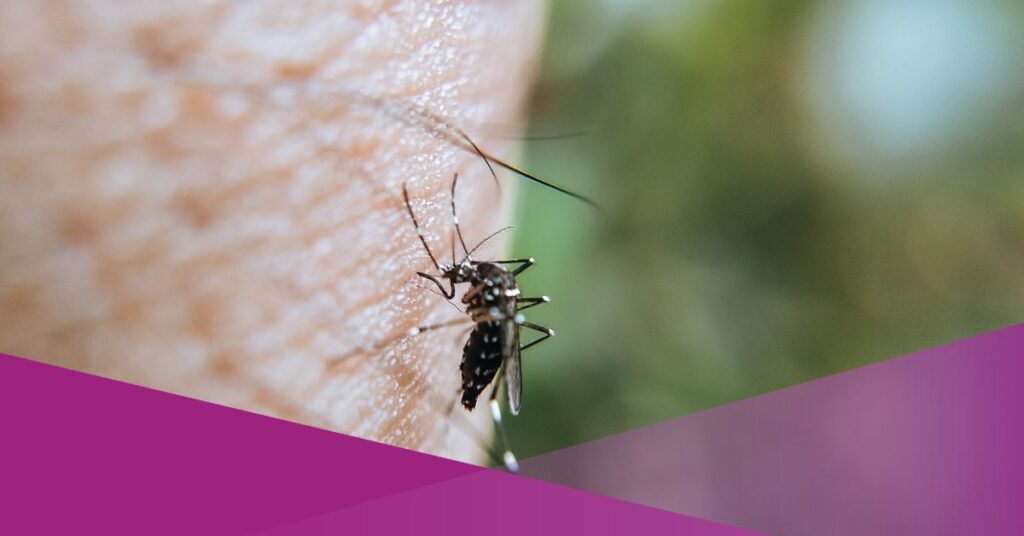
People catch Dengue in Bali after being bitten by female Aedes mosquitoes (mainly Aedes Aegypti). To combat transmission, the Indonesian government actively promotes the “3M Plus” initiative, a national campaign focused on eradicating mosquito nesting grounds. Travelers and expatriates can easily adapt these principles to protect their own living environments:
- Drain Stagnant Water: Aedes mosquitoes breed in clean, standing water. Ensure flower vases, empty glasses, pet bowls, and outdoor containers around your accommodation are emptied regularly.
- Cover Water Storage: Keep water tanks, buckets, and storage drums tightly sealed.
- Remove Debris: Proper waste management prevents rainwater from collecting in discarded items.
The “Plus” element of the strategy focuses on personal protection measures, which are essential for tourists in Bali.
Smart Clothing Choices
Pack light-colored, long-sleeved shirts and trousers. Mosquitoes are attracted to dark colors, so wearing lighter shades helps keep them at bay while keeping you cool in tropical temperatures.
Safe Accommodation Habits
Ensure your room has functioning air conditioning or properly fitted window screens. If staying in open-air villas or eco-lodges near rural zones like Ubud, always sleep under a mosquito net.
Effective Insect Repellents
Use mosquito repellent lotion containing active ingredients such as DEET or Picaridin to exposed skin. Avoiding mosquito bites is honestly your best defence. Applying repellent consistently to throughout the day provides a reliable shield against bites.
First Aid, Hydration, and Medical Management
If you or a family member develop a sudden high fever, muscle aches, or intense headaches, seek medical care is vital. Treating dengue in Bali relies primarily on careful monitoring and proper rehydration. To confirm dengue, doctors may order a blood test to detect the virus or antibodies.
For travelers experiencing fever, severe fatigue, body pain, or possible pain behind the eyes. Dengue Symptoms during their Bali trip, seeking evaluation from a doctor or professional health.
The dengue virus increases the permeability of blood vessels, causing blood plasma to leak into surrounding body tissues. This process lowers effective blood volume and can lead to a sudden drop in blood pressure, even if the patient shows no external signs of dehydration.
Treatment for dengue fever:
- Maximum Fluid Intake: Patients must drink plenty of fluids. Oral rehydration solutions, clear broths, and fresh coconut water are ideal choices. Fresh coconut water provides natural electrolytes that help restore fluid balance effectively.
- Monitoring Platelet Counts: Medical professionals track a patient’s platelet level closely through simple blood tests. A sharp fall in platelets indicates severe dengue, requiring immediate clinical observation.
- Medical Insurance Protection: Because recovery can take a week or longer, having comprehensive travel insurance that covers emergency hospital stays is essential. Private healthcare costs in tourist centers can accumulate quickly without proper coverage.
Finally, long-term visitors or frequent travelers should speak with a medical professional regarding the dengue vaccine prior to travel. Vaccination can offer an additional layer of protection against severe illness for those spending extended periods in endemic regions.
People Also Ask (PAA) About Bali Belly and Dengue
1. Is dengue fever in Bali, common?
Yes, dengue fever is endemic to Indonesia, including Bali. Especially in environments like Ubud with forests, rice fields, and humid weather. Cases occur throughout the year, with peak transmission typically aligned with the rainy season from November to April.
2. How do I know if I have dengue fever or Bali belly?
While Bali belly primarily symptoms like food poisoning causes gastrointestinal distress such as severe diarrhea, stomach cramps, and nausea, dengue fever is characterised by a sudden high fever, severe headache, joint and muscle pain, and occasionally a skin rash. If severe weakness or high fever persists, consult a healthcare provider for blood tests.
3. Is there a dengue vaccine available for travelers visiting Bali?
Yes, dengue vaccines exist and are approved in several countries, including Indonesia. Travelers planning extended stays in high-risk areas should consult a travel health practitioner several weeks before departure to discuss vaccination options.
4. Why should Aspirin be avoided during Dengue?
Medicine such as ibuprofen and Aspirin, should not be taken. These medications increase the risk of bleeding.