Food Poisoning in Indonesia: A Practical Guide for Expats
Food poisoning in Indonesia is one of the most common health concerns faced by expats adjusting to daily life. From casual street food stalls to home-cooked dishes and even organised meal programmes, the risk of contamination can vary depending on hygiene, storage, and food handling practices.
While Indonesia offers a rich and diverse culinary scene, expats need to understand how food poisoning cases occur and how to avoid them. This guide provides a comprehensive look at the causes, risks, and prevention strategies to help you enjoy every meal safely.
Understanding Food Poisoning in Indonesia
Food poisoning, also known as foodborne illness, happens when you eat food contaminated with bacteria, viruses, parasites, or toxins. Food poisoning in Indonesia usually occurs due to bacteria, viruses, or parasites contaminating food or water. Common causes include poor hygiene, improper storage, and undercooked ingredients.
The tropical climate plays a major role. Warm temperatures allow bacteria to multiply quickly, especially in dishes that are left at room temperature for too long. This is particularly relevant for rice based meals, which are a staple across the country.
What is Bali Belly?
Bali Belly is a term often used by foreign tourists to describe the stomach problems they experience whilst visiting Indonesia, particularly in Bali. One of the most common causes of Bali Belly is a bacterial infection, particularly Escherichia coli (E. coli), Salmonella and Campylobacter.

Although it may sound trivial or even amusing, this condition is actually a form of traveller’s diarrhoea that is quite common in various tropical destinations, especially in developing countries where sanitation standards differ from those in the tourists’ home countries.
Medically speaking, Bali Belly occurs as a result of an infection in the digestive tract caused by the consumption of food or drink contaminated with microorganisms such as bacteria, viruses, or parasites.
Differences in immune systems, eating habits, and adaptation to the local environment make foreign tourists more susceptible to this condition than the local population.
Common Scenarios that Happened to Expats in Indonesia
For example, an Australian tourist who has just arrived in Bali might try various local dishes on their first day, such as nasi campur, satay and spicy sambal. They might also order a cold drink with ice cubes at a small, busy warung.
That evening, they began to feel discomfort in their stomach. Initially, it was just bloating, but a few hours later it developed into quite intense stomach cramps. The following morning, they experienced repeated bouts of diarrhoea accompanied by nausea and a slight fever.
In such a situation, the most likely cause is a combination of bacteria from unhygienic food and the body’s reaction to spicy food to which it is not yet accustomed. If the traveller fails to maintain adequate fluid intake or continues to push themselves to carry out activities, their condition could deteriorate into dehydration.
Another example is a traveller from Europe who chose to stay in a villa with kitchen facilities. They bought fresh ingredients from a traditional market and prepared the meals themselves. However, unbeknownst to them, the vegetables used had not been washed with boiled water or mineral water. A few days later, they experienced symptoms of diarrhoea and vomiting. In this case, the source of the infection likely stemmed from bacterial contamination of the raw ingredients.
Why Are Expats in Indonesia More Vulnerable?
Local residents usually have a higher tolerance to certain microorganisms because they have been accustomed to them for a long time. Their immune systems have adapted to the surrounding environment. In contrast, foreign tourists come from environments with potentially stricter hygiene standards, so their bodies are not yet prepared to cope with exposure to new microorganisms.
Furthermore, habits such as drinking tap water in their home country also make travellers less vigilant when in another country. In fact, in Indonesia, tap water is generally not recommended for direct consumption without being boiled or filtered.
Common Causes Linked to Daily Meal Habits in Indonesia
1. Improper Storage of Food
Storage is one of the leading factors behind food poisoning in Indonesia. Many small eateries prepare food in advance and leave it exposed for hours. Without proper refrigeration, bacteria can grow rapidly.
Rice, in particular, is highly sensitive.
Cooked rice that is left at room temperature can develop harmful bacteria if not handled correctly. Expats should be cautious when consuming rice dishes that appear dry, cold, or reheated multiple times.
2. Contaminated Water and Ice
Water quality varies across regions. While bottled water is widely available, ice used in drinks may not always come from filtered sources. This can lead to cases of food poisoning, especially for newcomers whose digestive systems are not yet adapted.
3. Street Food Handling Practices
Street food is an essential part of Indonesian culture. However, hygiene standards can differ between vendors. Food that is not freshly cooked or handled with bare hands increases the risk of contamination.
This does not mean expats must avoid street food entirely, but awareness is key when choosing where to eat.
Symptoms Expats Should Watch After Consuming a Meal
Food poisoning symptoms can appear within hours or take up to a few days after consuming contaminated food. The most common signs include:
- Nausea and vomiting
- Diarrhoea
- Stomach cramps
- Fever
- Fatigue
In most cases, symptoms are mild and resolve on their own. However, severe dehydration or prolonged illness may require medical attention.
Expats who are new to Indonesia may experience stronger reactions, as their bodies are still adjusting to local bacteria and food conditions.
How to Safely Consume Street Food in Indonesia
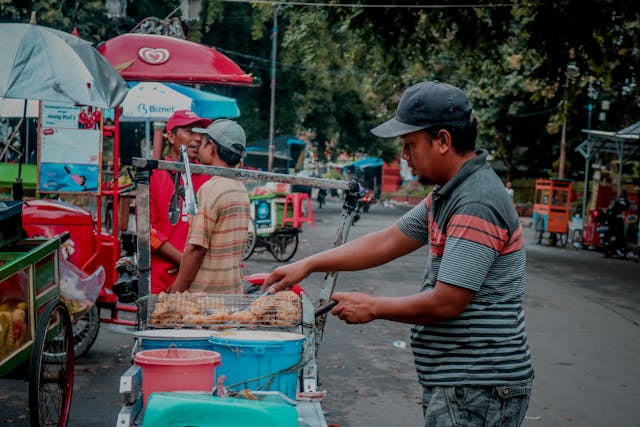
Street food is one of the highlights of living in Indonesia, and avoiding it entirely would mean missing out on local culture. Instead, expats should follow practical guidelines:
Choose restaurant with high turnover and busy queues
- Watch how the meal is prepared
- Avoid food that has been sitting out for long periods
- Opt for freshly cooked dishes served hot
- Check cleanliness of utensils and surroundings
By being selective, expats can enjoy street food while minimising the risk of food poisoning.
Health Tips for Expats Adjusting to Food in Indonesia
Adjusting to a new food environment takes time. Expats can strengthen their resilience by maintaining good hygiene and eating habits.
Drink bottled or filtered water, wash hands regularly, and introduce new foods gradually. Probiotics and a balanced diet may also help support digestion.
It is also wise to keep basic medication for food poisoning on hand, especially during the first few months of living in Indonesia.