Culture Shocks Foreigners Often Experience in Indonesia
Travelling to Indonesia often brings new experiences, including cultural differences that may feel unfamiliar at first. This adjustment, commonly known as culture shock, is a natural part of visiting or living in a new country.
Indonesia is known for its diversity and hospitality. However, aspects of daily life, public systems, and social behaviour may require time to understand. While many foreigners view the country positively, certain situations can present challenges during the adaptation process.
Here are some examples of culture shocks you could encounter in Indonesia.
Bureaucracy in Indonesia
Indonesia still struggles with bureaucratic red tape, which limits the potential for investment and slows down economic growth. This bureaucracy not only slows down daily chores but also makes it difficult for foreigners to get entry visas or employment permits for Indonesia. That’s why you need to find the best visa agency to help you like LetsMoveIndonesia.
A Nightmare Traffic
Your first encounter with culture shock in Indonesia is probably when you realize how awful the roads and traffic are. Moreover, the traffic would be extremely bad on weekends. No matter where in Indonesia you are (barring a remote island), the roads and traffic are generally terrible, especially Jakarta. According to Tom Tom Index Traffic, Jakarta places in 46 world rank for its congestion. We always love to tell foreigners to be careful with Indonesian bikers on the street. They can heavily speed in a kind of crowdy street and most of the riders are impatient.
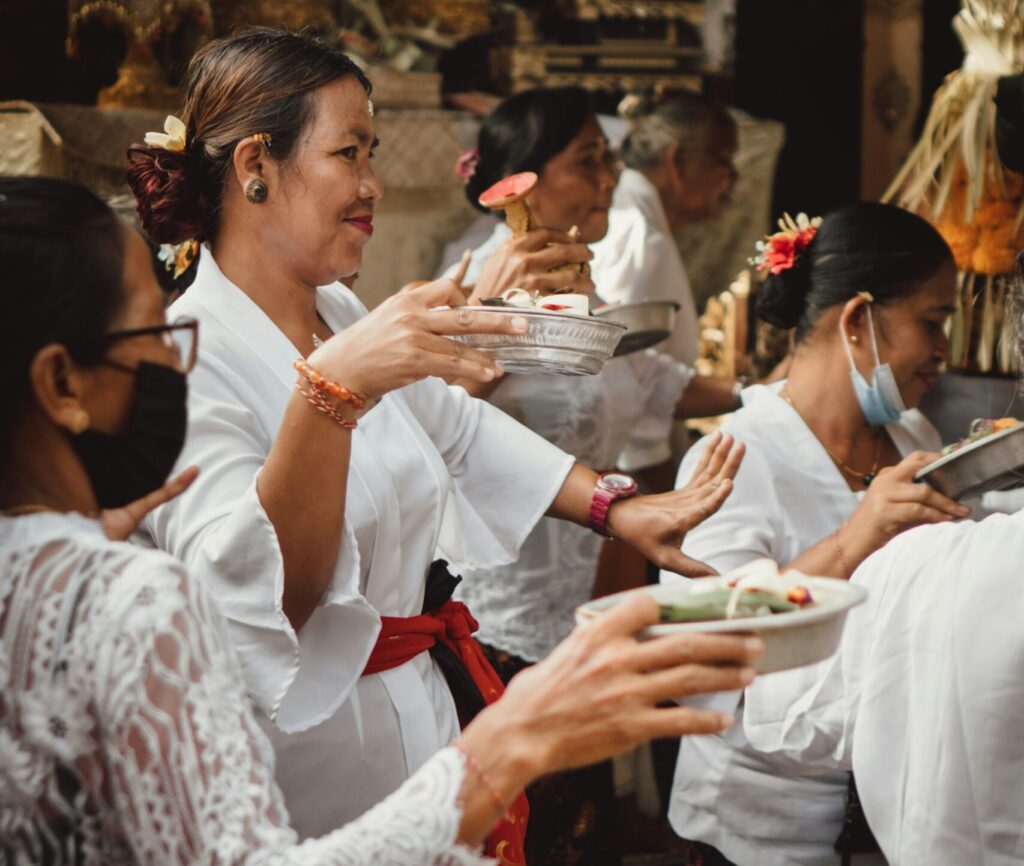
Pretty loud call for Islamic prayer 5 times a day
If you occasionally hear such an Arabic sound coming from a mosque’s loudspeaker (around every 4-5 hours), don’t take it personally. It is a call to prayer in Islam since the majority of Indonesians are Muslims, you’ll need to adjust to this. Even if you might be astonished, you don’t have to object to them. Just live your lives there and don’t be prejudiced.
Anything can become a paid job
You will see men that stand on the road in a narrow one-way, blow a whistle while standing on a one-way street will wave at passing vehicles to proceed or halt at a junction. You’re expected to give these people a tip. Sure, on some high-traffic roads these self-employed traffic wardens are helpful. More often than not, they’re not really. Additionally, there are those who serve as living parking meters. Some person will usually approach your car and cry “Left,” “Right,” or “Keep Going” when you attempt to park somewhere, be it a street or a parking lot. Then when you want to leave, you need to pay them a tip as well. You can check out another unique job in Indonesia here!
“Jam Karet” – Rubber Time
The concept of time can be flexible in Indonesian culture, to the point where the expression “jam karet” (rubber time) has gained notoriety here. That’s why making an appointment with someone in Indonesia is sometimes stressful. Meetings may be abruptly cancelled for expatriates, while local friends and colleagues may frequently be late. In general, Indonesians are unconcerned with the passing of time and would prefer to take additional time to get to know someone and develop a connection than to be late for a meeting.
Typical Spicy Foods
You will find that the majority of Indonesian cuisine is often spicy. If sambal appears on every menu you order at a restaurant, don’t be surprised. It’s a staple here. You should ask the waiter not to add any sauce or sambal if you don’t enjoy spicy food. But practically, you will discover that all Indonesian cuisine is great, nevertheless. Even internationally, there are several Indonesian dishes like rendang, ayam betutu, and nasi goreng that are highly well-liked.
Friendly and always smiling
Indonesians are renowned for their exceptionally friendly nature. Indeed, this extends even to visitors and tourists.
Indonesians are cheerful, kind, relaxed and helpful, even towards strangers or people they don’t know. Meanwhile, in some other countries, friendliness is not the norm. Some countries, particularly Western nations, are accustomed to a more aloof and individualistic attitude.
Consequently, the friendliness of Indonesians can sometimes come as a shock to foreign tourists, whilst leaving a warm impression on foreigners.
Bye Fork and Spoon
There may be times when you cannot use a fork or spoon to eat. Eating without utensils is one of the typical concepts in most Indonesian restaurants. If you come across these types of restaurants, don’t be surprised. You can experiment with eating food in new ways. We assure you that it tastes even better! We suggest you to read our article about Indonesia Etiquette here to know more about it.
People Also Ask (PAA)
1. What is culture shock Indonesia?
Culture shock Indonesia refers to the unfamiliar experiences foreigners face when adapting to Indonesian customs, lifestyle, and social norms.
2. Why do foreigners experience culture shock in Indonesia?
Differences in culture, language, food, and daily habits can create adjustment challenges for visitors.
3. Is traffic part of culture shock Indonesia?
Yes, traffic conditions in major cities are often one of the first challenges foreigners notice.
4. How do foreigners adapt to culture shock in Indonesia?
They adapt by learning local customs, being patient, and staying open to new experiences.
5. What is “jam karet” in Indonesia?
“Jam karet” means flexible time, where schedules are more relaxed and punctuality may vary.
Those are all the things that you might experience as a cultural shock in Indonesia. You only need to maintain your composure and avoid being anxious to handle the issue. Share this post if you find it useful for you or your friends. For more information about Indonesia, Jakarta, or Bali, don’t forget to check other articles!