
Indonesia’s rainy season often brings sudden shifts in temperature and humidity. For many expatriates who are still adjusting to the tropical climate, these seasonal changes can increase the likelihood of common illnesses such as colds, coughs, and flu-like symptoms.
While modern medicine remains widely available, many Indonesians also rely on traditional herbal remedies, known locally as jamu, to support their immune systems and relieve mild symptoms.
These remedies are made from herbs and spices commonly found in Indonesian kitchens and have been used for generations as part of daily wellness practices.
Traditional Indonesian Herbs Commonly Used for Flu Prevention
According to Dr. (Cand.) dr. Inggrid Tania, M.Si., Chairperson of the Indonesian Association of Traditional Medicine and Herbal Medicine Doctors (PDPOTJI), to Kompas.com, a variety of herbs and spices can help support the body’s natural defences during the rainy season.
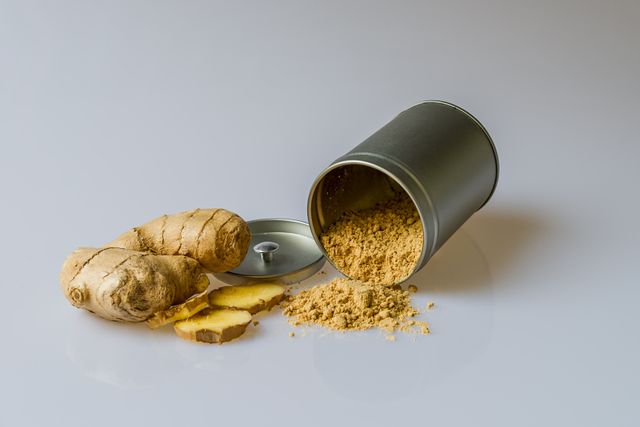
Some of the most commonly used ingredients include ginger, galangal, turmeric, and Javanese ginger (temulawak). Popular spices such as cinnamon, cloves, cardamom, and nutmeg are also frequently incorporated into traditional herbal drinks. In addition, everyday ingredients such as garlic and shallots are believed to contribute to overall wellness.
These herbs are traditionally consumed to help warm the body and relieve common flu-related symptoms, including chills, coughs, sore throats, nasal congestion, and general discomfort. Other plants, such as black cumin, gotu kola (pegagan), meniran, and noni fruit, are also widely used in Indonesia to support immunity and recovery during periods of illness.
Many of these ingredients can be brewed into simple herbal drinks at home. However, ready-made herbal products are also widely available in supermarkets, pharmacies, and convenience stores throughout Indonesia. When purchasing packaged herbal remedies, it is advisable to choose products that have been registered with Indonesia’s Food and Drug Monitoring Agency (BPOM).
Simple Ways to Incorporate Herbal Remedies into Your Routine
For expatriates interested in exploring traditional Indonesian wellness practices, herbal drinks can be an easy addition to a daily routine. Ginger and turmeric tea is one of the most accessible options, while combinations containing honey are particularly popular.

Honey is commonly used not only as a natural sweetener but also as an ingredient believed to soothe the throat and support general well-being. Many commercial herbal drinks combine honey with ginger, turmeric, galangal, or peppermint to create a more pleasant flavour.
Traditional herbal preparations are also often consumed during busy periods of work or travel, when fatigue may leave the body feeling more vulnerable to seasonal illnesses. A warm herbal drink can provide comfort and hydration while supporting overall wellness.
As with any supplement or herbal product, individuals with existing medical conditions or those taking prescription medications should consult a healthcare professional before introducing new remedies into their routine.