Discover five new exhibitions at Museum MACAN in Jakarta, featuring Tromarama, Eko Nugroho, Iwan Effendi, Libby Heaney and Mira Rizki, from 14 November 2026.
Museum MACAN will reopen its exhibition spaces on 14 November 2026, presenting five new art projects exploring the relationship between technology, political power, human creativity and the environment. The new exhibition season will run until 4 April 2027 at the museum in Kebon Jeruk, West Jakarta.
The programme features the first museum-scale exhibition in Indonesia by Bandung-based art collective Tromarama, alongside presentations by contemporary artists Eko Nugroho and Iwan Effendi. It also includes a new commission by British artist Libby Heaney, developed in partnership with the British Council, and an interactive installation by Mira Rizki for the Museum MACAN Children’s Art Space.
Together, the five projects examine the concept of agency: the ability to act, influence one’s surroundings and respond to circumstances. They consider how individual choices and perceptions are shaped by the tools, technologies, objects and social systems people encounter.
Museum MACAN Director Venus Lau said working with artists from different backgrounds provided an opportunity to explore these questions from multiple perspectives.
“Each artist approaches agency from a different place, and their questions sometimes intersect and sometimes pull against one another. We wanted to make room for those differences. At a time when it is increasingly unclear whether we are using our tools or being shaped by them, contemporary art may not provide answers, but it can help us look again at what we have come to accept as inevitable, including who, or what, gets to act,” Lau said.
Five Exhibitions Explore Technology, Politics and Human Relationships
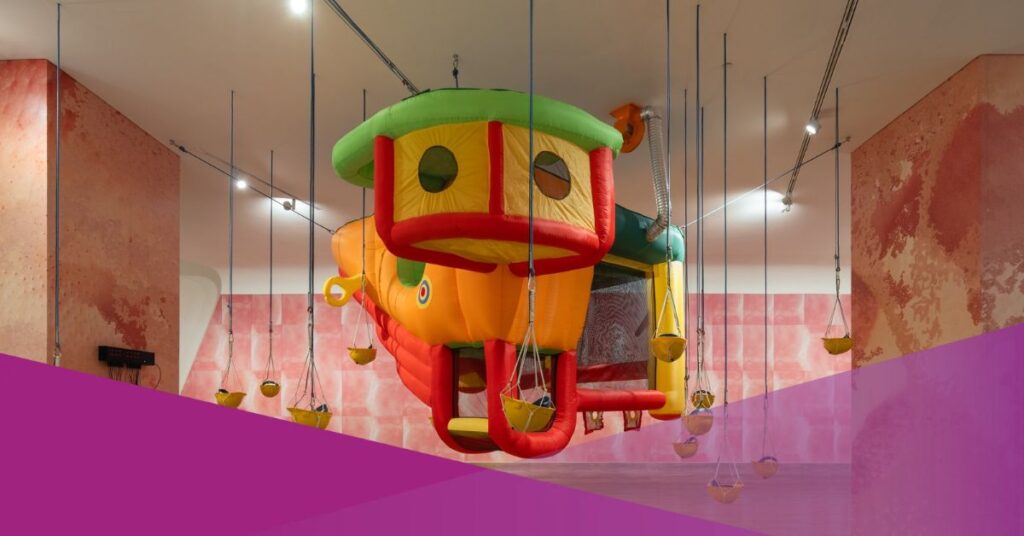
The exhibition season opens with Tromarama: Ketok Magic, marking 20 years of the collective’s artistic practice. Founded in Bandung in 2006 by Febie Babyrose, Herbert Hans and Ruddy Hatumena, Tromarama works across video, stop-motion animation, found objects, programming and installation.
The exhibition takes its title from a traditional Indonesian vehicle repair method in which the process remains largely hidden while the damaged surface is restored. Tromarama uses this idea as a metaphor for technology, examining how people adapt to digital systems while becoming increasingly dependent on tools they do not always understand.
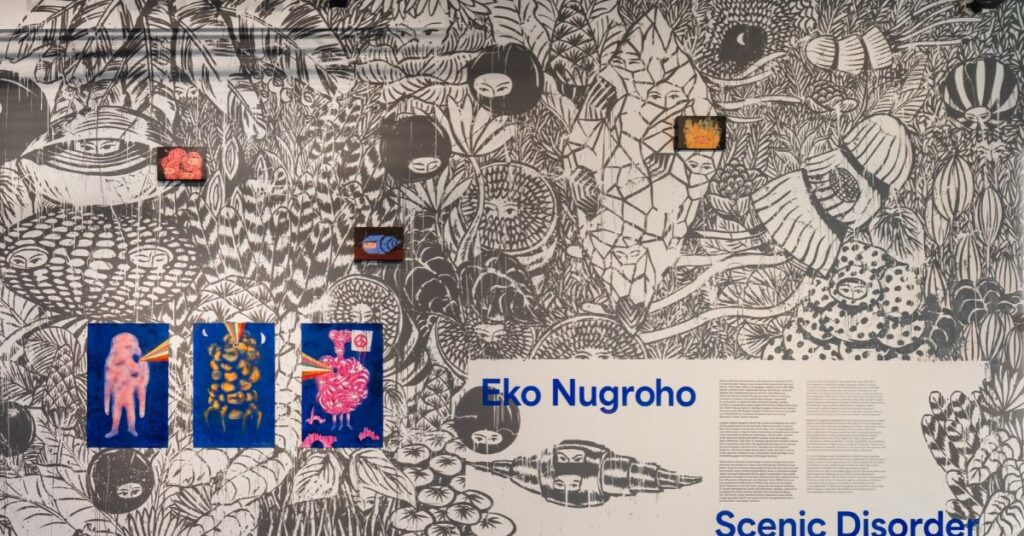
Meanwhile, Eko Nugroho: Scenic Disorder examines the relationship between democratic participation, political power and environmental damage. Combining traditional Indonesian crafts with street art and comic-inspired imagery, Nugroho presents new works responding to recurring forest and land fires in Indonesia.
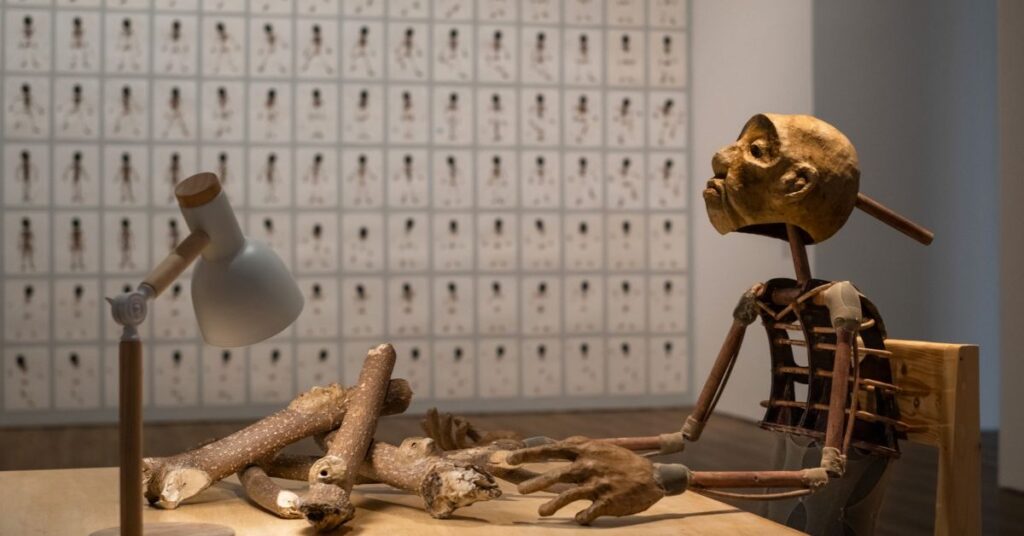
The third presentation, Iwan Effendi: Pulse for Pulse, explores the relationship between puppets, performers, audiences and the natural environment. Effendi, co-founder of Yogyakarta’s Papermoon Puppet Theatre, brings together works made between 2019 and 2026, including new pieces and previously exhibited works.
British Artist and Children’s Art Space Complete the Programme
The fourth project, Libby Heaney: Qave Qonsciousness, is part of the British Council’s Artist Innovation Commissions. Heaney, a London-based artist with a PhD in quantum physics, uses quantum computing as an artistic medium, combining it with artificial intelligence, virtual reality and moving images.
Developed following her field research in South Sulawesi’s Maros-Pangkep karst region, the commission connects prehistoric cave art with contemporary computational technology. The region is home to Leang Karampuang, where rock art dating back approximately 51,200 years has been identified.
Reflecting on her research, Heaney said, “When I visited the incredible prehistoric cave art in South Sulawesi I spent time sitting alone in Leang Tedongnge and felt a magical presence. I could feel that the caves are alive with layered histories and rituals. These inspired me to imagine a new type of collective consciousness where the caves, nature and humans become animate and aware together.”
The final project, Mira Rizki: Mawas Wawas, is presented through the Museum MACAN Children’s Art Space. The multidisciplinary artist explores sound, vibration and listening through an interactive installation designed to encourage visitors, particularly children, to engage with their surroundings.
Visitors can experience vibrations through a sand basin and observe the patterns created by sound. They can also leave marks on a Lempeng Jejak (trace plate), contributing to the evolving Lampion Singgah (passage lantern).
Museum MACAN’s new exhibition season opens to the public on 14 November 2026 and runs until 4 April 2027.