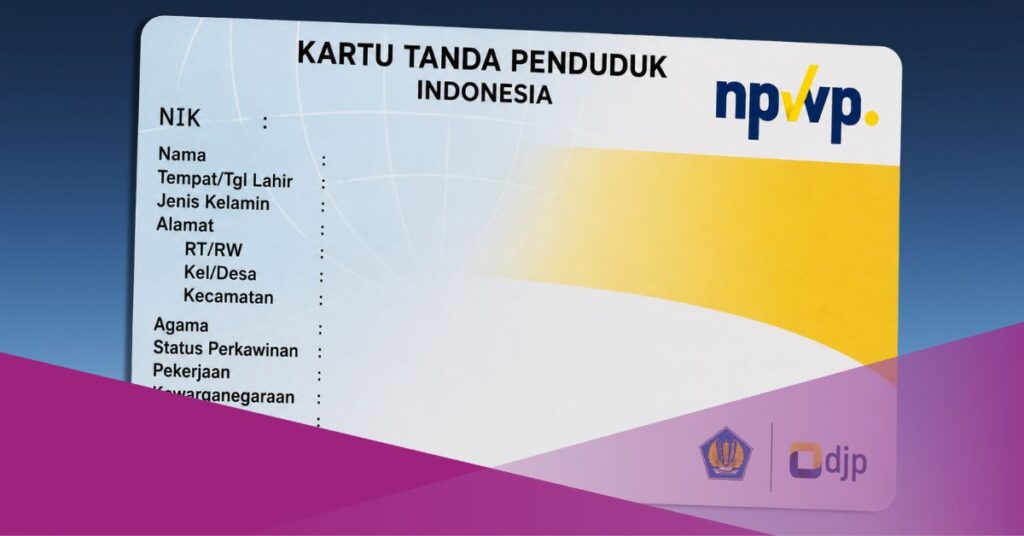
Indonesia’s tax authority is reminding taxpayers that an active NPWP still carries both rights and obligations. But for those whose circumstances have changed, whether they have stopped working, closed a business, or no longer meet the requirements to remain a taxpayer, the status should not be left active indefinitely.
Under Directorate General of Taxes Regulation PER-7/PJ/2025, taxpayers may apply to change their status to Wajib Pajak Nonaktif, or inactive taxpayer, when their actual tax condition no longer matches their registration status. The aim is straightforward: keep tax records accurate and avoid unnecessary administrative complications later on.
A recent report shared by Timenews.co.id, citing the Instagram account of pakarpajak, outlined several groups that may qualify for this change. For many taxpayers, the message is simple: if your income situation, work status, or residence status has changed, your NPWP should be reviewed too.
Who Can Apply for Non-Active Taxpayer Status?
The regulation applies to several categories of individual taxpayers in Indonesia.
Employees who are not currently working, have no income, or earn below the non-taxable income threshold (PTKP) may apply to deactivate their NPWP. This category also includes people who are not carrying on a business or independent profession.
Former entrepreneurs and freelancers are another group eligible for inactive status, provided they have fully stopped their business or freelance work and no longer receive income from those activities.
Married women who have chosen to combine their tax rights and obligations with their husband’s tax profile may also request inactive status. In such cases, the taxpayer’s identity through the NIK remains in place, but the tax rights and obligations follow the husband’s registration.
The rule also covers individuals whose tax residency has changed. Indonesians preparing to become Subjek Pajak Luar Negeri (SPLN), those who have already been recognised as SPLN, and others who no longer meet the subjective or objective requirements of a domestic taxpayer may all apply for the status update.
Companies and government bodies are not left out. Businesses that no longer meet taxpayer requirements, but still have an active NPWP or are in the process of deletion, may request inactive status. Government institutions that are no longer functioning as tax withholders or collectors may do the same if their NPWP has not yet been removed.
Why the Change Matters
Leaving an NPWP active when the taxpayer no longer meets the requirements can create future problems. An active registration may continue to attach tax duties to the holder, even when they no longer earn income or operate a business.
The new status mechanism is intended to keep Indonesia’s tax administration more precise and reduce the risk of later compliance issues. For taxpayers, that means less ambiguity. For the tax office, it means cleaner records and a clearer picture of who is still active in the system.
The rule is especially relevant for people who have changed jobs, stopped freelancing, moved overseas, or restructured their business activities.
What Taxpayers Should Do Next
Anyone who believes they may fall into one of these categories should review their current status and, where necessary, consider requesting inactive taxpayer status through the proper administrative channel.
The process is designed to match formal records with real-life circumstances. That matters not only for compliance, but also for avoiding unnecessary reporting obligations and the administrative friction that can follow if an NPWP remains active by mistake.
For expats, entrepreneurs, and taxpayers with cross-border income or residence changes, the issue can be more complex than it first appears. A quick review with a tax adviser can help determine whether a status update is appropriate.
Read the Full Article in LMI Consultancy
Tax status in Indonesia is closely tied to your work, income, and residency profile. If those change, your NPWP status may need to change too.
Read full article here
For more information on Indonesian tax compliance, immigration, and business updates, read the full article at LMI Consultancy. Our team provides guidance for individuals, expatriates, and businesses navigating Indonesia’s changing tax and regulatory landscape.