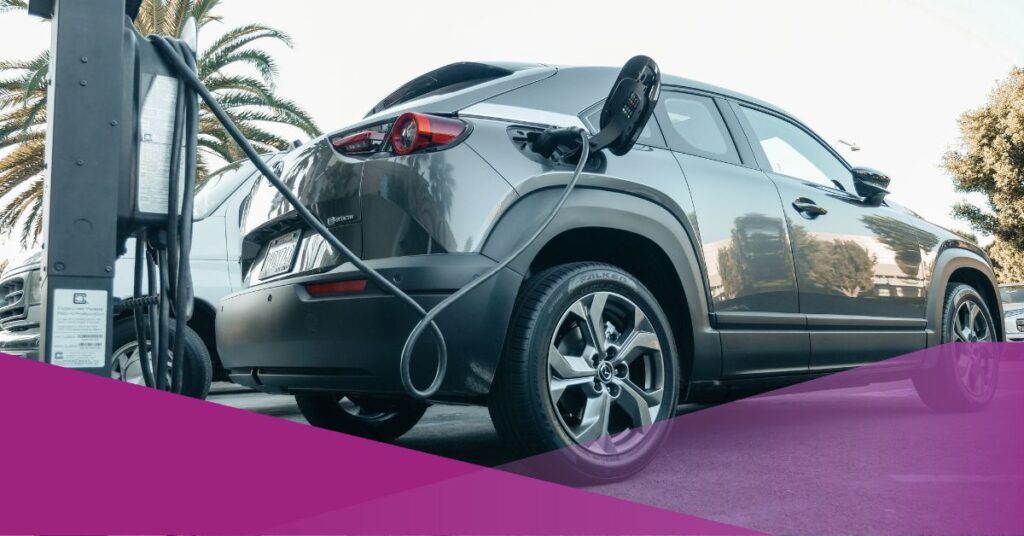
To hasten the growth of the country’s battery-based electric vehicle ecosystem, the Indonesian government will offer incentive tax, value-added tax (VAT) rebates of up to 10% this year on the purchase of electric cars and buses. On the 20th of March 2023, the introduction of the “Government Assistance Policy for Battery-Based Electric Vehicles,” Finance Minister Sri Mulyani Indrawati stated, “We are in the process of harmonising the final draught to issue the Finance Minister Regulation on the value-added tax (VAT) incentives for electric cars and buses.”
On the 17th of March, the Finance Ministry informed the House of Representatives (DPR) of the government’s intention to provide tax incentives. She stated that, following the criteria of the Industry Ministry, a 10% incentive tax would be given for electric vehicles and buses with a domestic component level (TKDN) of more than 40%.
Find more information on Indonesia incentive tax for e-car here
As a result, the minister stated that only 1% VAT would be applied to those products, as opposed to the Indonesian government’s 11% VAT rate, as the incentive tax. In addition, she added, a value-added tax (VAT) incentive will be provided to electric vehicles like automobiles and buses with TKDNs of twenty to forty percent.
She added that a regulation issued by the Industry Minister would outline the models and categories of cars that have complied with the TKDN standards. The Finance Ministry received budget distribution recommendations of incentive tax from the Industry Ministry and the Energy and Mineral Resources (ESDM) Ministry on the 16th and 28th of February, respectively, regarding the supply of tax incentives.
Later, according to Sri Mulyani, “the two ministries will prepare general principles and technical instructions [on the distribution of the tax incentives] as well as discuss the budget with the relevant commission [of the DPR].”
According to her, the tax incentives aim to speed up the country’s economic transformation, increase the investment attractiveness of the country’s battery-based electric vehicle industry, hasten the switch from fossil fuels to electricity, and raise public awareness of the benefits of using electric vehicles.
However, the tax incentive policy will only be exclusively implemented for this year, so the activation stamp will start from April 2023 through December 2023. On Monday, Indonesia’s Coordinating Minister of Maritime and Investment Affairs, Luhut Binsar Panjaitan, explained that this tax incentive programme would gradually be measured.
Interested about this topic? Check out our articles: