Indonesia continues to attract expatriates due to its relatively affordable cost of living, diverse lifestyle options, and growing economic opportunities.
However, the cost of living for expats in Indonesia in 2026 varies significantly depending on location, lifestyle, and housing choices.
For an Indonesia expat, understanding the full breakdown of expenses is essential before relocating. From accommodation and food to transport and lifestyle costs, this guide provides a comprehensive overview of expat living in Indonesia in 2026.
Overview of Expat Living Indonesia Costs in 2026
The cost of living in Indonesia differs widely between major cities such as Jakarta and Bali and smaller cities like Yogyakarta or Bandung. In general, expats tend to spend more than locals due to lifestyle preferences, housing standards, and access to international services.
In Jakarta, a single expat may spend between Rp10 million and Rp15 million per month for a comfortable lifestyle, while couples or families can spend significantly more depending on housing and schooling choices.

Public cost-of-living data from sources such as Numbeo – Cost of Living Index, suggests that a single person’s monthly expenses in Jakarta, excluding rent, are typically under USD 500 when living locally. So, it’s more cheaper than Singapore or other big cities in Southeast Asia.
Meanwhile, expats living in Bali or other popular destinations may spend between Rp20 million and Rp40 million monthly, particularly in areas with strong international communities.
Overall, expat living in Indonesia in 2026 can range from moderate to high, depending on lifestyle expectations.
Housing Costs for Indonesian Expat
Accommodation remains the largest expense for most expats in Indonesia. The cost varies depending on property type, location, and level of comfort.
In Jakarta, rental prices range widely. Budget accommodation, such as basic rooms or kost, may start from around Rp1.000,000 per month, while mid-range options typically cost between Rp1.5 million and Rp3 million.
Apartments are significantly more expensive, with studio units starting from around Rp5 million and larger units reaching Rp7 million or more.
For expats, however, the property market are often higher due to preferences for serviced apartments, condominiums, or houses in prime areas. In central districts such as SCBD or Kuningan, monthly living costs, including rent, can reach Rp10 million to Rp15 million for a single professional.
In Bali, villa rentals are common among expats. Monthly costs typically range between Rp10 million and Rp30 million, depending on location and amenities. While the rent for a single room is similar to that in Jakarta.
Housing costs in cities such as Bandung or Yogyakarta are generally lower, making them attractive options for budget-conscious expats.
Food and Daily Expenses in Expat Living in Indonesia
Food costs in Indonesia can be relatively affordable, although spending varies depending on whether expats eat local or international cuisine.
For those who cook at home, monthly grocery expenses can range from Rp1 million to Rp1.5 million. The imported groceries could cost more.
Eating at local warungs is also inexpensive, with meals costing around Rp20,000 to Rp30,000 per serving. Regular dining at local establishments may result in monthly food expenses of approximately Rp1.3 million to Rp2 million.
However, expats who prefer cafés or international restaurants may spend significantly more. A single meal in a mid-range restaurant can cost between Rp50,000 and Rp150,000, with higher-end dining reaching several hundred thousand rupiah per visit.
In major cities, lifestyle choices such as coffee consumption and dining out frequently can add between Rp500,000 and Rp1.2 million per month.
Overall, food costs for expats living in Indonesia are flexible and largely dependent on personal habits.
Transport Costs for Expat Indonesia
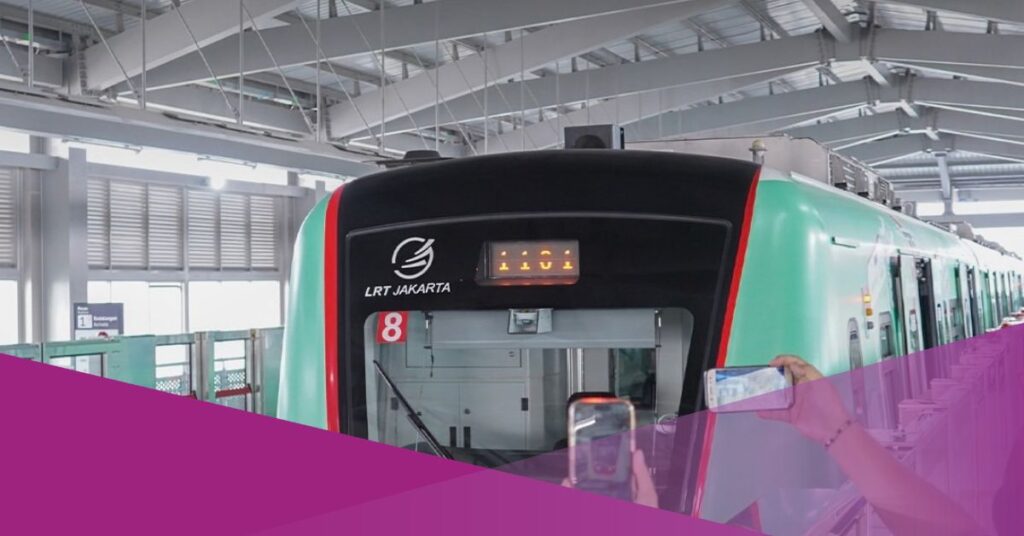
Transport expenses in Indonesia are relatively affordable compared to those in many Western countries. Major cities such as Jakarta offer a range of public transport options, including buses, MRT, LRT, and commuter trains.
Public transport fares are low, with bus tickets costing around Rp3,500 per trip and monthly transport expenses ranging from Rp150,000 to Rp500,000 depending on usage.
Ride-hailing services such as motorbike taxis are widely used by expats, with monthly costs ranging from Rp1 million to Rp2 million for regular use.
For those who choose private vehicles, costs increase significantly. Monthly expenses for a car, including fuel, maintenance, and insurance, can reach up to Rp4.8 million to Rp11.8 million.
In Bali and smaller cities, transport options are more limited, and many expats rely on scooters or private drivers.
Utilities and Internet Costs in Indonesia Expat Life

Utilities are generally affordable in Indonesia, but can vary depending on accommodation type and usage.
Electricity, water, and gas typically cost between Rp300,000 and Rp700,000 per month for standard usage.
Internet services can range from Rp300,000 to Rp1 million per month, depending on speed and provider.
In many serviced apartments or expat housing, some utilities may already be included in the rental price, which can simplify budgeting.
Lifestyle and Entertainment Costs
Lifestyle spending is one of the most variable aspects of expat living in Indonesia. Costs depend heavily on personal preferences, social activities, and frequency of travel.
Cinema tickets typically cost between Rp50,000 and Rp75,000, while café visits can range from Rp50,000 to Rp150,000 per outing.
For expats who frequently socialise, dine out, or travel, monthly entertainment expenses can increase significantly. Activities such as gym memberships, nightlife, and weekend trips can add several million rupiah to monthly spending.
Shopping habits also play a role. Spending on clothing and lifestyle products can range from Rp500,000 to Rp2 million per month, depending on preferences.
Costs of International Schools in Jakarta

Jakarta Intercultural School (JIS)
One of the most well-established international schools in Indonesia, JIS offers IB and AP programmes and is accredited internationally.
Fees (approximate):
Half-day preschool: around IDR 261 million (entry cost)
Full-day preschool: around IDR 337.8 million
Kindergarten total: around IDR 455.9 million
Additional costs may include EAL support (around IDR 65 million) and optional student activities.
Australian Independent School (AIS)
AIS combines the Australian Curriculum with the International Baccalaureate (IB) Diploma for senior students.
Fees (approximate):
Preschool: IDR 123.3 million – 160.5 million per year
Primary (Year 1): from IDR 323.3 million per year
Secondary (Years 7–10): from IDR 378.2 million per year
Additional fees include registration, deposits, capital fees, and support services.
Cost Comparison Across Cities for Expat Living in Indonesia
The cost of living varies significantly across Indonesia’s major cities and it’s also depend on many factor.
- Jakarta: The most expensive city. The cost of living in Jakarta ranging from Rp10 million to Rp35 million or more, depending on lifestyle.
- Bali: Comparable to Jakarta for expats, particularly in tourist areas, with monthly costs between Rp20 million and Rp40 million.
- Surabaya: More affordable, with expat living costs between Rp15 million and Rp28 million.
- Bandung: Lower cost city, ranging from Rp12 million to Rp25 million for expats.
- Yogyakarta: One of the most affordable options, with average cost of living between Rp10 million and Rp22 million.
These differences highlight the importance of location when expat want to live comfortably in Indonesia.
Why Expats Choose Indonesia Despite Costs
Despite rising living costs in certain areas, Indonesia remains attractive to expatriates for several reasons. The country offers a relatively low cost of living compared to many Western nations, especially when balanced against the quality of life.
Expats benefit from affordable domestic help, accessible services, and a wide range of lifestyle options. In addition, Indonesia’s climate, culture, and natural environment contribute to its appeal.
Many expats also highlight the ability to maintain a comfortable lifestyle at a lower cost than in major global cities, even when living in premium areas.
People Also Ask (PAA) About Cost of Living in Indonesia for Expats 2026:
1. How much budget does expat living in Indonesia cost per month in 2026?
The cost of expat living in Indonesia in 2026 typically ranges between Rp10 million and Rp40 million per month. A single Indonesian expat in Jakarta may spend around Rp10–15 million for a moderate lifestyle, while those in Bali or premium areas may spend Rp20–40 million, depending on housing and lifestyle choices.
2. Is Indonesia expensive for expats compared to other countries?
Indonesia is generally considered affordable for expats compared to Western countries. While expat lifestyles in Indonesia can become expensive in cities like Jakarta and Bali, daily expenses such as food, transport, and domestic services remain relatively low, making overall expat living in Indonesia more cost-effective.
3. What is the biggest expense for an Indonesia expat?
Housing is the largest expense for most Indonesia expat residents. Rent for apartments or villas can range from Rp4 million to over Rp30 million per month, depending on location and property type, making it the most significant factor in expat living Indonesia budgets.
4. How much do expats spend on food in Indonesia?
Food costs in Indonesia vary widely. An Indonesia expat who eats local food may spend around Rp1–2 million per month, while those who frequently dine at international restaurants or cafés may spend significantly more, depending on lifestyle preferences.
5. Which city is the cheapest for expat living Indonesia?
Yogyakarta is often considered one of the most affordable cities for expat living in Indonesia. Compared to Jakarta or Bali, living costs are significantly lower, including rent, food, and daily expenses, making it ideal for budget-conscious expatriate Indonesian residents.