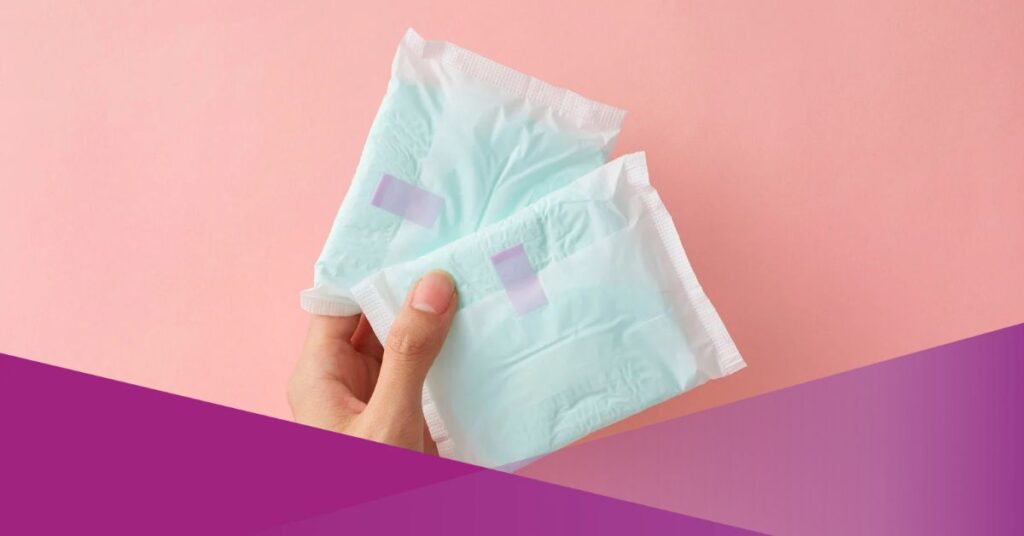
Menstrual products are essential for millions of people, yet their affordability remains a concern in many countries. From sanitary pads to tampons, these products are part of the recurring cost of menstruation. However, the tax policies applied to them vary significantly across the world.
In Indonesia, the period tax debate has returned to the spotlight after the Directorate General of Taxes (DJP) confirmed that sanitary pads remain subject to Value Added Tax (VAT), with an effective rate of 11%. The clarification has prompted renewed calls for the government to reconsider the taxation of menstrual products, particularly as other countries have introduced tax reductions, exemptions and free distribution programmes.
The discussion goes beyond taxation. It also raises questions about gender equity, access to essential healthcare products and the financial burden associated with menstruation.
What Is the Period Tax and Why Is It Controversial?
The period tax, commonly known as the tampon tax, refers to the tax imposed on menstrual products such as sanitary pads, tampons and menstrual cups.
Although the term suggests a specific tax on menstruation, it generally refers to the sales tax or value-added tax applied to these products as consumer goods. The controversy centres on whether menstrual products should be taxed at the same rate as other goods or receive special treatment because they are essential for menstrual health.
Why Is the Tampon Tax a Gender Equity Issue?
Menstruation is a biological process that requires regular access to suitable hygiene products. Unlike many consumer purchases, menstrual products are not optional for people who menstruate and rely on them to manage their periods.
The recurring cost can become a financial burden, particularly for people from low-income households. When products are unaffordable, some may reduce how frequently they change sanitary pads or resort to unsuitable alternatives.
This can also affect education and employment. Students who cannot access menstrual products may miss school, while workers may experience difficulties managing their periods in the workplace.
For this reason, advocates argue that reducing or eliminating the tampon tax can support gender equity by addressing a recurring expense that disproportionately affects people who menstruate.
The debate is also connected to human rights. Access to menstrual products is increasingly discussed alongside the right to health, dignity, education and equal participation in society.
However, removing the tax alone does not automatically guarantee affordability. Product prices, household income, distribution and access to appropriate facilities also play a role.
Period Tax in Indonesia: Why Are Sanitary Pads Still Taxed?
The period tax debate gained attention in Indonesia in late October 2026 after the DJP clarified the tax treatment of sanitary pads sold in the country.
According to the DJP, sanitary pads are classified as taxable goods, or Barang Kena Pajak (BKP), and have not been included in the categories eligible for VAT exemption.
The clarification followed public complaints on social media about the taxation of menstrual products, which are considered essential for women.
How Much Is the Tax on Sanitary Pads in Indonesia?
Under Minister of Finance Regulation No. 131 of 2024, non-luxury taxable goods are subject to a nominal VAT rate of 12%, calculated using a tax base of 11/12 of the selling price.
This mechanism results in an effective VAT burden of 11% of the selling price.
For example, if a pack of sanitary pads costs Rp20,000 before VAT, the calculation is as follows:
- Selling price: Rp20,000
- Taxable base: Rp18,333.33
- VAT at 12%: Rp2,200
- Total price after VAT: Rp22,200
The DJP has explained that the tax is not specifically imposed on women or menstruation. Instead, it follows the general taxation rules for consumer goods.
However, the distinction between a tax that is legally neutral and one that has different economic effects remains central to the debate.
Why Has the Government Not Granted a VAT Exemption?
According to the DJP, VAT exemptions are provided to specific categories of goods established under applicable legislation.
Government Regulation No. 49 of 2022 outlines certain essential goods that receive VAT exemptions. These include rice, grain, corn, sago, soybeans, salt, meat, eggs, milk, fruit and vegetables.
Sanitary pads are not included in the list.
The DJP has also stated that no formal study has been submitted to the government proposing a VAT exemption for sanitary pads.
The authority said that any discussion about the tax treatment of sanitary pads and other menstrual products should consider their characteristics, applicable taxation rules and broader social impact.
The clarification does not mean that the government has introduced a new tax on sanitary pads in October 2026. Rather, it confirms the existing tax treatment of these products.
Why Are Calls to Remove the Period Tax Growing in Indonesia?
The debate has also attracted attention from economists and public policy experts.
Achmad Nur Hidayat, an economist and public policy expert at UPN Veteran Jakarta, argued that the issue goes beyond whether the tax complies with existing regulations.
He said that the same tax rate can create different social burdens for people with different economic circumstances and needs.
Since menstruation is a recurring biological process, demand for menstrual products is relatively inelastic. People cannot simply stop menstruating when prices increase.
Some may instead reduce how frequently they change sanitary pads, choose products that are less suitable for their needs or sacrifice spending on other essentials.
Achmad has called for VAT on sanitary pads to be reduced to zero, arguing that unavoidable biological needs should not be treated in the same way as discretionary consumption.
The discussion highlights a broader policy question: should menstrual products be recognised as essential goods and receive special tax treatment?
Tampon Tax Across the World: How Countries Are Changing Their Policies
Indonesia is not the only country debating the taxation of menstrual products.
Across the world, governments have adopted different approaches to reducing the cost of menstruation. Some have removed sales tax, others have introduced reduced VAT rates, while several have established programmes providing free menstrual products in schools and public facilities.
These policies reflect growing recognition that menstrual health is connected to affordability, education and gender equity.
India: Removing the Tax on Menstrual Products
India provides an example of a country that has removed the tax on sanitary products.
Sanitary napkins were previously subject to a 12% Goods and Services Tax (GST). In July 2018, the government exempted sanitary napkins from GST.
The decision followed public campaigns calling for menstrual products to be recognised as essential goods rather than taxable consumer items.
However, removing the tax does not necessarily eliminate all affordability barriers. Manufacturing costs, distribution and household income can still influence the price of sanitary products.
India has also introduced measures to improve access to menstrual products in schools. In 2026, the country’s Supreme Court directed states and union territories to ensure that schools provide biodegradable sanitary napkins free of charge to adolescent girls.
The ruling also addressed the availability of functional, hygienic and separate toilets for boys and girls.
Kenya: Free Sanitary Pads for Schoolgirls
Kenya has taken a different approach by focusing on access to menstrual products in education.
The country strengthened its commitment to providing free sanitary pads to schoolgirls through amendments to its education legislation.
The policy requires the government to provide adequate quantities of quality sanitary pads to girls enrolled in schools. It also includes provisions for safe and environmentally responsible disposal.
The initiative aims to reduce the financial barriers that prevent students from managing menstruation comfortably.
By providing menstrual products in schools, Kenya seeks to address period poverty and reduce the risk of students missing classes because they cannot afford sanitary pads.
Australia: Free Period Products in Schools
Australia has introduced programmes to improve access to menstrual products in schools.
In 2018, the government announced plans to provide free sanitary pads and tampons in public schools.
Victoria became one of the first states to implement the initiative on a broad scale in 2020. The programme aimed to ensure that students could access menstrual products without worrying about the cost.
New South Wales subsequently launched a pilot programme in March 2021 to explore effective ways of distributing free products in schools.
These initiatives demonstrate how governments can address menstrual health through public services rather than relying solely on tax reductions.
Germany: Reducing the Tampon Tax
Germany reduced the VAT rate on menstrual hygiene products from 19% to 7% in January 2020.
The change followed public campaigns arguing that menstrual products should be treated as necessities rather than goods subject to the standard VAT rate.
The reform placed menstrual products in a lower tax category, helping to reduce the tax burden on consumers.
Germany’s experience also illustrates an important consideration: a tax reduction does not always translate into an equivalent decrease in retail prices. The final cost depends on how businesses adjust their prices and how the market responds.
European Union: Greater Flexibility in VAT Rates
The European Union has also changed its approach to the taxation of menstrual products.
In April 2022, revisions to the EU VAT Directive gave member states greater flexibility to apply reduced or zero VAT rates to sanitary products.
Previously, the minimum VAT rate applicable to these products was 5%. The revised rules allow member states to reduce the rate to as low as 0%.
However, the decision remains with individual member states. The EU does not require every country to remove the tax.
As a result, VAT rates on menstrual products continue to vary across the region.
The European Parliament has highlighted menstrual poverty as a socioeconomic issue, noting that the affordability of menstrual products remains a concern for many women and girls.
Is Removing the Period Tax Enough to Address Menstrual Poverty?
Removing or reducing the tampon tax can help lower the financial burden of menstruation. However, it is not the only measure governments can consider.
The experiences of countries such as India, Kenya and Australia demonstrate that improving access to menstrual products may require a combination of taxation policies and public programmes.
Free products in schools can help students manage menstruation without missing classes. Public distribution programmes can also support people who struggle to afford essential hygiene products.
Meanwhile, tax exemptions can reduce the cost of purchasing menstrual products, although the final benefit depends on how much of the tax reduction is passed on to consumers.
Education is another important part of the discussion. Greater awareness of menstrual health can help reduce stigma and encourage people to seek appropriate products and facilities.
For Indonesia, the debate presents an opportunity to review how menstrual products are classified under existing tax regulations and whether alternative policies could improve affordability.
The question is not simply whether sanitary pads should be taxed. It is also whether the current system adequately considers the recurring financial cost of menstruation and its impact on access to essential products.
As more countries reconsider their approach to the tampon tax, Indonesia’s discussion reflects a wider global movement towards making menstrual health more accessible, affordable and equitable.
People Also Ask (PAA)
1. What is the period tax in Indonesia?
The period tax refers to the VAT imposed on menstrual products such as sanitary pads and tampons. In Indonesia, sanitary pads are currently subject to an effective VAT rate of 11%.
2. Which countries have abolished the tampon tax?
India has exempted sanitary napkins from GST since July 2018. Other countries have introduced reduced or zero VAT rates, including Germany, which reduced its VAT on menstrual products from 19% to 7% in 2020.
3. Why should menstrual products be tax-free?
Advocates argue that menstrual products are essential goods because menstruation is a recurring biological process. Removing the tax may help reduce the financial burden of menstruation, improve access to hygiene products and support gender equity.