Bali remains one of the most popular destinations in Indonesia, known for its beaches, temples, and vibrant culture. But, it is also important to be aware of common tourist traps that can affect your trip.
As many global travel hotspots, scams in Bali do exist. No worries! Most are easy to avoid if you know what to look for. This guide will help you as a Bali expat or foreign tourist to avoid common issues. Stay safe and enjoy your time on the island without unnecessary stress!
Why Tourists Should Be Aware of Common Scams in Bali
Bali attracts millions of visitors every year, and while the majority of locals are honest and welcoming, a small number of individuals take advantage of tourists unfamiliar with local systems.
Most tourist scams are not dangerous, but they can cost you money, time, and peace of mind. From taxi overcharging to rental scams, being informed is the best way to stay safe.
The key is not to be paranoid, but to be aware. With a bit of preparation, you can avoid these situations and focus on what Bali offers culture, nature, and relaxation.
Common Tourist Traps and Scams in Bali, Indonesia
1. Money Changer Scam in Bali
Unofficial money changers are one of the most common scam in Bali. These small street kiosks often advertise very high exchange rates, which immediately attract travellers looking to get more value for their money.
However, once you hand over your cash, the scam begins. Staff may use sleight-of-hand tricks to remove notes while counting or distract you with rapid calculations. By the time the transaction is complete, you receive less than expected.
For example, a traveller exchanging USD 100 to Indonesian rupiah might be shown a correct amount at first. But during the counting process, the cashier may subtly fold or remove a few bills. The difference may not be obvious until later.
To avoid this, always use authorised money changers with a “PVA Berizin” sign. Take your time to count the money yourself and do not feel pressured. If anything feels rushed or unclear, walk away. Also check our article: Best Money Changer Indonesia: From VIP Money Changer to Bali for Tourists and Expats.
2. ATM Skimming and the “Stuck Card” Trick
Using an ATM in Bali is generally safe, but tampered machines can pose risks. Skimming devices can capture your card details, while hidden cameras record your PIN.
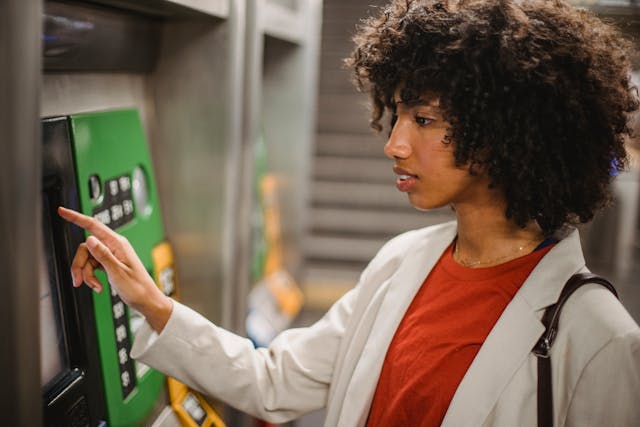
Another common tactic is the “stuck card” trick. A device is placed inside the machine to trap your card. As you try to figure out what went wrong, someone nearby may offer help and suggest calling a number. Be careful, this is often part of the scam.
For instance, a tourist withdrawing cash late at night might find their card stuck. A “helpful” stranger steps in and offers assistance, only to later retrieve the card once the tourist leaves.
To stay safe, use ATMs located inside banks or busy areas. Cover your hand when entering your PIN and avoid accepting help from strangers in such situations.
3. Taxi Scam and Transport Tricks in Bali
Transport-related tourist scams are common, especially for first-time visitors. Some taxi drivers may claim their meter is broken and offer a fixed price, which is usually much higher than the standard fare.
Others may take unnecessarily long routes to increase the cost. This is particularly common for routes from the airport to popular areas. Scammers often target tourists who feel relaxed and excited after arriving in Bali.
For example, a short journey that should cost IDR 80,000 might be quoted at IDR 250,000 without a meter. Tourists unfamiliar with distances often accept this without question.
To avoid this, choose reputable taxi companies or use ride-hailing apps like Grab or Gojek. These platforms provide transparent pricing and reduce the risk of overcharging. If you must ride a taxi, pick Blue Bird taxi. It’s one of the most trusted taxi operator in Indonesia.
4. Scooter Rental Scams and Damage Claims
If you come to Bali, using Grab or Gojek is helpful but could be very expensive if you choose to stay longer. Renting a scooter is one of the best ways to explore Bali, but it also comes with risks if you are not careful. Some rental providers may accuse you of damaging the scooter and demand excessive repair fees.
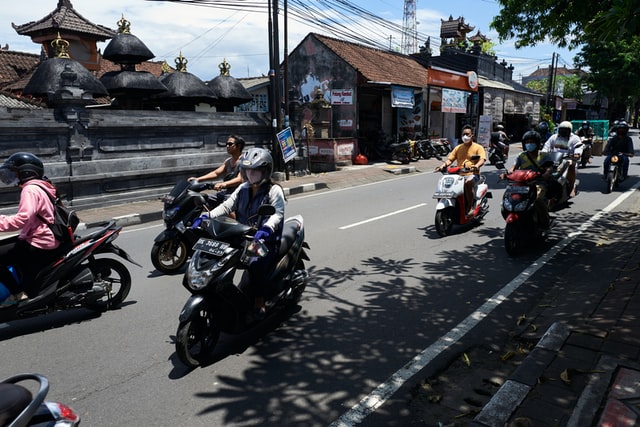
In some cases, the damage was already there before you rented it. Without proof, it becomes difficult to dispute the claim.
For example, a tourist rents a scooter for a few days and returns it without issues. The owner then points to scratches and insists they were caused during the rental period, asking for a large payment.
To avoid this, always inspect the scooter carefully before renting. Take photos or videos of any existing damage and ensure the rental agreement is clear. Using a reputable provider can also reduce risks.
5. Fake Tour Guides (“Gacong”)
Fake tour guides, locally known as “gacong”, often approach tourists near popular attractions. They may offer cheap tours or claim to be official guides, but their services are usually unreliable.
These individuals may take you to overpriced shops where they earn commission or request additional fees during the tour. The experience often falls short of expectations.
For instance, a guide may promise a full-day tour at a low price, but halfway through, they insist on extra charges for fuel, entrance tickets, or parking. Always agree on a price upfront.
To avoid this, book guides through trusted companies or verified platforms. If approached on the street, politely decline and seek recommendations from your hotel or other travellers.
6. Temple Donation and Sarong Scam
When visiting temples in Bali, wearing a sarong is part of respecting local customs. These are typically provided free or included in the entrance fee.
However, vendors outside temples may insist that you must buy a sarong from them, claiming it is mandatory and not available inside.

For example, a tourist arriving at a temple may be stopped before the entrance and told to purchase a sarong at an inflated price. Once inside, they realise it was unnecessary.
To avoid this, go directly to the official entrance or ticket counter in popular tourist areas. Always confirm requirements with authorised staff rather than relying on information from outside vendors.
7. Fake Villa Listings and Rental Scams
Accommodation scams are increasingly common, especially online. Fake villa listings use attractive photos and low prices to lure travellers.
Once payment is made, often via bank transfer. But then the listing disappears and the property does not exist.
For example, a couple books a villa through social media at a discounted rate. Upon arrival in Bali, they find the address leads to a completely different location.
To avoid rental scams, book through trusted platforms and check reviews carefully. Avoid properties with no feedback or suspiciously low prices. Always use secure payment methods.
8. Visa Scam in Bali
Visa scams in Bali are becoming more sophisticated, often targeting tourists who are unfamiliar with official immigration procedures.
Common tactics used by scammers vary, but many follow similar patterns. Victims may pay in full for visa services, only for the agents to become uncontactable or disappear without completing the process. In such cases, neither the visa nor a refund is delivered, resulting in financial loss.
Other schemes involve agents offering visa extensions that are not legally possible. Victims may only realise the issue after they have overstayed, at which point the agent may demand additional payments while the individual faces legal consequences.
To reduce the risk, tourists and expats are advised to use reputable and registered visa agencies. One example is LMI Consultancy, a leading visa agency and immigration consultancy in Indonesia. The firm provides visa services with clear procedures and transparent pricing.
Extra Tips to Stay Safe in Bali
Be Careful with Prices and Payments
Always confirm prices before agreeing to any service. Whether it is a taxi, tour, or rental, clarity helps you avoid misunderstandings.
Trust Your Instincts
If something feels off, it probably is. Walking away is always an option.
Keep Emergency Contacts Handy
Save contact details for your embassy and local authorities. It is a simple step that can be helpful in unexpected situations.
Frequently Asked Questions (People Also Ask) about Bali Scam
1. What is the most common scam in Bali?
Money exchange fraud and taxi overcharging are among the most common tourist scams in Bali.
2. Is Bali safe for tourists?
Yes, Bali is generally safe. Most visits are trouble-free, especially if you take basic precautions.
3. How can I avoid taxi scams in Bali?
Use trusted taxi companies or apps like Gojek and Grab, and avoid drivers who refuse to use a meter.
4. Are scooter rentals safe in Bali?
Yes, but always check the condition of the scooter and document any existing damage before renting.
5. How do I avoid rental scams in Bali?
Book through reputable platforms, read reviews, and avoid paying outside official systems.
Cover: Photo by Nataliya Vaitkevich/Pexels