The government has confirmed plans to introduce a work-from-home (WFH) policy for civil servants and encourage similar arrangements in the private sector after the holiday period, in a move aimed at improving energy efficiency amid rising global oil prices. The measure will apply only one day a week and will not cover sectors that require on-site operations, officials said.
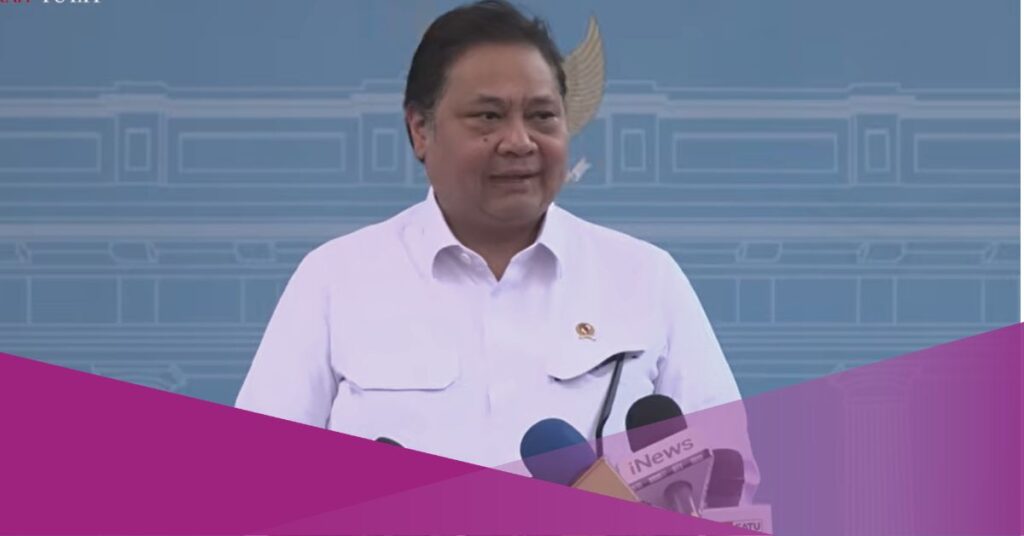
Coordinating Economic Minister Airlangga Hartarto said the policy would be detailed further before implementation, but stressed that it would apply to Aparatur Sipil Negara (ASN) and be encouraged for private companies where remote work is feasible. He added that sectors providing public services would be excluded from the arrangement.
Limited to sectors that can work remotely
State Secretary Prasetyo Hadi later clarified that the plan was still under formulation and would only apply to specific sectors that could support remote work. Public services, industry, and trade were among the activities likely to remain outside the scope of the policy, he said.
“Needless to say, this applies only to certain sectors, so that it is not misunderstood,” Prasetyo said at the State Palace in Jakarta, adding that the government was finalizing the details and would soon announce them to the public.
The clarification comes as officials seek to position the policy as a broader efficiency drive rather than a response to any immediate fuel shortage. Prasetyo said fuel supplies remain secure and that the initiative should be understood as part of a wider review of work systems across government.
Officials cite fuel savings and productivity balance
Finance Minister Purbaya Yudhi Sadewa said the government expects measurable energy savings if the policy is implemented. He said a one-day WFH arrangement could reduce fuel consumption by around 20 percent, based on a rough calculation.
Purbaya said the limited scope of the policy was intended to balance flexibility with productivity. While remote work has become more common in recent years, he noted that some tasks still cannot be completed effectively outside the office.
Tourism Impact
Furthermore, he also pointed out that if the WFH day were set on a Friday, it could create a longer weekend from Friday to Sunday. That, he said, may encourage household activity and provide a modest lift for domestic tourism and leisure spending.
Linked plan to broader efficiency push
The policy was first raised in a cabinet meeting in Jakarta on 13 March, when President Prabowo Subianto urged ministers to explore ways to reduce fuel consumption and improve resilience in the face of global uncertainty.
Drawing on Indonesia’s experience during the COVID-19 pandemic, the President said remote work had previously helped the country save significant amounts of fuel.
Prabowo asked ministers to discuss how many days such a system might work, while noting that remote work had proven feasible during the pandemic. His comments signaled that the government sees WFH not only as a temporary convenience, but also as part of a longer-term efficiency strategy.
Part of a wider regional trend
Indonesia is not alone in considering work-pattern changes as part of energy-saving efforts. Thailand has asked civil servants to work from home while also limiting electricity use in public buildings, including tighter control over air-conditioning and lift usage. The Philippines has introduced a four-day workweek in the public sector, while Pakistan has explored remote learning and working arrangements as part of its energy policy response.
For now, the Indonesian government says the plan remains under review and will be implemented only in sectors that can support remote operations. But with oil prices climbing and fiscal efficiency under pressure, the one-day WFH proposal appears set to become one of the government’s first major workplace policy shifts of the year.