Understanding Entry Requirements and Vaccination Rules
Foreign nationals planning to enter Indonesia should be aware of the latest health regulations, including vaccination and travel documentation requirements. During the COVID-19 period, the Indonesian government introduced specific measures under the COVID-19 Task Force Circular Letter No. 7 of 2022 to regulate international arrivals.
Under these rules, international travellers (PPLN) were subject to different quarantine periods depending on their vaccination status. Travellers who had received a COVID-19 booster (third dose) were required to undergo a three-day quarantine. Those with two doses faced a five-day quarantine, while individuals with only one dose were required to quarantine for seven days.
Foreign nationals without complete vaccination could receive vaccination during quarantine under certain conditions, including age eligibility and visa status. Accepted entry points included major international airports such as Soekarno-Hatta, Ngurah Rai, and Juanda, as well as selected seaports and land border crossings.
While many COVID-19 restrictions have since been relaxed, understanding these policies remains important for context when reviewing current entry requirements and travel vaccine expectations in Indonesia.
Essential Travel Vaccine Recommendations for Indonesia

1. Hepatitis A and B Vaccination
Hepatitis A is commonly transmitted through contaminated food and water, making it a significant concern in areas with inconsistent hygiene standards. Vaccination is recommended at least two weeks before travel. If you moving to Indonesia with your family, please stay inform about vaccine for kids. Infants 6 to 11 months old should also be vaccinated against Hepatitis A.
Hepatitis B, on the other hand, spreads through blood and bodily fluids. It is particularly relevant for long-term visitors, individuals seeking medical care, or those engaging in activities that may involve exposure to bodily fluids. A full vaccination course is typically administered over several months.
2. Typhoid Vaccination
Typhoid fever is caused by bacteria found in contaminated food and water. It remains prevalent in parts of Indonesia, especially outside major urban areas. Travellers who plan to eat street food or visit rural regions are strongly advised to receive the typhoid vaccine at least one to two weeks before departure.
3. Tetanus, Diphtheria, and Pertussis (Tdap)
The Tdap vaccine protects against three serious diseases. Tetanus can occur through open wounds, while diphtheria and pertussis are transmitted through respiratory droplets.
This vaccination is particularly important for travellers engaging in outdoor activities such as hiking or motorcycling. A booster is recommended if the last dose was administered more than ten years ago.
4. Rabies Vaccination and Post-Exposure Prophylaxis
Rabies remains a concern in certain regions of Indonesia, particularly in areas with high populations of stray animals. The disease is transmitted through bites or scratches from infected animals. If you’re traveling to Bali or a Bali expat, this disease can come from wild dogs, monkey, and bat.
Pre-exposure vaccination is recommended for travellers spending extended periods in rural areas or those likely to interact with animals. In the event of exposure, immediate medical treatment, known as post-exposure prophylaxis, is essential to prevent the disease from progressing. So, get your rabies vaccines!
5. Influenza and Routine Vaccination
Influenza spreads easily in crowded environments such as airports and public transport. Although not specific to Indonesia, the flu vaccine is recommended, particularly for travellers visiting during peak flu seasons.
Routine immunisations, including measles and polio, should also be up to date before travel.
Additional Health Risks: Malaria and Other Diseases
Malaria Risk in Indonesia
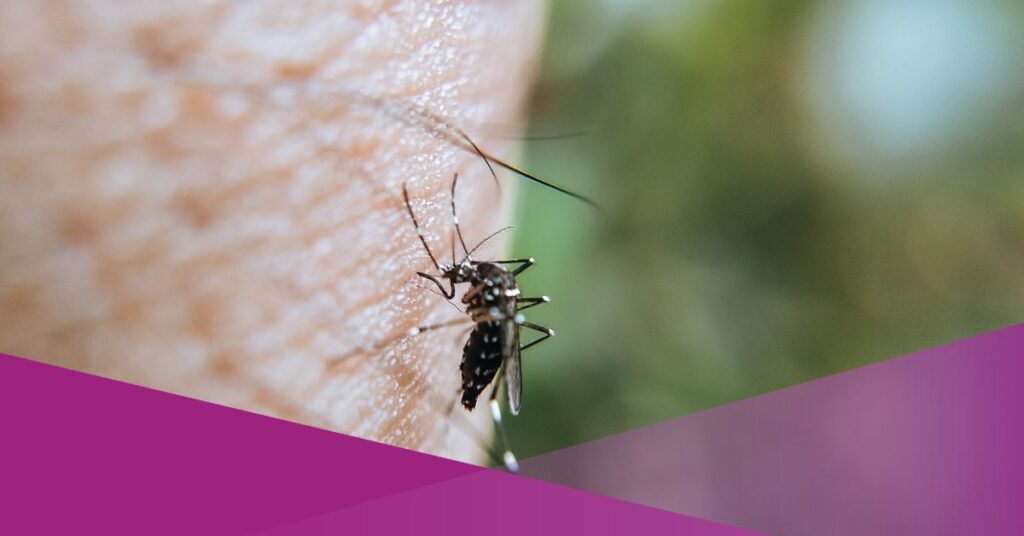
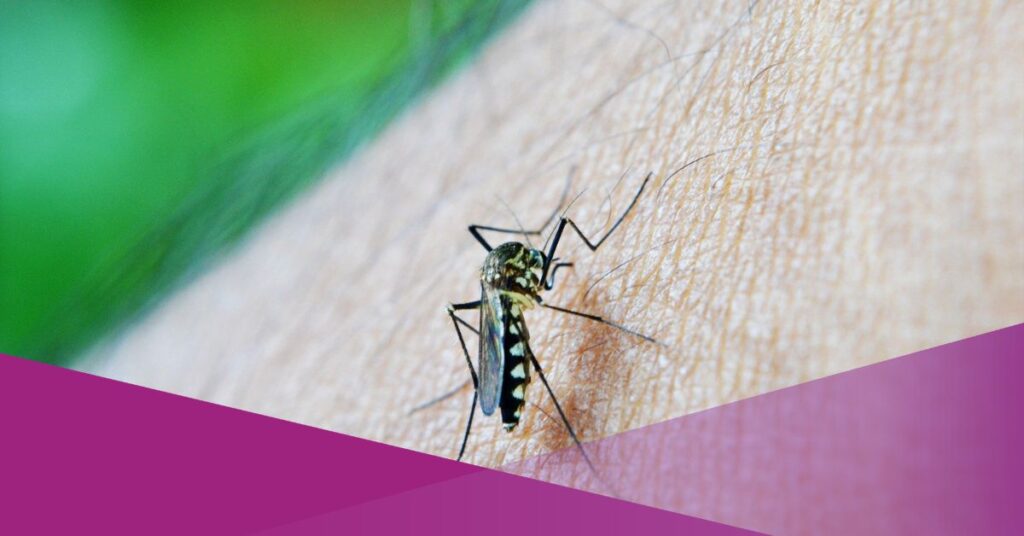
Malaria is present in several regions of Indonesia, particularly in eastern provinces such as Papua and parts of Nusa Tenggara. No malaria transmission in the cities of Jakarta. The disease is transmitted by mosquitoes and can cause severe complications if untreated.
Preventive measures include:
- Taking antimalarial medication where recommended
- Using insect repellent. Use a repellent that contains 20% or more DEET for protection.
- Sleeping under mosquito nets
Other Common Health Risks
In addition to malaria, travellers should be aware of other health risks such as chikungunya fever and dengue fever, which is prevalent in urban and semi-urban areas. Some areas like in Kalimantan, Sulawesi, and Sumatra require you to get a vaccine for malaria.
Unlike malaria, dengue is transmitted by daytime mosquitoes. Maintaining hygiene, avoiding unsafe food and water, and practising general health precautions are essential to minimise exposure to many diseases.
Preparing for Travel to Indonesia
Here some travel advice before moving to Indonesia or before travelling here. Ensure that all necessary documents and vaccination records are complete. These include:
- Passport and visa
- Proof of vaccination
- Travel insurance that includes medical evacuation coverage
- Medical certificates if required
- Bring a travel health kit
- Consultation and Planning
Early consultation with a healthcare provider allows sufficient time to complete vaccination schedules. Some vaccines require multiple doses over several weeks or months, making advance planning essential.

Indonesia remains a popular destination for both short-term visitors and long-term expatriates. However, preparation is key to ensuring a safe and free from all diseases in Indonesia.
Understanding vaccine Indonesia requirements, staying informed about travel vaccine recommendations, and recognising potential health risks such as malaria and COVID-19 can help travellers make informed decisions.
By taking the necessary precautions, expat and foreigner can minimise health risks and focus on their experience in Indonesia with greater confidence.
People Also Ask (PAA) About Vaccine for Expat in Indonesia
1. What vaccines are required for Indonesia?
There are no universally mandatory vaccines for Indonesia, but recommended travel vaccines include hepatitis A, typhoid, tetanus, hepatitis B, and rabies depending on travel plans.
2. Is COVID-19 vaccination still required to enter Indonesia?
COVID-19 vaccination is no longer strictly required for entry, but it is still recommended to reduce health risks and ensure safer travel.
3. Do I need malaria medication for Indonesia?
Malaria medication is recommended if you are travelling to high-risk areas such as Papua and eastern Indonesia. It is not necessary for most urban destinations.
4. How early should I get a travel vaccine before visiting Indonesia?
Travellers should consult a doctor at least four to six weeks before departure, as some vaccines require multiple doses over time.
5. What should I do if I am bitten by an animal in Indonesia?
Seek immediate medical attention for post-exposure prophylaxis, especially if there is a risk of rabies infection.