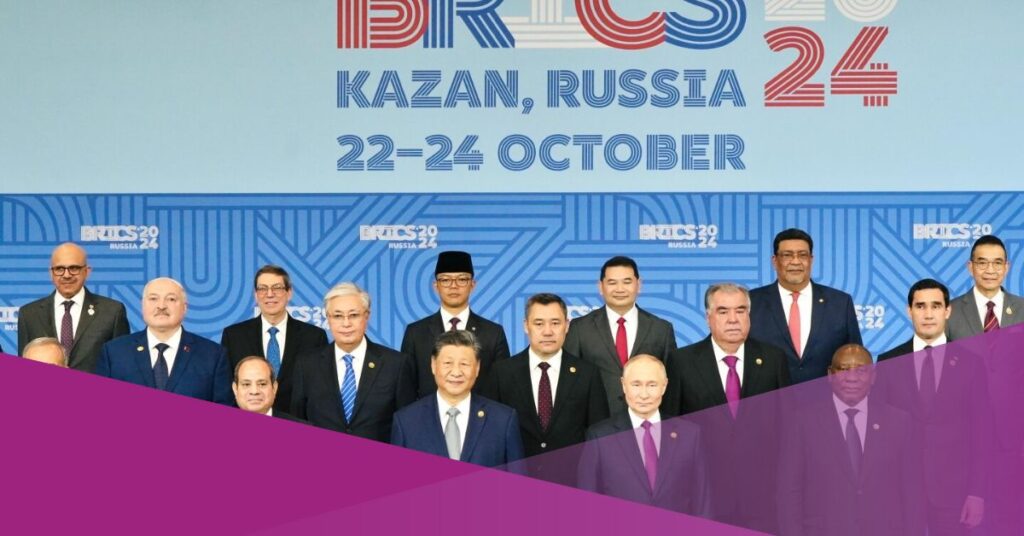
Indonesia has officially joined BRICS, the economic bloc comprising Brazil, Russia, India, China, and South Africa, as of Monday, 6 January 2025. The announcement came from the Brazilian government, which confirmed Indonesia’s acceptance as a full member.
Brazil stated that all BRICS member countries had agreed to Indonesia’s inclusion since 2023, solidifying the nation’s position within the bloc.
Indonesia’s Foreign Minister, Sugiono, highlighted this achievement as evidence of Indonesia’s growing global recognition. “In under three months, BRICS members agreed to accept Indonesia as a full member. This shows that Indonesia is regarded as a significant player in the global order,” he said at a press conference in Jakarta, as reported by Kompas.
As Southeast Asia’s largest economy, Indonesia’s membership in BRICS is seen as a gateway to expanded access to global markets, investments, and advanced technologies.
But what exactly is BRICS, and what does Indonesia stand to gain—or lose—by joining?
What is BRICS?
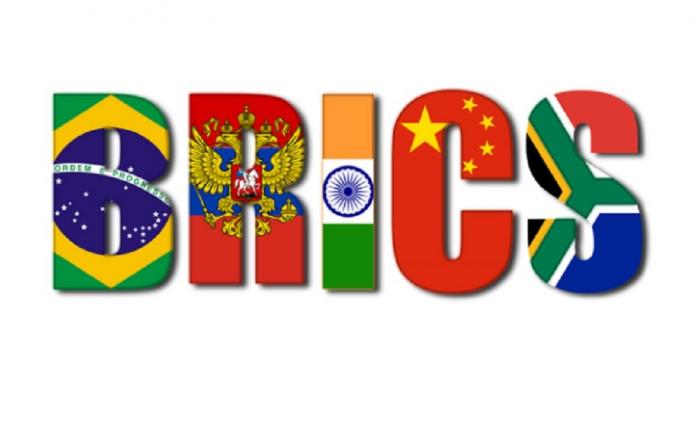
BRICS refers to a group of nations experiencing rapid economic growth and expected to become dominant global economic powers in the 21st century. The acronym represents its founding members: Brazil, Russia, India, China, and South Africa.
BRICS aims to counterbalance the influence of Western-led global institutions such as the International Monetary Fund (IMF) and the World Bank. New members can only join through unanimous approval by existing member states.
The current BRICS members are:
- Brazil
- Russia
- India
- China
- South Africa
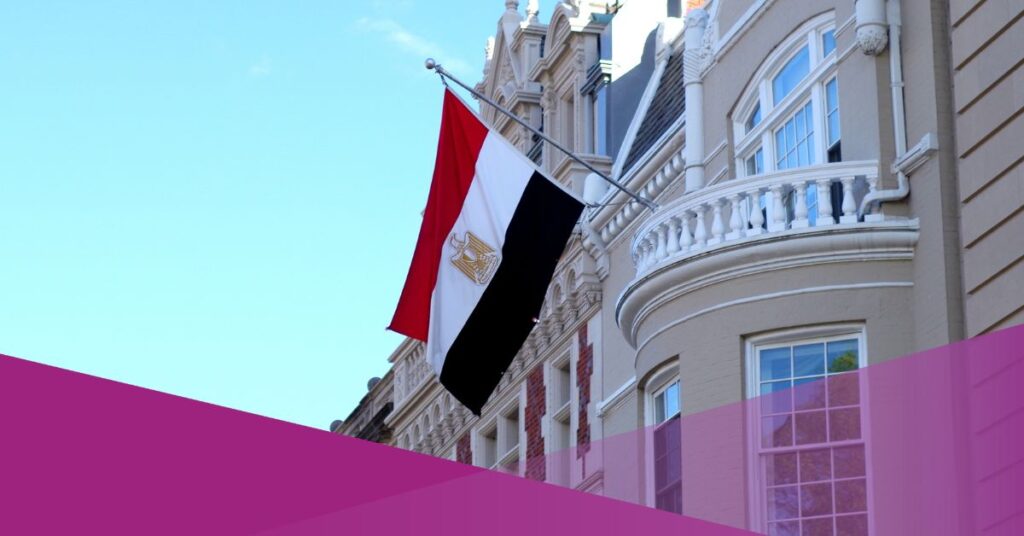
- Egypt
- Ethiopia
- Iran
- United Arab Emirates
- Indonesia
Benefits of Indonesia Joining BRICS
Stronger Economic Cooperation
Membership in this bloc offers Indonesia opportunities for closer economic collaboration with other developing nations. This can expand trade and investment networks, fostering economic growth.
Greater Global Influence
Indonesia’s participation in BRICS allows its voice to be heard in shaping global decisions. This strengthens the country’s ability to represent its aspirations on the world stage.
Potential Challenges
Economic Dependency
Indonesia risks becoming overly dependent on the economies of dominant member nations, particularly China and India. This reliance could be problematic in the event of economic tensions or policy shifts among these major players.
Perceived Favouritism
Joining this bloc might lead to perceptions that Indonesia is aligning more closely with China and Russia, the bloc’s primary initiators. This could impact Indonesia’s relations with Western nations.
Indonesia’s membership in BRICS represents a significant opportunity to strengthen its economy and enhance its influence in global affairs. However, the nation must carefully navigate potential risks to ensure its participation benefits all sectors of its economy and maintains balanced international relations.