Indonesia is known for its diverse culinary heritage, from savoury street food to sweet traditional desserts. If you enjoy exploring local food but need to follow a gluten-free diet, you might be surprised by the number of traditional Indonesia snacks you can still enjoy.
Many Indonesian traditional treats are made using naturally gluten-free ingredients such as rice flour, glutinous rice, cassava, sweet potatoes and tapioca flour instead of wheat flour. These ingredients create the distinctive soft, chewy and sometimes crispy textures found in many Indonesian delicacies.
Whether you are travelling around Indonesia, visiting a traditional market or simply looking for a different afternoon snack, there are plenty of local treats to discover.
Here are 15 traditional Indonesia snacks that are naturally gluten free and worth trying.
1. Klepon
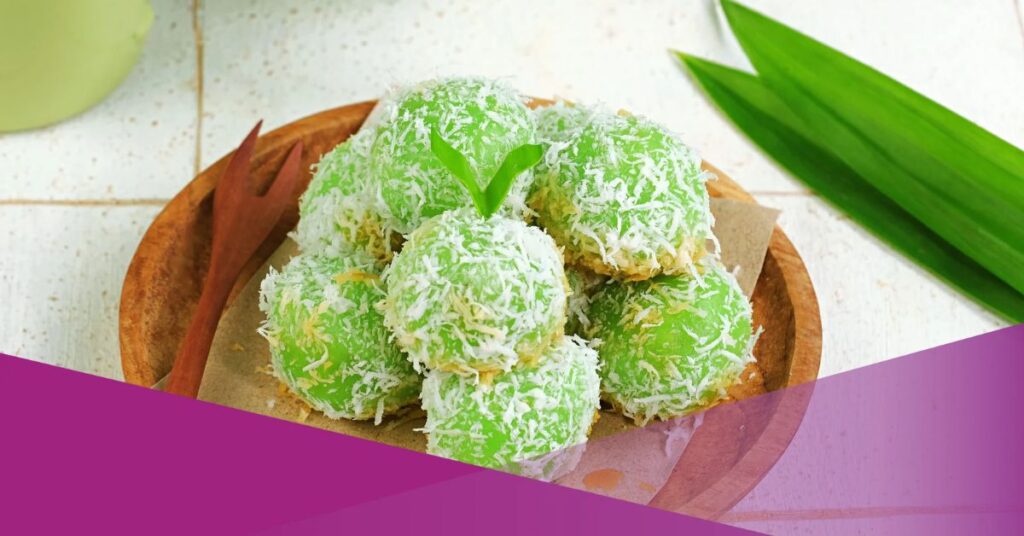
Klepon is one of Indonesia’s most recognisable traditional snacks. These small, green, round rice cakes are made from glutinous rice flour, usually flavoured with pandan, and filled with melted palm sugar.
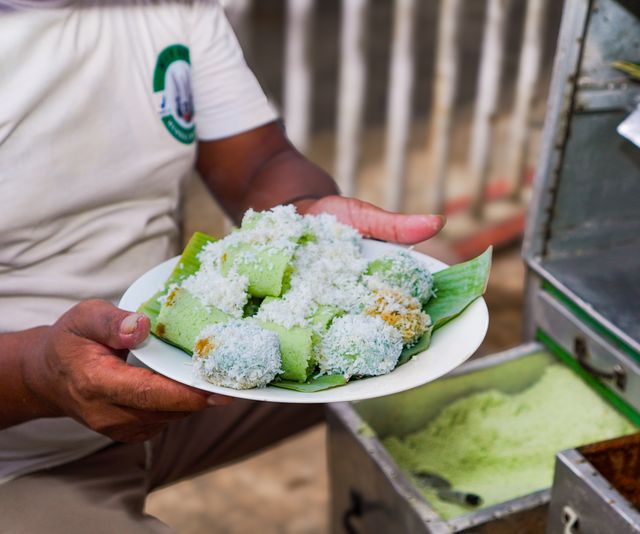
The little balls are boiled until cooked and then rolled in freshly grated coconut. When you bite into one, the sweet palm sugar filling bursts inside your mouth, creating a delicious combination of sweetness and savoury coconut.
Since its main ingredients are glutinous rice flour, pandan and coconut, traditional klepon is naturally gluten free.
2. Kue Lupis
Kue lupis, also known as lopis, is a traditional Indonesian snack commonly found in Java and Sumatra. It is made from glutinous rice wrapped in banana leaves and boiled until it becomes soft and sticky.
The cooked rice is usually cut into smaller portions and served with grated coconut and a generous drizzle of palm sugar syrup. Its chewy texture and combination of sweet and savoury flavours make it a popular traditional market snack.
As it uses glutinous rice rather than wheat flour, lupis is naturally gluten free when prepared without gluten-containing additions.
3. Kue Putu
You might recognise kue putu from its distinctive whistling sound, which comes from the steam escaping during the cooking process.
This traditional snack is made from rice flour mixed with pandan flavouring and filled with grated palm sugar. The mixture is placed inside small bamboo tubes and steamed until cooked.
Kue putu is usually served warm with freshly grated coconut. Its soft texture, fragrant pandan aroma and sweet filling make it a favourite among Indonesian street food enthusiasts.
Rice flour is naturally gluten free, making traditional kue putu another snack worth trying.
4. Cenil
Cenil is a colourful traditional Indonesian snack known for its chewy texture and bright appearance. It is commonly made from tapioca flour or sago flour, which gives it a slightly elastic consistency.
The small pieces are usually served with grated coconut and palm sugar syrup. Some versions come in different colours, making them particularly eye-catching when displayed at traditional markets.
Cenil is a naturally gluten-free option because its main ingredients come from cassava or sago rather than wheat. However, check the food colouring and additional ingredients used during preparation.
5. Ketan Bumbu
If you prefer savoury snacks, ketan bumbu is worth adding to your list. Also known as ketan serundeng, this traditional treat is made from steamed glutinous rice topped with seasoned grated coconut.
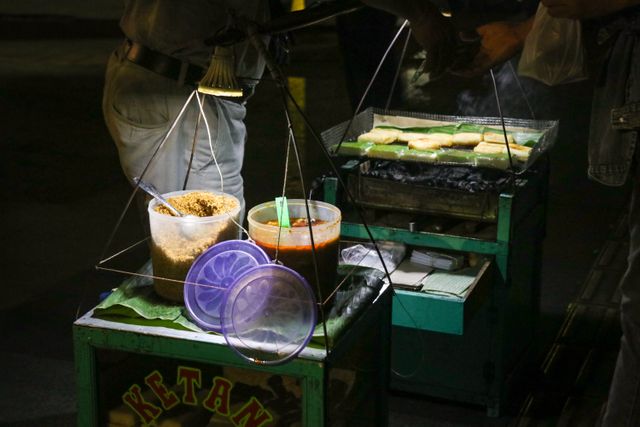
The coconut topping, known as serundeng, is usually cooked with spices to create a combination of savoury, slightly sweet and sometimes spicy flavours.
Unlike many modern savoury snacks that use wheat-based ingredients, traditional ketan bumbu relies on glutinous rice and coconut. This makes it naturally gluten free, provided that the seasoning does not contain gluten-based additives.
6. Kue Rangi
Kue rangi is a traditional Betawi snack that originated in Jakarta. Although it is becoming less common, you may still find it sold by traditional street food vendors.
It is made from a mixture of grated coconut and starch, commonly tapioca or sago flour, before being cooked in a special mould over a charcoal or heated stove.
Once cooked, kue rangi is served with thick palm sugar sauce, which adds a sweet flavour to its slightly crispy exterior and soft coconut filling.
Its simple ingredients make traditional kue rangi naturally gluten free, as long as no wheat-based ingredients are added.
7. Lemper
Not every gluten-free Indonesia snack has to be sweet. Lemper is a popular savoury treat made from glutinous rice and filled with seasoned shredded chicken or meat floss.
The rice is cooked with coconut milk and wrapped in banana leaves, giving it a fragrant aroma. Its compact shape also makes it convenient to enjoy as a quick snack between meals.
Lemper is commonly found at traditional markets, bakeries and Indonesian food stalls. Since its main ingredient is glutinous rice, it is naturally gluten free when prepared using suitable fillings and seasonings.
8. Getuk Lindri
Getuk lindri is a traditional Javanese snack made from boiled cassava that is mashed and mixed with sugar. It is then shaped into small pieces, sometimes with different colours, and served with grated coconut.
The snack has a soft, slightly chewy texture with a mild sweetness from the cassava and sugar. Its colourful appearance also makes it easy to recognise at traditional markets.
Cassava is naturally gluten free, so traditional getuk lindri is another option for those avoiding wheat-based snacks.
9. Kue Talam
Kue talam is a traditional steamed cake with a distinctive two-layer appearance. The bottom layer is often made with rice flour, tapioca flour and coconut milk, while the top layer usually has a savoury coconut flavour.
Depending on the recipe, you can find different varieties, including pandan, pumpkin, sweet potato and palm sugar versions.
Its soft, slightly chewy texture and combination of sweet and savoury flavours make kue talam a popular traditional Indonesian snack.
As it is generally made using rice flour and tapioca rather than wheat flour, traditional kue talam is naturally gluten free.
10. Bubur Sumsum
Bubur sumsum is a traditional Indonesian dessert with a smooth and creamy consistency. It is made by cooking rice flour with coconut milk until the mixture becomes thick and soft.
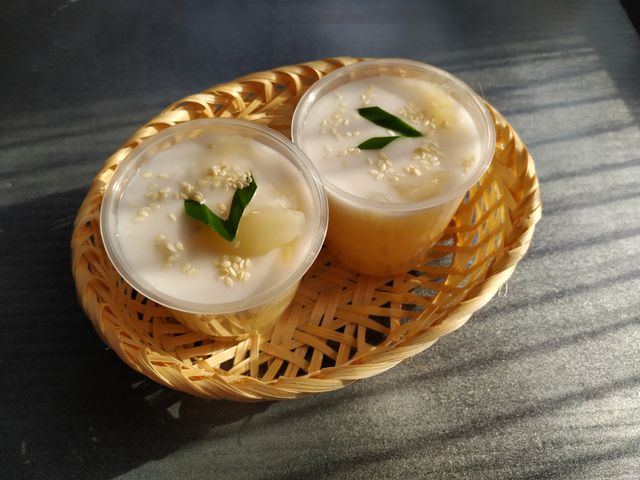
The white porridge is usually served with liquid palm sugar, creating a balance between the mild savoury flavour of coconut milk and the sweetness of the syrup.
Some variations also include toppings such as black glutinous rice, sweet potato balls or other traditional ingredients.
Since its main ingredients are rice flour and coconut milk, bubur sumsum is naturally gluten free. However, check any additional toppings before ordering.
11. Nagasari
Nagasari is a traditional Indonesian steamed cake made from rice flour, coconut milk and sugar, with a slice of banana in the centre.
The mixture is wrapped in banana leaves before being steamed, giving the cake a fragrant aroma. Once cooked, it has a soft and slightly chewy texture, while the banana adds natural sweetness.
Nagasari is commonly served at family gatherings, traditional celebrations and local markets.
Its traditional recipe uses rice flour instead of wheat flour, making it a naturally gluten-free Indonesian dessert.
12. Wajik
Wajik is a traditional Indonesian sweet snack made from glutinous rice, coconut milk and palm sugar. The ingredients are cooked together until the rice becomes sticky and coated in a glossy brown mixture.
Once ready, the mixture is shaped and cut into small diamond or rectangular pieces. It has a chewy consistency and a rich sweetness from the palm sugar.
Wajik is often served during traditional celebrations and family gatherings. Since its main ingredients do not contain wheat, traditional wajik is naturally gluten free.
13. Putu Mayang
Putu mayang is a traditional Indonesian snack known for its colourful, noodle-like appearance. It is made from rice flour and shaped into small bundles before being steamed.
The snack is usually served with coconut milk sauce and palm sugar syrup, creating a combination of creamy, sweet and slightly savoury flavours.
Its soft texture and distinctive shape make it different from other Indonesian rice-based desserts.
Traditional putu mayang uses rice flour instead of wheat flour, making it naturally gluten free.
14. Dodol
Dodol is a traditional Indonesian sweet that is particularly popular in several regions, including Garut in West Java.
It is made from glutinous rice flour, coconut milk and palm sugar, which are slowly cooked and continuously stirred until the mixture becomes thick, sticky and chewy.
Dodol comes in different flavours, including original palm sugar, durian and other fruit varieties. It is also commonly sold as a souvenir, making it a popular treat among domestic and international travellers.
Traditional dodol is naturally gluten free because it uses glutinous rice flour rather than wheat flour. However, check the ingredients of packaged varieties to ensure that no gluten-containing additives have been included.
15. Ketimus
Ketimus is a traditional Indonesian snack made from grated cassava, grated coconut, palm sugar and a little salt.
The mixture is wrapped in banana leaves and steamed until it becomes soft and cooked through. Some variations also include banana or jackfruit to add more flavour and aroma.
Ketimus has a slightly chewy texture with a combination of sweetness from the palm sugar and a savoury taste from the coconut.
As cassava is naturally gluten free, ketimus is another traditional Indonesia snack that can be enjoyed by those looking for alternatives to wheat-based treats.
What Should You Know Before Eating Gluten Free Indonesia Snacks?
Although many traditional Indonesian snacks use naturally gluten-free ingredients, it is important to pay attention to how they are prepared.
Gluten is a protein found in grains such as wheat, barley and rye. People with coeliac disease need to avoid gluten because even small amounts can trigger an immune reaction and damage the small intestine.
People Also Ask (PAA): Gluten-Free Food in Indonesia
1. What does a gluten-free diet mean and who needs to follow one?
A gluten-free diet is an eating plan that excludes gluten, a protein naturally found in wheat, barley and rye. It means avoiding foods and ingredients made from these grains, including regular bread, pasta, noodles, biscuits and certain processed foods.
This diet is essential for people with coeliac disease, an autoimmune condition in which eating gluten triggers an immune response that damages the small intestine. People with diagnosed wheat allergies or non-coeliac gluten sensitivity may also need to avoid gluten, although their dietary requirements can differ.
2. Which flours and everyday ingredients are gluten-free?
Several flours and everyday ingredients commonly used in Indonesian cooking are naturally gluten-free. They can be alternatives to wheat flour for preparing cakes, snacks, traditional dishes and other homemade meals.
3. How can I choose packaged gluten-free foods and check their labels?
Choosing packaged gluten-free foods requires more than checking the product name or front-of-pack claims. Some processed foods may contain hidden gluten through seasonings, sauces, flavourings or thickening agents.
4. What gluten-free food products are available in Indonesia?
Indonesia offers several gluten-free food options, from naturally gluten-free traditional ingredients to packaged alternatives made with locally sourced cassava, rice, corn and other ingredients.