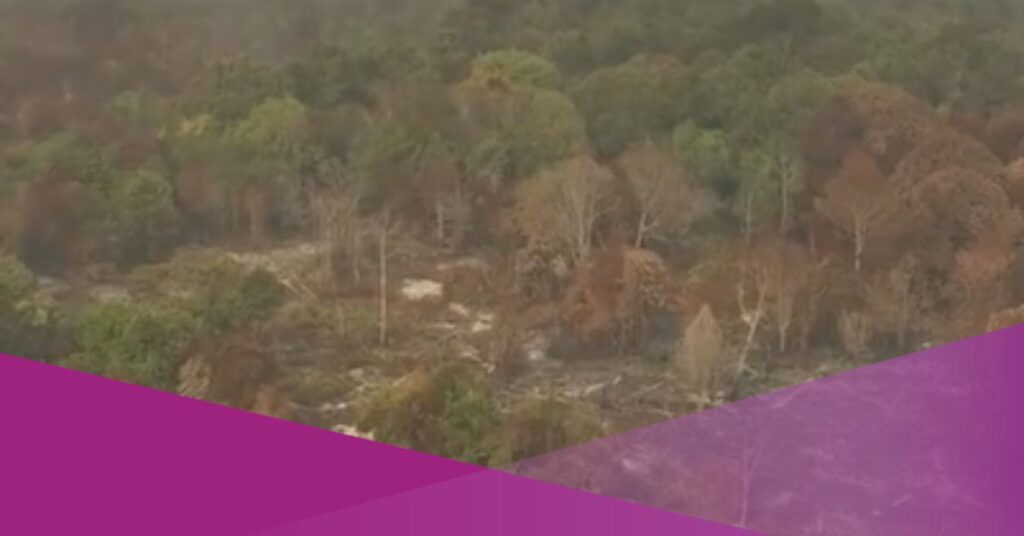
Forest and land fires across Indonesia have raised concerns over air quality and respiratory health, with several provinces in Sumatra and Kalimantan affected by fires and haze during the 2026 dry season.
The National Disaster Management Agency (BNPB) identified West Kalimantan, Central Kalimantan, South Kalimantan, Riau, Jambi and South Sumatra as priority provinces for forest and land fire response in early September. Firefighting operations have included ground and aerial efforts, as well as weather modification operations to increase the possibility of rainfall.
The situation has also affected public health. On 9 September, Indonesia’s Ministry of Health reported 113,336 cases of acute respiratory infections, or ISPA, across seven provinces affected by forest and land fires. The cases were recorded across 63 regencies and cities in South Kalimantan, Central Kalimantan, West Kalimantan, East Kalimantan, Jambi, Riau and South Sumatra.
Forest Fires in Indonesia Affect Kalimantan and Sumatra
Kalimantan has been among the areas dealing with significant fire activity. The Ministry of Forestry said in September that it was strengthening fire control operations in Kalimantan after relatively high concentrations of hotspots were detected in the region.
On 11 September, Indonesia recorded 688 high-confidence hotspots nationally, up from 569 the previous day, according to data from the ministry’s SiPongi system. At the same time, Riau and Jambi recorded no high-confidence hotspots in the latest monitoring cited by the ministry.
West Kalimantan has been particularly affected. Reuters reported in September that the province was among the hardest-hit areas during a wildfire season described as the most severe on Borneo in more than a decade. Dry conditions and an El Niño weather pattern have contributed to the difficult firefighting conditions.
The fires have affected communities through smoke and deteriorating air quality, while firefighting teams continue to work to contain the spread.
Riau Records Thousands of Respiratory Infection Cases
Riau provides another example of the health impact associated with the haze.
The Riau Health Office recorded 11,370 cases of ISPA between 1 and 14 September 2026. Health Office head Zulkifli said the increase was suspected to be associated with haze from forest and land fires affecting parts of the province.
Earlier figures released on 8 September showed 10,783 ISPA cases recorded during August and early September. The later figure of 11,370 cases reflects the subsequent reporting period and therefore provides a more recent picture of the situation.
The Health Ministry’s national figures show that the issue extends beyond Riau. Of the 113,336 ISPA cases recorded across seven provinces by 9 September, 26,545 involved children aged between zero and five, while 86,791 involved people aged over five.
Why Forest Fire Haze Can Affect Your Health
Smoke from forest and land fires contains fine particles and other pollutants that can affect the respiratory system.
One concern is PM2.5, fine particulate matter measuring 2.5 micrometres or smaller. These particles can travel deep into the lungs and may aggravate existing respiratory conditions.
Exposure to smoke can also cause irritation to the eyes, nose and throat. People may experience coughing, breathing difficulties or other respiratory symptoms, particularly when air pollution levels are high.
Children, pregnant women, older adults and people with existing heart or respiratory conditions can be more vulnerable to the effects of polluted air.
Symptoms to Watch For
ISPA is a broad term covering infections affecting the respiratory tract and can have several causes. Symptoms may include coughing, a runny nose, fever, a sore or itchy throat, hoarseness and shortness of breath.
Smoke exposure can also worsen existing conditions such as asthma. More serious symptoms, including significant difficulty breathing, persistent fever or worsening respiratory problems, require medical attention.
Residents experiencing symptoms that persist or become more severe should seek medical advice at the nearest health facility.
How to Protect Yourself From Forest Fire Haze
Reducing exposure is an important part of protecting your health when air quality deteriorates.
Monitor Air Quality
Check local air quality before spending extended periods outdoors. When pollution levels are high, reduce unnecessary outdoor activities and avoid strenuous exercise outside.
People who need to work or travel outdoors should take additional precautions, particularly during periods when haze is heavy.
Use an Appropriate Mask
IQAir recommends particulate-filtering masks such as N95, KN95, N100 or FFP2 masks when exposure to wildfire smoke cannot be avoided.
A properly fitted mask can help reduce the amount of fine particulate matter inhaled. Ordinary loose-fitting masks may not provide the same level of protection against fine particles.
Keep Indoor Air Cleaner
When outdoor air quality is poor, staying indoors can reduce exposure. Keep doors and windows closed when possible to prevent smoke from entering the home.
Air conditioning systems can be set to recirculation mode rather than drawing outdoor air inside. Activities that create additional indoor pollution, including burning materials or using candles, should also be avoided.
What To Do If You Develop Respiratory Symptoms
People who develop respiratory symptoms during periods of heavy haze should pay attention to changes in their condition.
Mild symptoms may include coughing or throat irritation, but worsening breathing difficulties, persistent fever, wheezing or other severe symptoms should be assessed by a healthcare professional.
Riau’s Health Office has encouraged residents experiencing health problems to visit the nearest healthcare facility. It has also increased health monitoring for conditions that may be associated with smoke exposure, including ISPA, eye irritation, pneumonia, skin irritation and asthma.