Indonesia will loan a pair of Komodo dragons to Japan as part of a conservation-focused breeding programme, in exchange for several animals, including giraffes and red pandas.
The Ministry of Forestry confirmed that a male and a female Komodo dragon will be sent to a zoo in Shizuoka Prefecture. The arrangement forms part of a broader effort to support wildlife conservation and strengthen cooperation between the two countries.
“The animal exchange will enhance the contributions of both parties to wildlife protection and conservation, while also raising public awareness of biodiversity,” the Ministry of Forestry said in an official statement, as quoted by Reuters.
Komodo dragons are endemic to Indonesia and are classified as endangered on the International Union for Conservation of Nature (IUCN) Red List.
Agreement Signed as Part of Bilateral Cooperation
The agreement was formalised in a Memorandum of Understanding (MoU) signed on 28 March in Shizuoka. The document was endorsed by Indonesia’s Forestry Minister, Raja Juli Antoni, and Shizuoka Prefecture Governor, Yasutomo Suzuki.
Raja Juli stated that the initiative extends beyond the transfer of animals between institutions.
“This collaboration is not just an animal exchange, but part of Green Diplomacy, Indonesia’s long-term commitment to preserving the world’s biodiversity heritage,” he said.
The programme will be implemented through a business-to-business agreement between Surabaya Zoo in Indonesia and iZoo in Shizuoka. Authorities said all stages of the process, including animal care, transport, and supervision, will follow international standards.
The Ministry of Forestry added that the programme will comply with regulations under the Convention on International Trade in Endangered Species of Wild Fauna and Flora (CITES).
Timeline and Conservation Debate
According to Japanese media reports, the Komodo dragons are expected to arrive in Shizuoka as early as June. However, Ahmad Munawir, a conservation official at the Ministry of Forestry, said the transfer will only proceed once technical agreements between the participating zoos have been finalised.
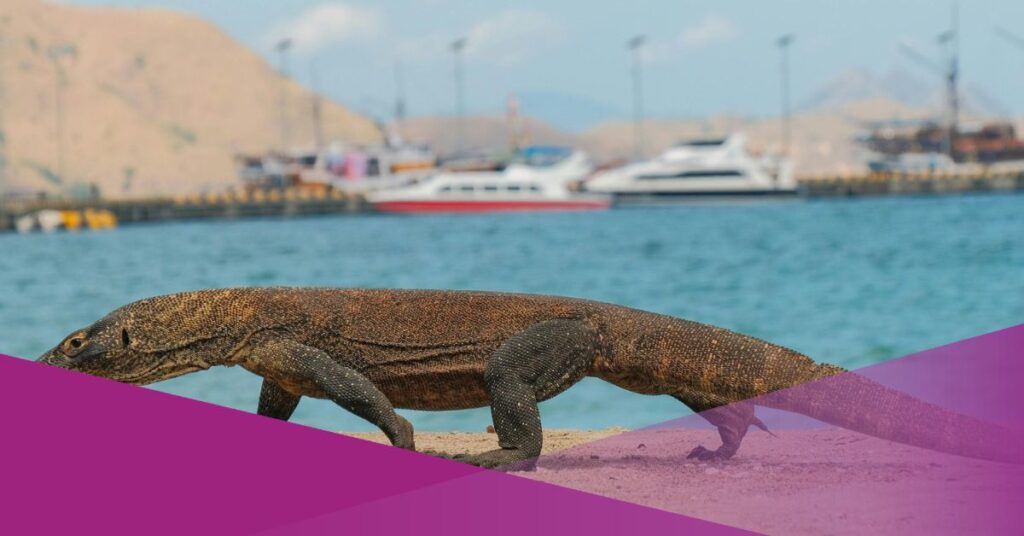
Indonesia is home to more than 3,000 Komodo dragons, according to government data. The species is the largest living lizard, capable of growing up to three metres in length. It is known for its forked tongue and venomous bite.
The agreement has drawn criticism from animal rights groups. People for the Ethical Treatment of Animals (PETA) expressed concern about the use of wildlife in international exchanges.
“Endangered Komodo dragons should never be treated as diplomatic bargaining chips or prestige projects between Indonesia and Japan. Shipping these highly intelligent animals overseas for captive breeding only reinforces the dangerous myth that conservation can happen behind zoo walls, while any offspring born there would be condemned to a lifetime of confinement. True conservation protects Komodo dragons where they belong—in their natural habitats—not by exporting them for political optics or public‑relations gains,” write Jason Baker, President of PETA Asia, on their official website.
Photo by Jeffry Surianto/Pexels