The Shift in Modern Leadership
Across industries today, leadership is evolving in ways that feel both visible and quietly transformative. More women are stepping into leadership roles—not as a passing trend, but as part of a broader structural shift in how organisations grow and operate.
According to global studies such as McKinsey’s Women in the Workplace, female representation in senior leadership has steadily increased over the past decade. Women now hold approximately 28–30% of C-suite roles globally, still a minority, but the highest level recorded to date.
In Southeast Asia, the momentum is even more pronounced. Markets such as Indonesia are seeing stronger female participation in business leadership compared to global averages, reflecting both cultural and economic shifts.
Yet beyond representation, the transformation lies in how leadership itself is being redefined. Many organisations now recognise that leadership shaped by women often brings a distinct balance—combining decisiveness with empathy, structure with intuition, and performance with people.
Leadership in Practice: The ISMAYA Group Case
At ISMAYA Group, leadership does not announce itself loudly. It is reflected in decisions, direction, and the steady movement of the business forward—often without drawing attention to itself.
Within this context, the company represents a broader industry shift where women in leadership are not positioned as exceptions, but as a natural part of organisational evolution.
Today, 80% of ISMAYA Group’s top management are women, leading across finance, marketing, operations, supply chain, human resources, and market expansion—areas historically dominated by male leadership.
Cendrayani: Leadership Without Labels
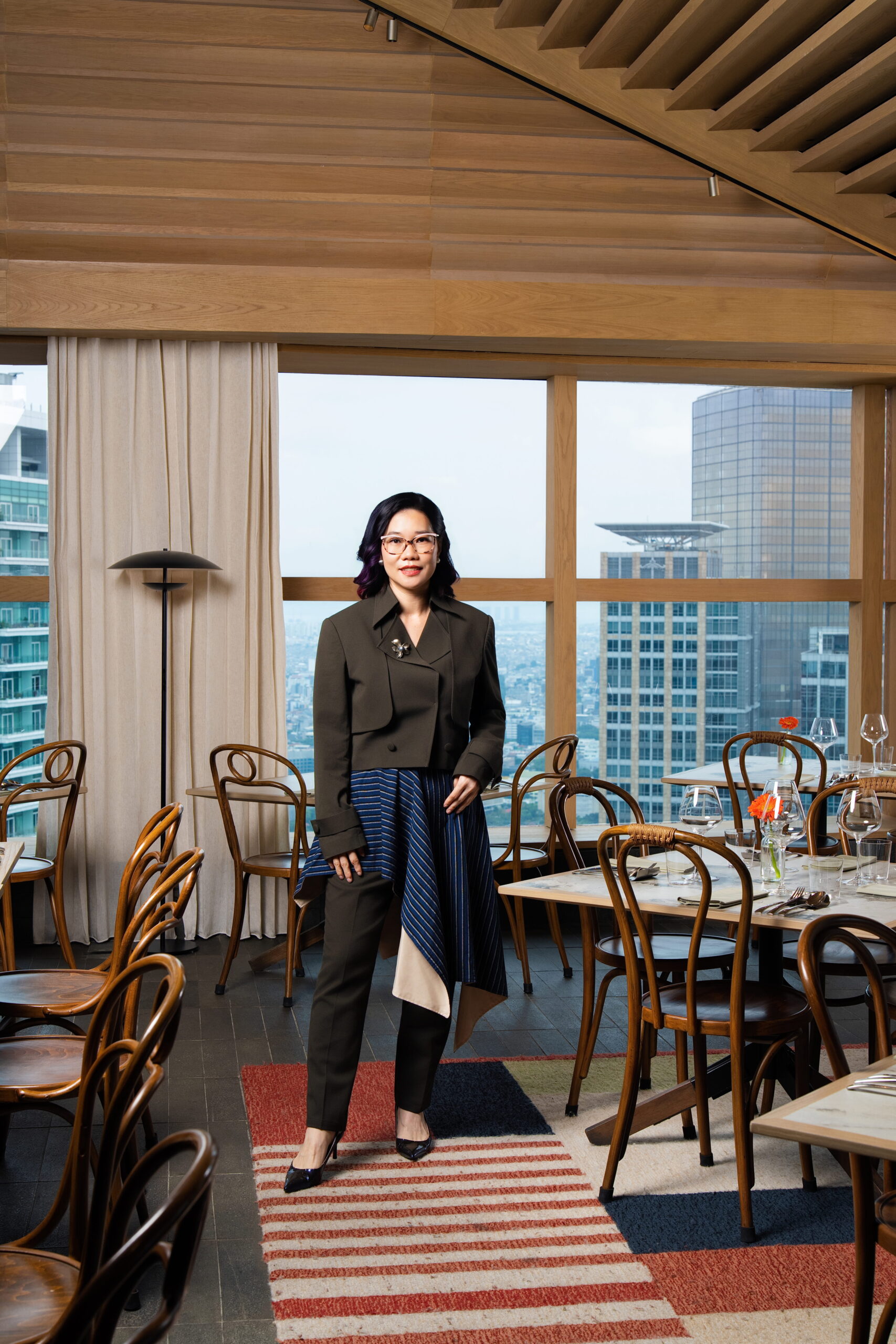
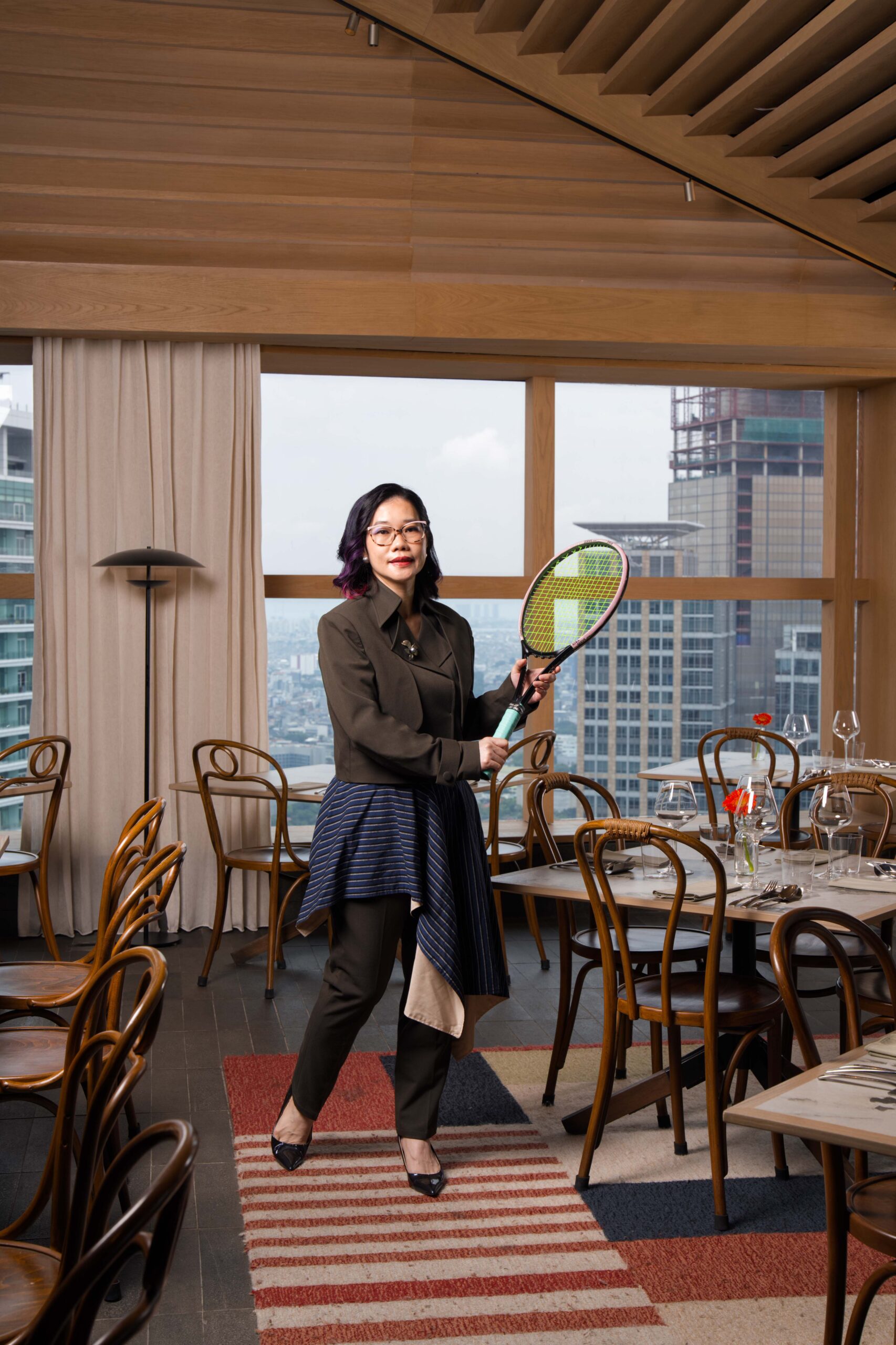
Cendyarani, President Director & CFO
For Cendyarani, President Director & CFO, leadership has never been about gender, but about readiness.
Her journey into leadership was shaped not by competing for established roles, but by stepping into uncertain situations—spaces where businesses needed rebuilding and teams required direction. These were environments without clear answers, where leadership was formed through action rather than theory.
That experience continues to define her approach today: direct, structured, and grounded in clarity. She emphasises that teams perform best when expectations are clear, trust is established, and individuals are given the space to take ownership.
A People-Centred Approach
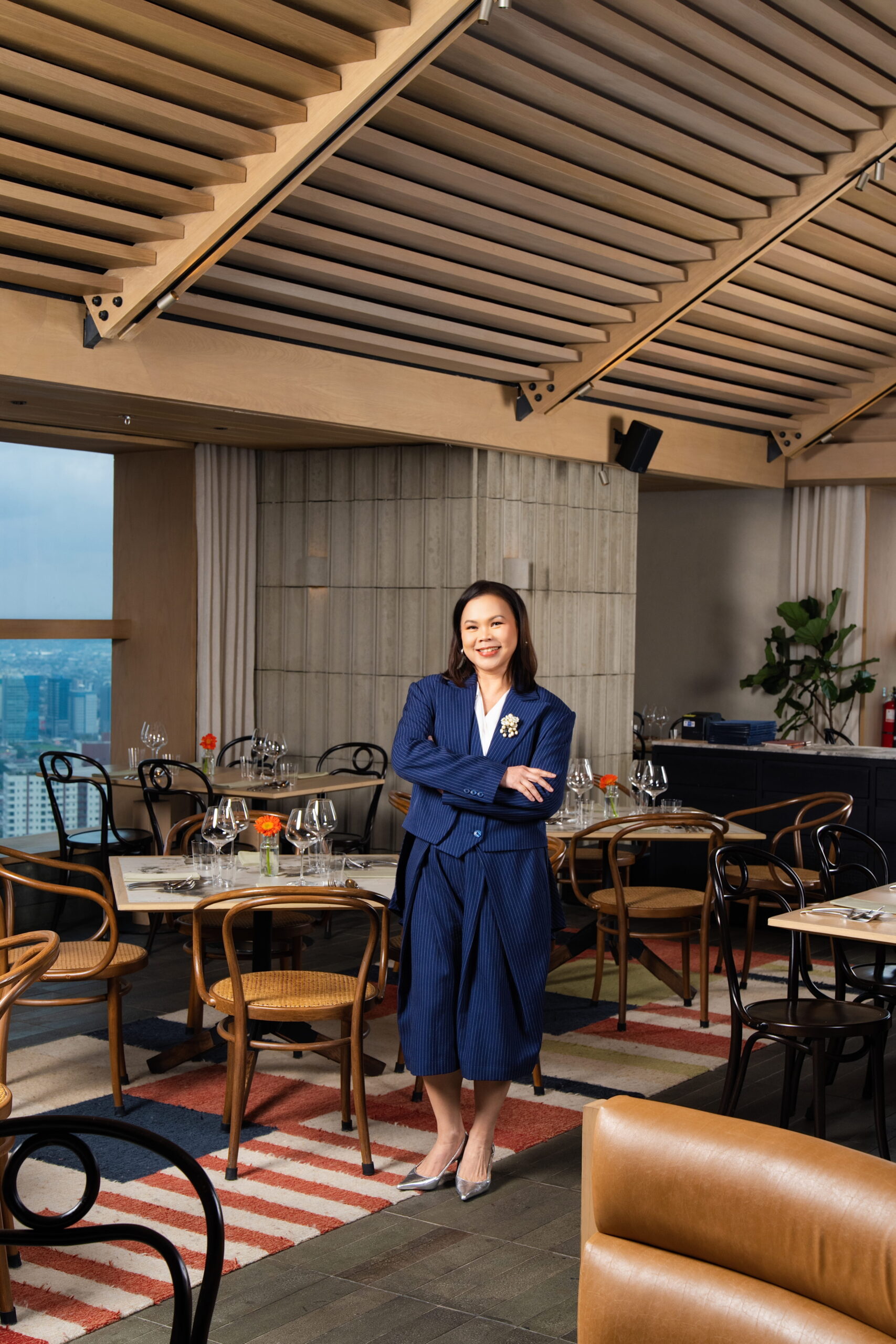
Rika S. Jatnikaningsih, HR Director
This grounded leadership philosophy extends across the organisation.
For Rika S. Jatnikaningsih, HR Director, leadership begins with understanding people at a human level—recognising that behind every role is an individual navigating growth, expectations, and change.
In this sense, leadership becomes less about authority and more about enabling others to develop within the organisation.
Ownership, Trust, and Execution

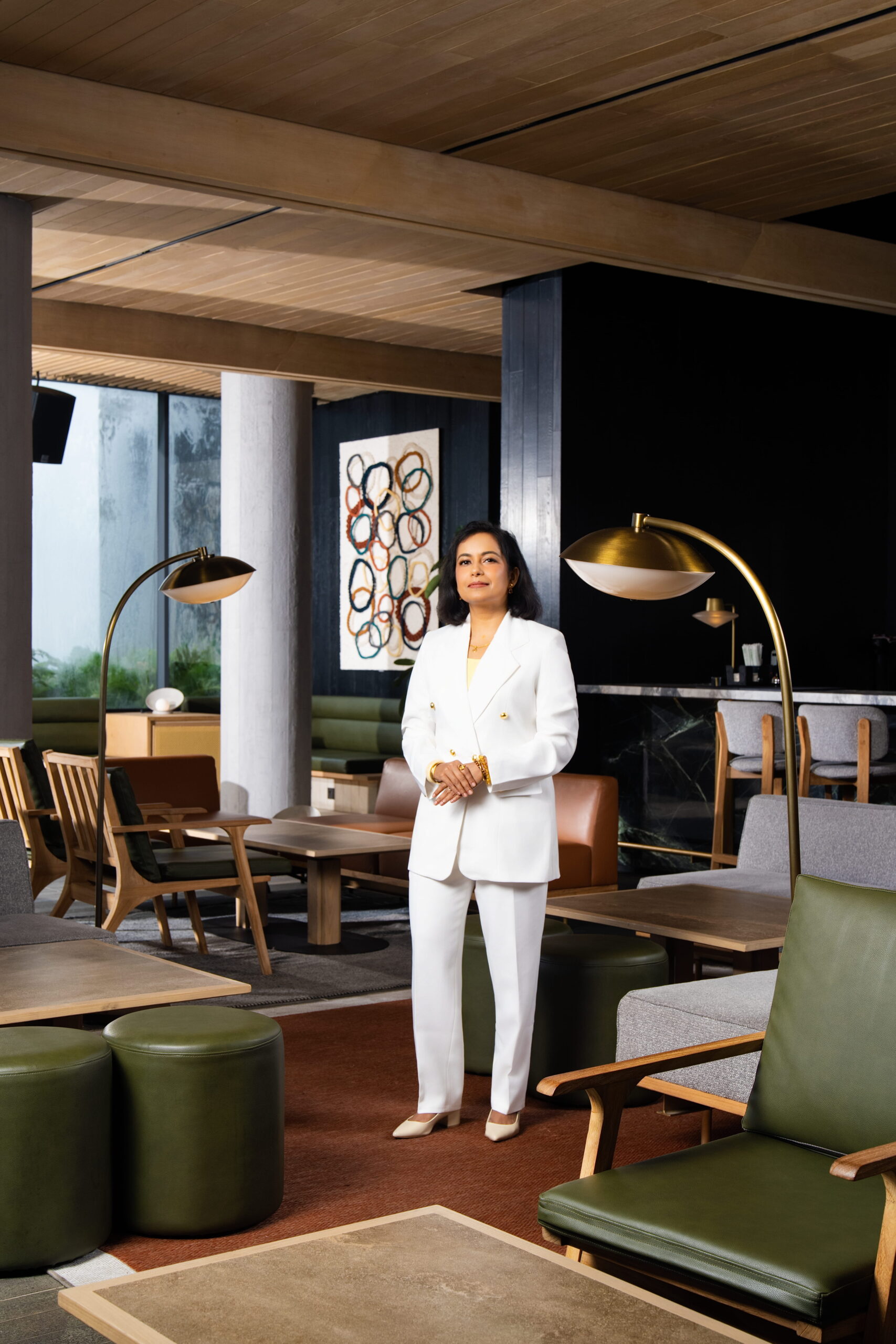
Davleena Sashital, Director of Marketing behind ISMAYA’s Restaurant Concepts
Across different functions, leadership takes on varied yet connected forms.
Devleena Sashital, Director of Marketing (Restaurant Concepts), approaches leadership through ownership and trust—setting clear standards while allowing teams the autonomy to deliver.


Anggun Melati, Senior VP of ISMAYA Lifestyle (left), Diana Abbas, Operations Director of ISMAYA Lifestyle (centre), and May Wiji Astuti, Senior VP of ISMAYA Restaurant (right)
Anggun Melati, Senior Vice President Marketing (Lifestyle Concepts), brings a more intuitive dimension, focusing on understanding how people live and connect, and translating those insights into meaningful brand experiences.
Meanwhile, Diana Abbas, Operations Director (Lifestyle Concepts), operates in an environment where decisions must be made quickly, often without complete information. Her leadership reflects adaptability—prioritising action, adjustment, and continuity over perfection.
On the restaurant side, May Wiji Astuti, Senior Vice President Operations (Restaurant Concepts), ensures that strategic direction translates into consistent customer experiences across outlets, balancing structure with operational agility.
The Systems Behind the Business
Leadership is equally critical in functions that operate behind the scenes.
Villisia Yolanda, Senior Vice President of Supply Chain, leads complex systems that keep the business running seamlessly. Her role requires decisiveness and the ability to respond quickly to changing conditions.
Vilisia Yolanda, Senior VP of ISMAYA Supply Change (left), and Martha M. Tambunan, VP Market Expansion (right)
At the same time, Martha M. Tambunan, Vice President Market Expansion, focuses on future growth—identifying opportunities, entering new markets, and navigating uncertainty with strategic confidence.
Navigating Doubt and Redefining Balance
Across these leadership journeys, there are shared experiences that often remain unspoken. Moments of doubt naturally arise when stepping into larger roles.
However, rather than waiting for certainty, progress is driven by execution. Delivering results gradually replaces uncertainty with confidence.
The concept of balance also evolves. Instead of striving for a perfect equilibrium, leaders learn to integrate different aspects of life—allowing work and personal priorities to coexist in a sustainable rhythm.
A New Normal in Leadership
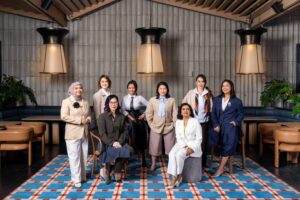
The Kartini behind ISMAYA Group: The face of transformation of leadership
Ultimately, the transformation is not defined by bold declarations, but by consistent, lived progress.
At ISMAYA Group, women in leadership are not framed as milestones or exceptions—they are simply part of how the organisation operates.
And when leadership becomes this natural, it reshapes expectations. The next generation no longer has to imagine what is possible—they can already see it.