Cenderawasih Bay National Park in West Papua has been named one of The World’s Greatest Places of 2026 by TIME magazine, placing one of Indonesia’s largest marine conservation areas on a global stage.
Located in Teluk Wondama Regency, the national park is the only destination from Indonesia included in this year’s list. It appears alongside international attractions such as Surf Abu Dhabi and the Netflix House in Philadelphia. The annual list is curated through nominations from hotels, cruise operators, restaurants, tourist attractions, museums, and parks worldwide.
In its statement, TIME highlighted the bay’s distinctive marine encounters. “If swimming next to a 25-foot whale shark is an awe-inspiring experience, what about being surrounded by seven whale sharks? That rare prospect is what draws tourists to Cenderawasih Bay National Park,” the publication stated on Thursday (9 April 2026).
The recognition reflects growing international attention on Eastern Indonesia, which continues to attract visitors for its marine biodiversity and relatively undisturbed ecosystems.
Marine Biodiversity and Whale Shark Habitat
Cenderawasih Bay National Park spans approximately 1.4 million hectares, consisting of around 68,000 hectares of land and 1.3 million hectares of marine area. The waters are known for their biodiversity, with the World Wildlife Fund (WWF) recording around 500 coral species and 950 species of reef fish in the area.
The bay is also recognised as a habitat for whale sharks (Rhincodon typus), the world’s largest fish species. According to available data, these animals can grow up to eight metres in length and are frequently observed in the park’s waters.
Despite their size, whale sharks are plankton feeders. The Ministry of Forestry states that Rhincodon typus feeds primarily on plankton and poses no threat to humans. The species is also known as the spotted shark, referring to the distinct pattern on its body.
Authorities emphasise that interaction with marine life must follow conservation regulations. Visitors are prohibited from touching whale sharks, as the national park’s protected status requires all activities to prioritise environmental preservation.
@bbtn_telukcenderawasih Taman Nasional Teluk Cenderawasih adalah simbol harapan bagi laut Indonesia, tempat perlindungan bagi keanekaragaman hayati laut yang luar biasa, di mana upaya konservasi yang berkelanjutan dan kolaborasi berbagai pihak terus dilakukan untuk menjaga ekosistem laut, melindungi spesies rentan, dan memastikan warisan alam ini tetap lestari bagi generasi mendatang. ___ #tamannasionaltelukcenderawasih #TheHomeofWhaleSharks #rimbawan #kementeriankehutanan ♬ original sound – bbtn_telukcenderawasih
Island Landscape and Regulated Tourism Activities
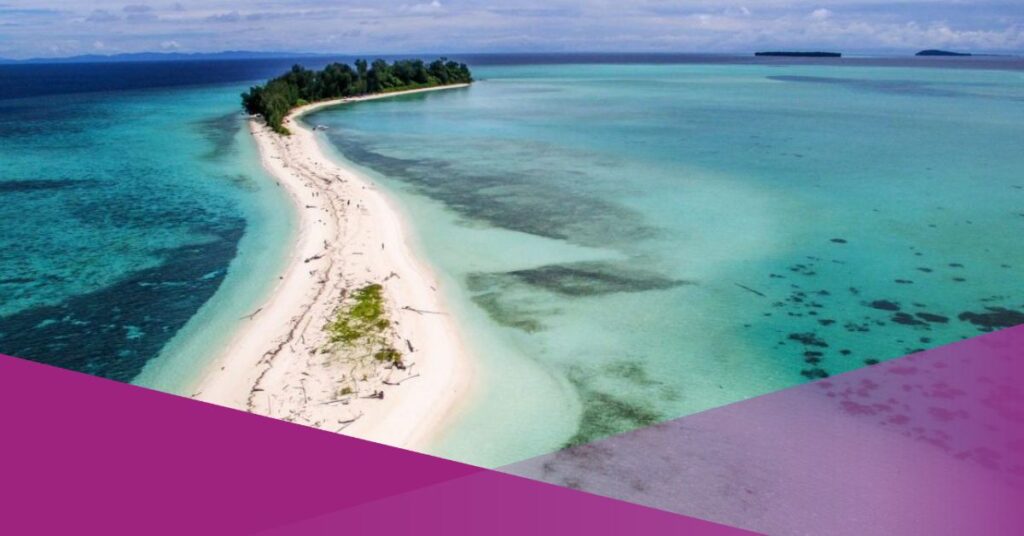
In addition to its marine ecosystem, the park includes a number of small islands and coastal forests that support endemic wildlife. Approximately 55,800 hectares of land area consist of islands and forested coastline.
Several islands are accessible to visitors, including Yoop, Mioswaar, Roon, Rumberpon, and Nusrowi. These locations provide entry points for diving and marine observation activities.
Tourism activities in the park are managed through guided trips. Visitors can join either open or private tours, with guides providing instructions to ensure safety and compliance with conservation rules. This includes maintaining distance from wildlife and avoiding disruptive behaviour.
The presence of whale sharks in relatively consistent numbers has contributed to the park’s appeal among divers. However, officials continue to stress that all interactions must be conducted responsibly to protect both visitors and marine species.