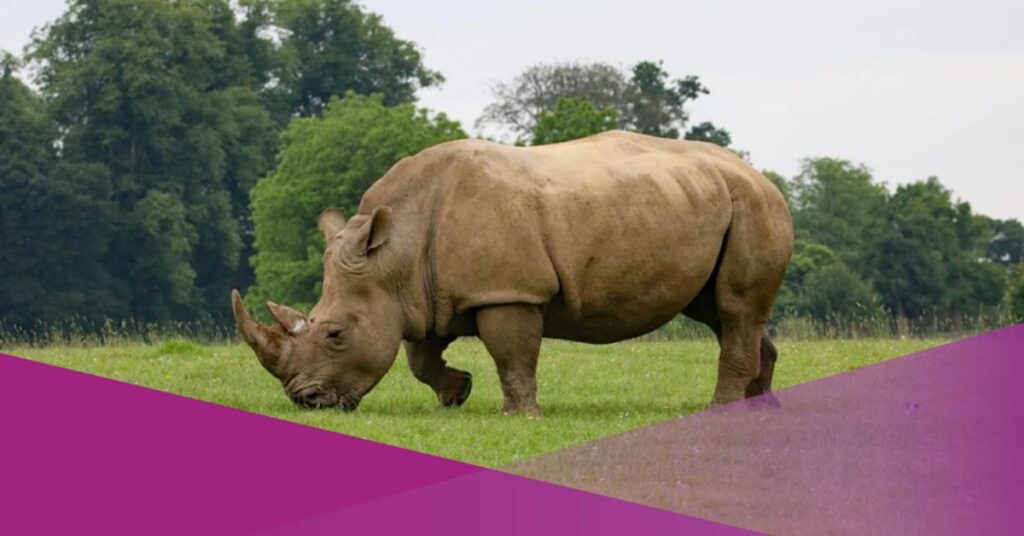
Indonesia’s proposal to relocate some of the world’s remaining Javan rhinos (Rhinoceros sondaicus) from Ujung Kulon National Park in Banten to Alas Purwo National Park in East Java has prompted debate among conservation experts, government representatives and local stakeholders.
The proposal was raised by Hashim Djojohadikusumo, President Prabowo Subianto’s younger brother and Special Presidential Envoy for Climate and Energy. He suggested establishing a second habitat to reduce the risk of the species becoming extinct following a major natural disaster, particularly a tsunami linked to volcanic activity around the Sunda Strait.
The idea gained attention after Hashim discussed the proposal at the 31st United Nations Climate Change Conference (COP31) in Antalya, Türkiye. However, the Forestry Ministry has clarified that Alas Purwo remains a potential location under consideration. No final decision has been made regarding the site or the relocation itself.
The proposal has also drawn opposition from the Banten Sultanate, while experts have warned that moving the animals could create additional risks if their biological and ecological needs are not properly assessed.
Why Indonesia Is Considering a Second Habitat for Javan Rhinos
All remaining wild Javan rhinos are currently found in Ujung Kulon National Park, making the species highly vulnerable to threats affecting a single geographical area.
According to a February 2026 assessment by the IUCN SSC Asian Rhino Specialist Group, fewer than 50 individuals remain. The population also faces challenges involving genetic diversity, breeding opportunities and the risk of inbreeding.
Natural disasters are another concern. Ujung Kulon’s location near the Sunda Strait exposes the population to potential tsunamis, earthquakes and volcanic activity, including hazards associated with Anak Krakatau.
A second habitat could help reduce the risk of losing the entire wild population in a single disaster. However, conservation experts say establishing a new population requires more than finding another suitable forest.
Prof Ronny Rachman Noor, an ecological genetics expert at IPB University, said the idea of a second population was reasonable as a long-term conservation measure. He nevertheless warned that relocation must be carefully planned.
“In conservation, a backup population reduces the risk of extinction,” Quoted from the IPB University website, Wednesday (18 November 2026).
He also highlighted the biological challenges involved in moving the animals. Javan rhinos have adapted to Ujung Kulon’s environment over hundreds of years, including its food sources, water conditions, humidity and vegetation.
According to Ronny, differences in food types, soil minerals, microorganisms and vegetation at a new location could affect their health. Environmental changes could also cause prolonged stress, potentially affecting their immune systems, appetite and reproductive capacity.
Ujung Kulon’s Conservation Challenges Remain
While a second habitat could provide an additional layer of protection, conservation concerns in Ujung Kulon remain unresolved.
A 2015 Population and Habitat Viability Assessment identified several threats to the rhinos, including limited habitat capacity, invasive vegetation and competition with Javan banteng. One particular concern is the spread of langkap (Arenga obtusifolia), a palm species that can dominate forest areas and restrict the growth of other plants used as food by rhinos.
Illegal hunting is another significant threat. The IUCN SSC Asian Rhino Specialist Group reported that 26 Javan rhinos were poached between 2019 and 2023. The small remaining population also faces genetic challenges, including possible imbalances between males and females and difficulties finding suitable breeding partners.
These issues have raised questions about whether improving the existing habitat should receive greater attention alongside plans for relocation.
The 2017 research published in Conservation Letters examined the risks of keeping the entire population in one location and considered the possibility of establishing a second population. However, it also highlighted the need to assess the potential benefits and risks of translocation.
The Forestry Ministry has said that the suitability of Alas Purwo must be established through scientific research. Assessments should cover its ecosystem, food and water availability, habitat capacity, disease risks, security and long-term management.
Ronny also stressed that successful relocation should not be measured simply by the number of animals moved. Their ability to survive, adapt and reproduce in the new environment must be considered.
DPR Calls for Further Assessment as Banten Sultanate Objects
The proposal has also prompted responses from Indonesia’s House of Representatives (DPR) and the Banten Sultanate.
DPR Deputy Speaker Saan Mustopa said the proposal would require further discussion involving relevant parliamentary committees, government ministries and regional authorities. He said Commission IV, which oversees forestry and environmental affairs, would be involved in examining the advantages and disadvantages of relocating the animals.
The discussions would also involve the Pandeglang Regency and Banten provincial governments, given that Ujung Kulon is the species’ only remaining natural habitat.
“We will examine the pros and cons of the proposal to relocate the Javan rhinos,” Saan said on 17 November, as quoted from DetikNews.
Meanwhile, the Banten Sultanate has formally rejected the proposed relocation. Sultan Syarief Muhammad Ash-Shafiuddin, the 18th Sultan of Banten, sent an official letter to President Prabowo Subianto expressing the institution’s opposition to moving some of the rhinos to East Java.
The letter, numbered 021/Pres-TN/KB/XI/2026, was also copied to several government officials, including the ministers of Environment, Tourism and Home Affairs, the Governor of Banten and the head of Ujung Kulon National Park.
The Sultanate considers the Javan rhino an important part of Banten’s historical and cultural identity. It argues that moving the animals outside the province would affect a symbol associated with the region’s heritage and pride.
In its statement, the Sultanate declared that it officially “rejects and does not agree” with the proposed relocation.