Bali Expat Lifestyle: Why Foreigners Are Choosing to Live, Work, and Find Balance on the Island
Bali is no longer seen solely as a travel destination. In recent years, the island has evolved into a place where many foreigners embrace an active, healthy, and balanced way of life. Beyond its natural beauty, Bali offers an environment that combines physical activity, mental well-being, and a strong sense of community.
The Bali expat lifestyle reflects broader global changes, particularly the rise of remote work and the increasing importance of quality of life.
Foreign residents, including digital nomads, entrepreneurs, retirees, and remote workers, are drawn to the island not only for its scenery but also for its supportive infrastructure and lifestyle opportunities.
Expat Lifestyle in Bali, Indonesia
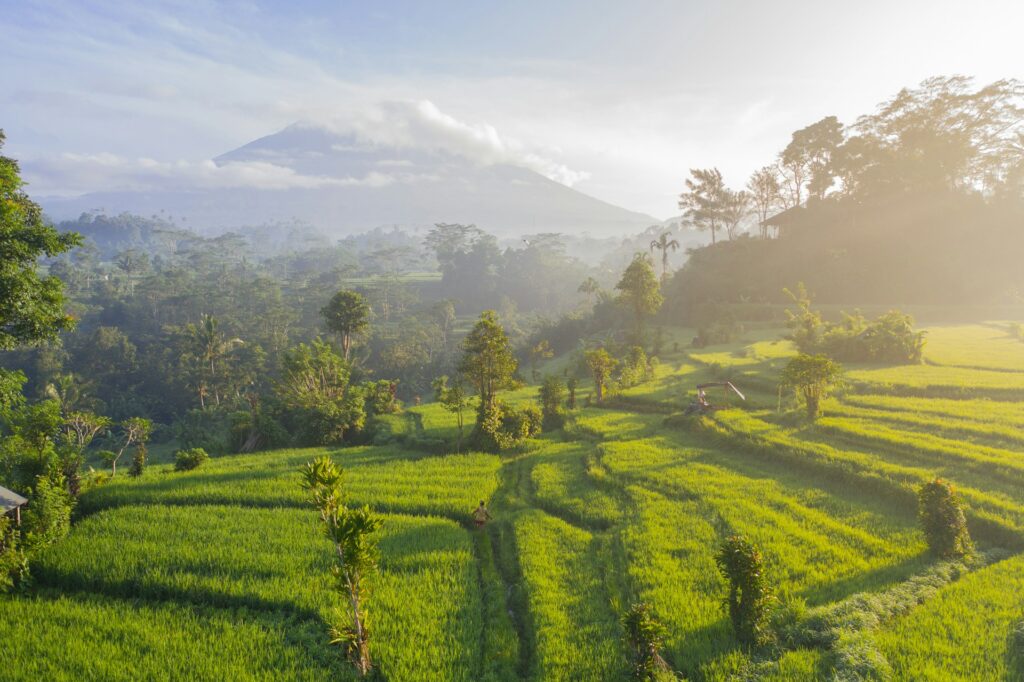
Bali has developed a reputation as a place where active living is integrated into everyday life. The island’s natural environment supports a wide range of physical and wellness activities throughout the year.
Surfing remains one of the most popular activities, particularly in coastal areas such as Canggu and Uluwatu. Hiking and cycling are also common, especially in the cooler highland areas around Ubud and Mount Batur.
Yoga and meditation, rooted in both global wellness trends and local spiritual traditions, are widely practised by expats and visitors alike.
These activities are not limited to leisure. For many expats, they form part of a daily routine that supports both physical health and mental well-being. There’s multiple options for whatever your style: weight gyms, yoga studios; crossfit centers, padel, and many more.
The combination of outdoor exercise, access to healthy food, and a slower pace of life contributes to a lifestyle that many describe as more balanced than in major urban centres.
Digital Nomads and Remote Workers Reshaping Bali
The growth of remote work has significantly influenced the Bali expat lifestyle. Areas such as Canggu, Ubud, and Seminyak have become hubs for digital nomads and remote professionals.
The island of Bali, especially Canggu, is increasingly populated by international digital nomads. These tech workers, who can work from anywhere, are often portrayed as a symbol of work freedom and an ideal lifestyle that many aspire to.
It is estimated that around 30,000 international digital workers contribute to the economic activity of Canggu and other parts of Bali. Their presence has encouraged the development of coworking spaces, cafés with reliable internet connections, and accommodation tailored to long-term foreign residents.
With advantages such as an affordable cost of living, an established expat community, and a more relaxed daily rhythm, Bali offers a lifestyle that many say is difficult to achieve in large global cities.
Daily Routine and Lifestyle in Bali for Expats
Slower Pace and Better Work-Life Balance
One of the most frequently cited reasons foreigners remain in Bali is the slower pace of life. Expats from large cities in Europe and North America often describe feeling exhausted by highly competitive and fast-moving urban environments.
In Bali, daily life follows a more flexible rhythm. The concept of “Bali Time” reflects a cultural approach to time that prioritises balance rather than urgency. This allows residents to organise their schedules around both professional responsibilities and personal well-being.
Morning routines commonly include exercise, meditation, or a walk outdoors, followed by remote work from home, coworking spaces, or cafés. After work, many expats participate in social activities, wellness classes, or community events.
Yoga, meditation, and mindfulness practices are widely available and easily accessible, making them a normal part of daily life rather than occasional activities.
What it’s Like Living in Bali as a Foreigner

The Bali expat lifestyle often incorporates wellness practices as part of routine self-care. Access to fitness facilities, healthy food, and natural environments supports this approach.
Many expats begin their day with exercise, followed by work and regular breaks. Simple daily habits, such as enjoying fresh meals, spending time outdoors, and taking a relaxing shower after physical activity, contribute to a healthier and more balanced routine.
Healthy food options, including vegetarian and vegan meals, are widely available and relatively affordable. This accessibility makes it easier for residents to maintain healthy habits consistently.
Strong Community Support and Social Integration
Bali’s international community plays a significant role in helping newcomers adapt. Expats can connect through coworking spaces, professional networks, and social gatherings.
Whether in Ubud, Canggu, or Seminyak, there are numerous opportunities to meet others with similar backgrounds or interests. This reduces the sense of isolation often experienced by foreigners living abroad.
Online communities also support expats by providing information on housing, legal requirements, and local services. Groups such as Social Expats and other digital platforms facilitate networking and information sharing.
This environment allows foreign residents to remain productive while building meaningful social connections.
Cost of Living and Financial Accessibility
Another major factor contributing to the popularity of the Bali expat lifestyle is affordability.
Compared with many Western countries, the cost of living in Bali is significantly lower. Based on expat experience, a monthly budget of approximately USD 1,000 to USD 1,500 is often sufficient for a comfortable lifestyle.
Housing costs vary depending on location and property type, but renting a private villa in Bali can sometimes cost less than renting a small apartment in a major city abroad. Food, transportation, and services are also generally more affordable.
This financial accessibility allows many expats to maintain a comfortable standard of living while reducing financial pressure.
Expat Experience Living in Bali: Cultural Environment and Emotional Well-Being
Beyond financial and practical factors, Bali offers culture experiences that contribute to emotional well-being.
The Balinese spiritual life and welcoming attitude towards foreigners help many expats feel accepted and safe. Cultural events such as Galungan and Nyepi provide opportunities to experience local traditions directly.
Many foreigners describe Bali as a place where they feel peaceful and able to focus on personal growth and mental health.
How Foreigners Live in Bali legally: Visa Options

Living in Bali legally requires the appropriate visa, depending on the purpose and duration of stay.
Legal visas in Bali for expats vary depending on their plans. These include short-term tourist visas, medium-term visit visas, and long-term residence permits.
Short-Term Stay Options
Visa on Arrival (VoA)
Valid for 30 days and extendable once. This visa is suitable for short visits and explore the island as a tourist.
e-Visa Visit (B211A)
Valid for 60 to 180 days and extendable. This visa is suitable for tourism, business meetings, and social visits.
Long-Term Stay Options
Work KITAS (Index 312 / E33G)
This visa is for foreigners officially employed by Indonesian companies or eligible remote workers with qualifying income.
Investor KITAS (Index 313/314)
Designed for foreign investors who establish or invest in companies in Indonesia.
Retirement KITAS (Index 319)
Available for foreigners aged 55 and above who wish to retire in Indonesia.
Multiple Entry Visa (D12)
Allows multiple entries over one to five years, with each stay lasting up to 60 or 180 days.
Second Home Visa
Intended for foreigners seeking long-term residence, particularly retirees or investors, although it does not permit employment. Also perfect for family.
Each visa has different eligibility criteria, documentation requirements, and permitted activities. Choosing the correct visa is essential for legal and long-term life in Bali.
People Also Ask (PAA)
1. Is Bali a good place for expat to live?
Yes, Bali is considered one of the most popular destinations for foreigners due to its affordable living costs, strong international community, and remote work infrastructure.
2. How much money do expats need to live comfortably in Bali?
A monthly budget of USD 1,000 to USD 1,500 is sufficient for comfortable living, depending on lifestyle and accommodation.
3. Where do most expats live in Bali?
Popular expat areas include Canggu, Ubud, Seminyak, and Uluwatu.
Photo cover: Canva