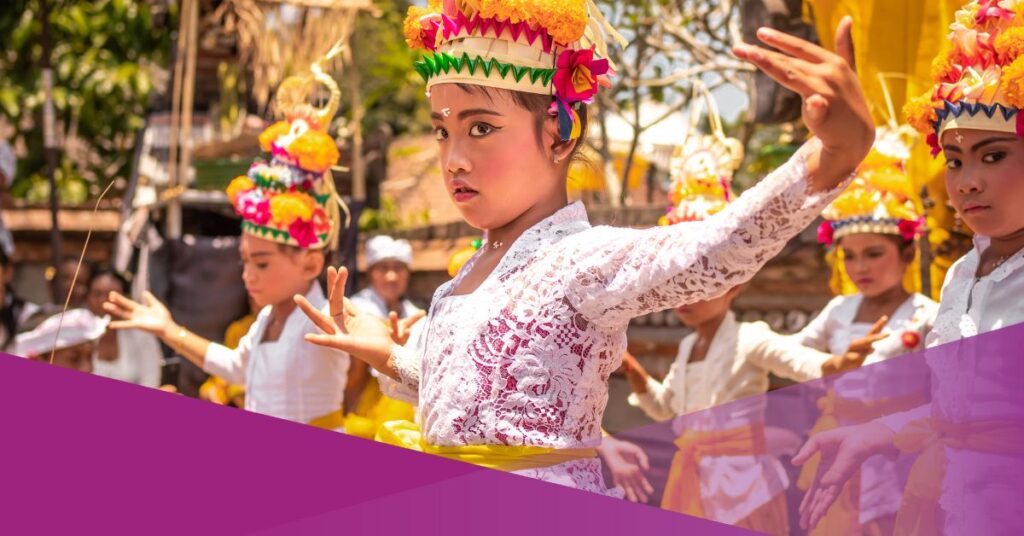
In Bali, Indonesia, there is a deeply spiritual belief that every child is born with four unseen companions, known as Kanda Pat or Catur Sanak.
These four companions are not mere concepts; they are spiritual guides that accompany a Balinese child throughout their life. From birth to death, they influence a person’s physical and psychological well-being, affecting their health, success, and happiness.
This belief is fundamental in Balinese Hinduism. Balinese believe where the spiritual world plays an integral role in daily life.
The Kanda Pat, often referred to as “four siblings,” are closely tied to the elements of the human body and its journey through life.
The Meaning of Kanda Pat: Four Siblings Accompanying a Balinese Child
Lihat postingan ini di Instagram
The term Kanda Pat comes from two Sanskrit words: Kanda meaning “friend” or “brother,” and Pat meaning “four.“
These four siblings are believed to be born with the human spirit, accompanying them from the moment in the mother’s womb, born as baby’s and until their death. The four elements that make up Kanda Pat are:
- Yeh Nyom (amniotic fluid)
- Getih (blood)
- Lamas (skin fat or umbilical cord)
- Ari-Ari (placenta)
Each of these elements plays a crucial role in the development of the fetus in the womb, ensuring the child’s safe birth.
These elements are not merely biological; in Balinese culture, they are considered spiritual entities that help sustain and protect the individual throughout their life.
Yeh Nyom (Amniotic Fluid): The Protector of Life
Amniotic fluid, or Yeh Nyom, is the first of the four elements that accompany a child. From the third month of pregnancy, it serves as a protector by cushioning the fetus from external shocks and keeping harmful substances at bay.
Yeh Nyom is also believed to aid in the opening of the birth canal during delivery. This element is considered the “way-opener”, symbolising the first step of the child’s journey into the world.
Getih (Blood): The Life Force
Blood, or Getih, is central to life and plays a vital role in the nourishment and development of the fetus. It transports essential nutrients and oxygen from the mother to the child, ensuring the fetus’s growth and health.
In Bali culture, blood is seen as the life force, and it is revered for sustaining the child’s body from the womb to adulthood.
The role of Getih extends beyond birth, it is believed to guide the individual throughout their life, aiding in physical and spiritual growth.
Lamas (Skin Fat or Umbilical Cord): The Bodily Protector
Lamas, or the fat formed under the skin during pregnancy, is the third element in Kanda Pat. It is considered the “protector” that ensures the fetus develops properly by providing nutrients for the skin, bones, and muscles.
As the body’s physical protector, Lamas also aids in the safe birth of the child, ensuring the body is well-formed and intact.
Ari-Ari (Placenta): The Link Between Mother and Child
The Ari-Ari, or placenta, is the fourth element of Kanda Pat.
It functions as a lifeline between the mother and the child during pregnancy, transferring nutrients and oxygen from the mother to the fetus while also expelling waste.
Once the child is born, the Ari-Ari is believed to transform into Sang Suratman, a spiritual entity responsible for recording the life journey of the individual.
It also plays a role in the afterlife, with its transformation marking the beginning of the spiritual journey after death.
Bali Rituals and Offerings to Honour Kanda Pat
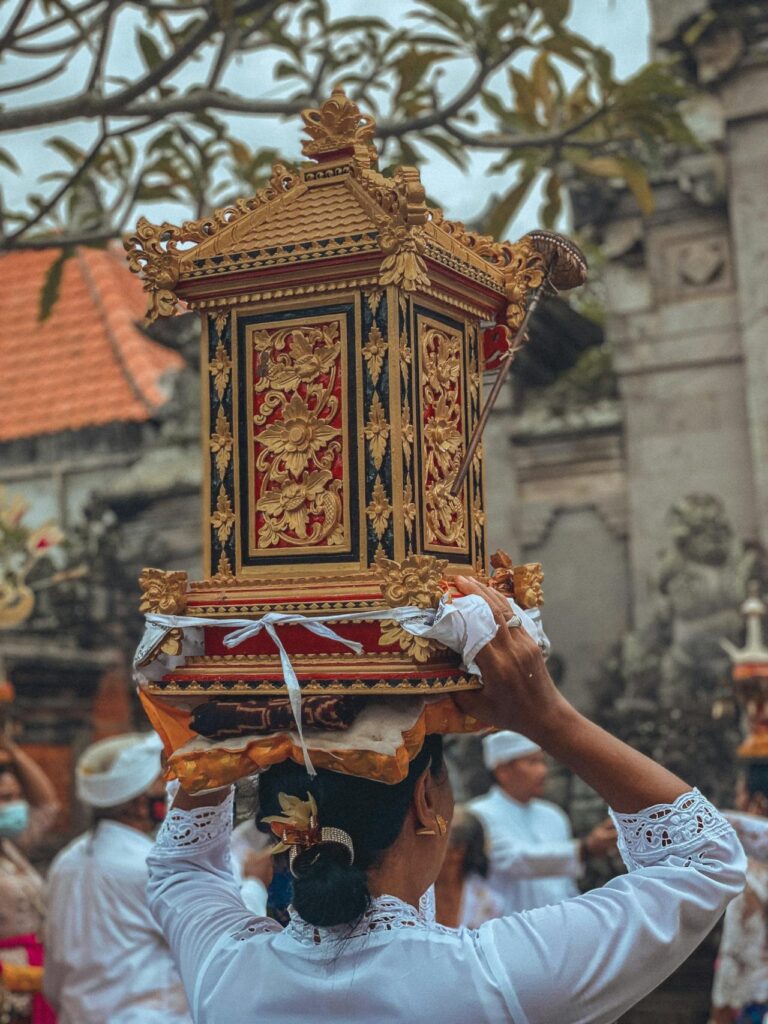
In Balinese Hinduism, it is essential to show gratitude and respect to Kanda Pat, as these elements played a crucial role in the birth and life of every individual.
The offerings made to these spiritual siblings are a form of gratitude for their protection and guidance.
Pelangkiran and Banten Saiban: A Symbol of Gratitude
One of the most significant offerings made to Kanda Pat is Pelangkiran, a statue-like representation of the four siblings.
It is typically placed in a Hindu room, where it is honoured with offerings such as daksina lingga and pejati (a type of traditional offering).
Banten Saiban, another form of offering, is made before eating to ensure that Kanda Pat remains present and does not disturb the individual’s wellbeing during meals.
Offering Before Travel: A Sign of Protection
Before embarking on a journey, Balinese people often offer prayers to Kanda Pat. These prayers are a way of asking for protection during travel and to avoid any disturbances from these spiritual companions.
A common practice is to bring small offerings or food to temple, signifying a connection with Kanda Pat during the journey.
The Significance of Kanda Pat in Balinese Culture
Kanda Pat is not just a spiritual belief but a core part of Balinese culture.
The rituals surrounding it ensure a deep connection with the spiritual world, protecting individuals from harm and guiding them through life’s challenges.
In the context of Balinese children, Kanda Pat serves as a spiritual guide from the very moment of birth, and this guidance continues through significant life events, such as traditional marriages and cremation ceremonies.
The concept of Kanda Pat also aligns with the teachings of Tri Hita Karana, a Balinese philosophy that emphasises the importance of maintaining harmony between humans, nature, and the divine.
By acknowledging and offering to the four siblings, Balinese people maintain a balanced relationship with both the seen and unseen forces that shape their lives.