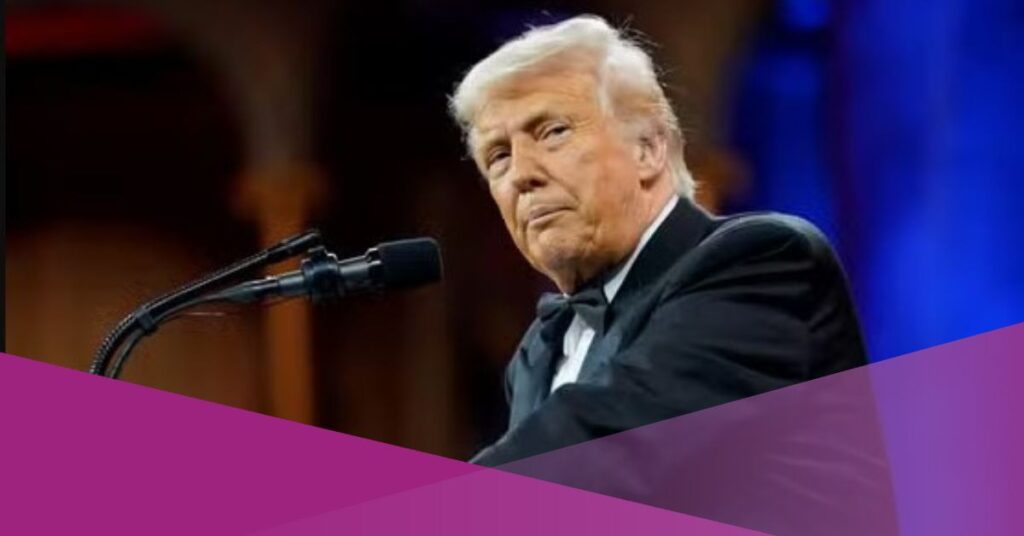
JAKARTA, 10 April 2025 – In a surprise move this week, former United States President Donald Trump announced a 90-day delay on the second wave of import tariffs originally set to take effect on Wednesday, 9 April. The postponement will apply to 75 countries, including Indonesia and Vietnam, but excludes China, which now faces a significant tariff hike.
Though the tariff implementation is delayed, a minimum import duty of 10% will still be imposed during the three-month grace period, down from previously higher rates. For Indonesia, the rate drops from 32% to 10%. Similarly, Vietnam will see its rate reduced from 34% to 10%.
In a statement posted on his Truth Social account on Thursday (10 April), Trump explained the reason behind the decision. “Because these countries have not retaliated against the United States, I have authorised this 90-day delay and a significant reduction in reciprocal tariffs during this period. The 10% tariff will take immediate effect,” he stated.
Trump cited diplomatic goodwill and active interest in negotiations as key motivations behind the delay. According to the former president, several countries had reached out to the U.S. Trade Representative (USTR), Department of Commerce, Department of Treasury, and other relevant agencies to seek dialogue on pressing trade matters—including tariffs, trade barriers, currency manipulation, and non-monetary tariffs.
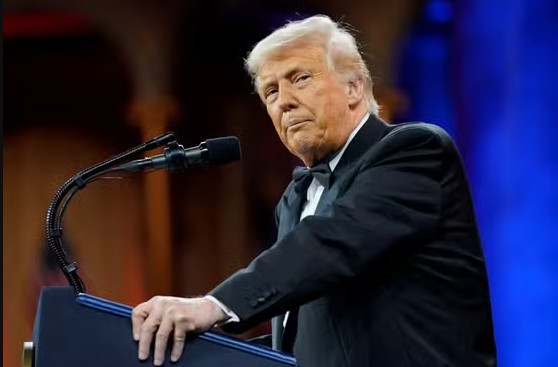
China Faces Heavier Penalties
While most countries benefit from this temporary reprieve, China has instead seen tariffs escalate dramatically. Trump raised import tariffs on Chinese goods to a staggering 125%—up from the previous 104%. This rate reflects several rounds of increases that have occurred over time: the first at 20%, followed by 34%, and a retaliatory jump to 50% in response to China’s refusal to engage in negotiations.
Trump defended the dramatic increase, citing what he called China’s persistent unfair trade practices. “Due to the lack of respect shown by China towards the global marketplace, I am hereby raising tariffs on Chinese goods to 125%, effective immediately,” Trump wrote.
He added that the growing U.S. trade deficit with China—reaching as high as USD 1 trillion—demands a firm response. The message is clear: unless China re-engages diplomatically, the economic pressure will intensify.
Indonesia’s Strategic Response
In response to the U.S. tariff policy, the Indonesian government, under the direction of President Prabowo Subianto, has chosen a diplomatic and strategic route. Rather than opting for retaliation, Indonesia is pursuing trade negotiations to resolve the issue through mutual benefit.
Recognising the United States as a vital strategic partner, Indonesia has outlined several key points in its negotiation framework:
- Increasing Imports of U.S. Goods
Indonesia plans to increase imports of essential commodities that are not yet widely produced domestically, such as wheat, soybeans, cotton, oil and gas, and semiconductors. This effort aims to create a more balanced trade relationship and address the deficit concern raised by the U.S. - Offering Fiscal and Non-Fiscal Incentives
To foster better economic cooperation, the Indonesian government is exploring the possibility of granting incentives for U.S. products. These may include reductions in import duties and tax benefits to make American goods more competitive in the local market. - Deregulating Non-Tariff Measures
Indonesia is also looking to ease some of its non-tariff regulations, especially those related to the Domestic Component Level (TKDN) in the ICT (Information and Communication Technology) sector. The move is expected to benefit U.S. tech giants such as Apple, Microsoft, Oracle, and General Electric (GE). In addition, authorities are reviewing restrictions related to limited prohibition regulations (Lartas) that may impact trade flows.
These steps form part of Indonesia’s broader commitment to maintaining open and fair trade relations, while safeguarding its own economic interests in the face of global protectionist policies.
Read more: Indonesia Responds to Trump’s Tariffs: Prabowo Sends Key Ministers to the US
What This Means for Expatriates and Businesses in Indonesia
For expatriate business owners and foreign investors in Indonesia, the current development could signal both caution and opportunity. The temporary tariff relief offers a window for smoother cross-border trade operations, especially for companies relying on U.S. imports.
Moreover, Indonesia’s proactive approach to diplomacy may foster a more predictable trade environment in the months to come. If successful, the negotiations could lead to long-term agreements that benefit not only large multinational corporations but also local businesses and entrepreneurs operating within global supply chains.
The Ministry of Trade has not released further details on the progress of the negotiations, but officials have reiterated that cooperation, not confrontation, is the path forward.
As the 90-day countdown begins, all eyes will be on Washington and Jakarta to see whether this brief pause in the trade war can evolve into a more stable and mutually beneficial relationship. For now, Indonesia appears to be taking the high road—hoping dialogue can outweigh duties.