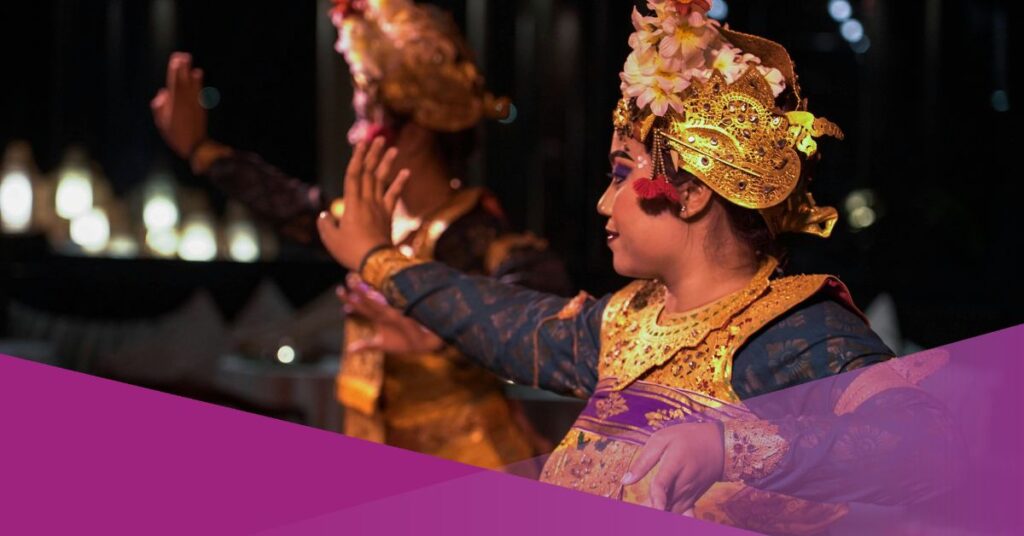
Traditional Balinese dances performance is a mesmerizing blend of storytelling, intricate movements, and colourful costumes, accompanied by the soulful melodies of the gamelan orchestra. One of the visitors’ most mesmerising experiences is witnessing the island’s traditional dances. These dances are not mere entertainment; they are a window into Bali’s rich history, deeply rooted in spirituality and storytelling.
Whether you’re a seasoned traveller or a first-time visitor, experiencing a Balinese traditional dance in Bali performance is a must-do. This article will be your guide exploring the diverse forms of Balinese dance, their cultural significance, and where to find the best performances.
Kecak, ‘The Fire Dance’ (Must-see Dance in Bali)
Lihat postingan ini di Instagram
Kecak, also known as the “monkey or fire dance,” is a mesmerizing spectacle featuring a chorus of male dancers chanting “cak” in rhythmic unison, accompanied by synchronized movements and dramatic storytelling. Originating from the Sanghyang trance dance, Kecak often retells episodes from the Ramayana, such as the abduction of Sita by the demon king Ravana. The rhythmic chanting and hypnotic movements create an immersive experience that transports audiences to another realm of dance of Bali.
Legong Dance
Legong Dance or Tari Legong (Tari means dance in the Balinese language) is perhaps the most iconic of Balinese dances, characterized by intricate footwork, delicate hand gestures, and elaborate costumes. It typically features young female dancers portraying celestial nymphs or palace maidens dance forms, accompanied by a gamelan orchestra. The Legong dance often tells stories of love, loyalty, and divine intervention, captivating audiences with grace and beauty as part of Balinese culture.
Barong and Kris Dance
The Barong and Kris Dance is a dynamic performance that depicts the eternal struggle between good (represented by the Barong, a mythical lion-like creature) and evil (portrayed by the witch Rangda). This dramatic entertainment dance narrative unfolds through a series of choreographed movements, culminating in a battle scene where the Barong dance drama triumphs over Rangda, symbolizing the sacred dance of the eternal cycle of life and death.
Joged Bumbung
Joged Bumbung is a lively and playful dance performed during festive occasions and social gatherings. It features a female dancer (joged) enticing male participants from the audience to join her on stage, accompanied by the upbeat rhythms of bamboo instruments known as bumbung. This interactive Joged dance reflects the jovial spirit of Balinese culture and encourages audience engagement and participation.
Pendet Dance
Pendet is a ceremonial Balinese people dance performed as a gesture of welcome and hospitality during temple rituals and religious ceremonies. Many Balinese dancers gracefully move in unison, scattering flower petals as offerings to the gods. Pendet exemplifies the spiritual devotion to dance movements and reverence deeply ingrained in Balinese culture, inviting participants to connect with the divine through movement and ritual.
Baris Dance
@tvribali_official Tari Baris Tunggal menggambarkan sosok prajurit Bali dengan gerak tegas dan ekspresi penuh wibawa. Sebuah ekspresi keberanian dalam gerak, yang terus diwariskan sebagai kekayaan budaya Nusantara. Yuk, lestarikan Tari Baris Tunggal untuk generasi masa depan. #LestarikanBudaya #TariBarisTunggal #BudayaBali #BanggaBudayaIndonesia #TVRIBali ♬ original sound – TVRI Bali Official
The next traditional dance from Bali is the Baris Dance, which originally developed as a sacred ritual performance. Over time, it has also evolved into a cultural performance that can be enjoyed by tourists visiting the Island of the Gods.
The Baris Dance tells the story of the courage and resilience of Balinese warriors. It is typically performed by eight to forty male dancers, whose choreography and movements symbolise the strength and discipline of a warrior. The performance is accompanied by traditional Balinese gamelan music, creating a powerful and dramatic atmosphere.
Janger Dance
Many Balinese dances portray stories, which makes them particularly fascinating for visitors. One example is the Janger Dance, which reflects the social interactions of young people in Bali.
This dance is usually performed by 10 to 16 pairs of male and female dancers. In addition to performing the choreography, the dancers also sing the song Janger and respond to each other through rhythmic chants.
Another unique feature of the Janger Dance is the difference in movement styles. Male dancers perform movements similar to the Kecak dance, while the female dancers perform the characteristic Janger movements. This contrast makes the performance lively and engaging to watch.
Panji Semirang Dance
The Panji Semirang Dance is another traditional Balinese performance that visitors can watch while travelling on the Island of the Gods. However, it is usually performed only during special occasions, such as cultural commemorations and religious ceremonies.
Introduced by I Nyoman Kaler in 1942, the dance also serves an educational purpose by telling a historical legend. It recounts the story of Princess Galuh Candrakirana of the Kadiri Kingdom, who falls in love with Prince Raden Inu Kertapati, the son of the King of Janggala.
In search of her beloved, Princess Galuh disguises herself as a man under the name Raden Panji. However, their love story is far from smooth, as Galuh Liku, who also loves Raden Inu, becomes a rival in the story.
To discover how the story of Raden Inu and Princess Galuh unfolds, visitors can watch the Panji Semirang Dance during traditional performances at several temples in Bali.
Margapati Dance
Another traditional dance that visitors can enjoy in Bali is the Margapati Dance. Like many Balinese performances, this dance carries a deep story and symbolic meaning behind its energetic movements.
Unlike the Panji Semirang Dance, which centres on romance, the Margapati Dance presents a dramatic and tense narrative about death. The strong expressions and dynamic choreography create a powerful atmosphere throughout the performance.
The intensity of the dance and the impressive movements of the performers make it a favourite among audiences. As a result, performances often attract enthusiastic crowds.
Rejang Dance
Rejang dance is a sacred dance performed in temple grounds or near offerings. The dancers are unmarried women (children or young girls), who dance in rows or circles in the temple courtyard surrounding the sacred place or where the pratimapratima (statues) are placed.
Rejang dancers generally wear traditional or ceremonial clothing, with gold flower decorations on their heads and other decorations according to the customs of their respective villages. Before performing, the rejang dancers are purified with various offerings.
If you happen to be in Bali during a traditional ceremony, try to take the time to watch the Rejang Dance.
The Cultural Significance Behind Balinese Dance
Balinese dance transcends mere entertainment. It is a vital part of the island’s social and spiritual fabric. During the Intergovernmental Committee for the Safeguarding of the Intangible Cultural Heritage convention from 29 November to 4 December 2015 in Windhoek, Namibia, UNESCO recognized three genres of traditional dance in Bali, Indonesia, as Intangible cultural heritage.
Maintaining Harmony
Dances like Kecak in Bali are connected to Hindu or traditional folk rituals. This form of dance is a must to experience culture Bali.
Storytelling and History
Traditional dances like Legong and Gambuh preserve ancient myths, legends, and historical narratives, passing them down through generations.
Community Expression
Village dances like Joged create a sense of togetherness and celebrate life’s joyous occasions.
Artistic Training
Dance training in Bali begins at a young age, fostering discipline, artistic expression, and a deep respect for tradition.
Experiencing the Magic: Where to See Balinese Dance Performances
Traditional Balinese dance performances can be found throughout the island, from village temples to dedicated performance venues. Here are some popular options:
Ubud
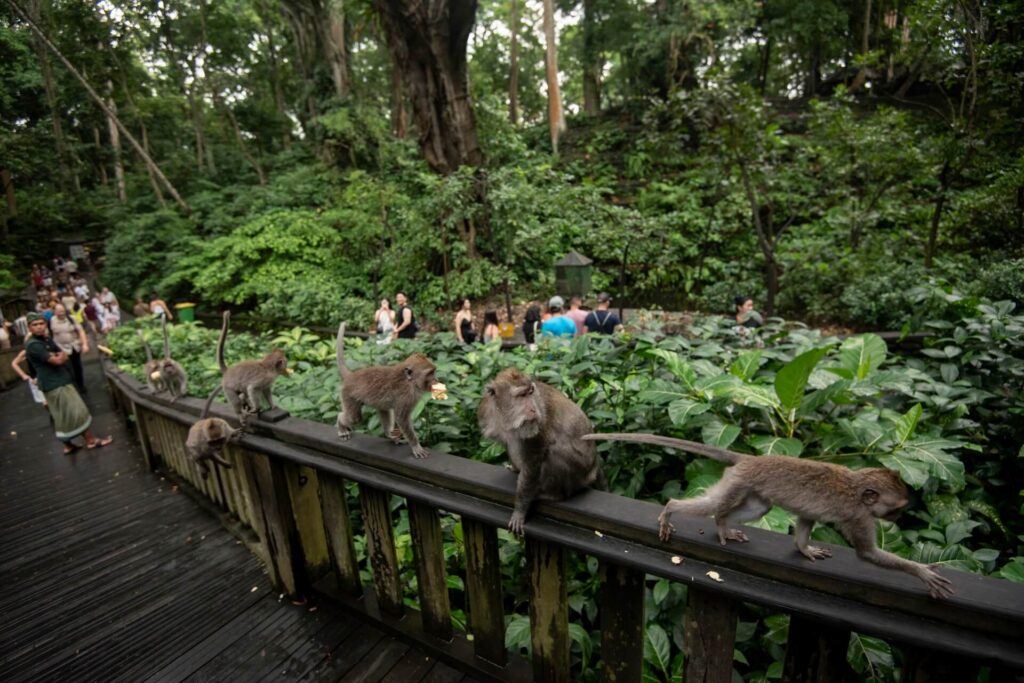
Renowned as Bali’s cultural heart, Ubud offers numerous opportunities to see dance performances. The Puri Saren Palace and the Ubud Palace regularly host Legong and Barong performances.
Batubulan
This village is famous for its Barong Ket and Kris Dance performances, depicting the eternal battle between good and evil. These Balinese dancers express the stories of ancient dance traditions.
Uluwatu and Tanah Lot Temple
Witnessing a Kecak Dance performance at sunset against the backdrop of this iconic seaside temple is an unforgettable experience.
You can also see the dance in some Bali festival such as Bali Arts Festival (June–July) at the Art Center in Denpasar, Bali.
Tips for Enjoying a Balinese Dance Performance
- Dress respectfully: Opt for lightweight clothing that covers your shoulders and knees.
- Arrive early: Seating at some venues can be limited, so arriving early ensures a good spot.
- Offer a donation: Most venues accept small donations to support the performers.
- Respect the performance: Refrain from talking or using flash photography during the dance.
- Embrace the experience: Allow yourself to be captivated by Balinese dance’s colours, mesmerizing movements, and profound cultural significance.
The Tourism Factor of Bali Entertainment Dance
Tourism also plays a significant role in the preservation and promotion of traditional Balinese dances, as these performances attract visitors from around the world seeking authentic cultural experiences. While tourism has undoubtedly contributed to the popularity and accessibility of Balinese dances, there is a delicate balance to strike between commercialization and cultural authenticity.
Responsible tourism practices, such as supporting local dance troupes, attending community-led performances, and engaging in immersive cultural experiences, can help sustain traditional Balinese dances while respecting the cultural integrity of the island.
Experience The Dance of Bali To The Fullest!
While the visual spectacle of Balinese dance is undeniable, it’s important to remember the deeper meaning behind these performances. By attending a dance performance, you’re not just watching a show; you’re connecting with Bali’s rich cultural heritage, its spiritual beliefs, and the artistic traditions that have been passed down for centuries.
So, the next time you find yourself in Bali, make sure to include a traditional dance performance on your itinerary. You’ll be rewarded with an experience that is both visually stunning and culturally enriching.