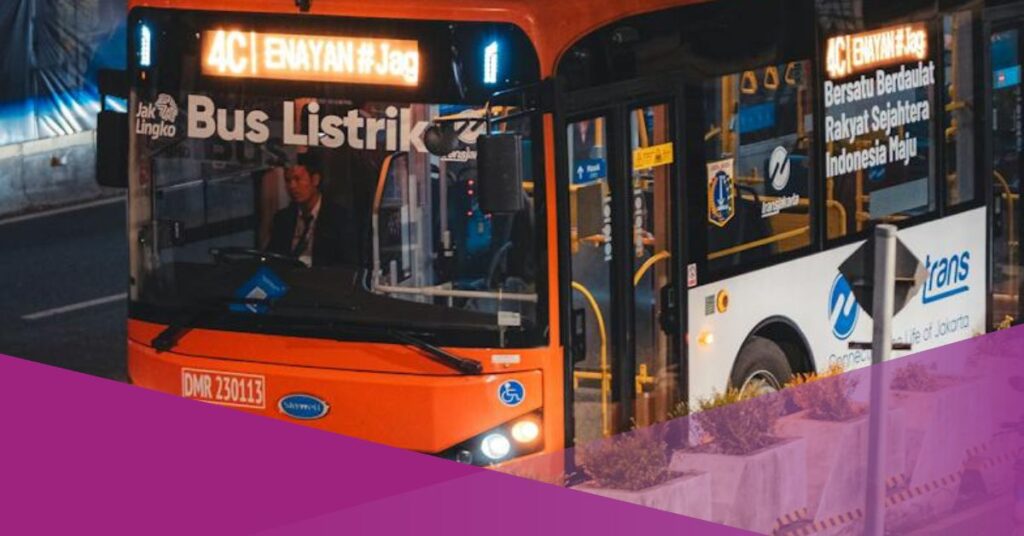
The Jakarta Provincial Government (Pemprov DKI Jakarta) has reported that TransJakarta services now cover 92.5% of the capital. The expansion places the bus rapid transit system among the most widely accessible public transport networks in the city.
Jakarta Governor Pramono Anung said the growing coverage has strengthened TransJakarta’s role as a primary mode of transport for residents.
“We now cover 92.5 per cent of Jakarta. And every day, TransJakarta carries approximately 1.4 million passengers,” Pramono said after attending the 12th anniversary celebration of PT TransJakarta at the Tosari bus stop in Central Jakarta on Friday (27 March).
The high passenger volume reflects continued reliance on the system for daily mobility across the city.
Economic Contribution and Investment Impact
The provincial government also highlighted the economic impact of investment in the TransJakarta network. According to official calculations, every Rp1 trillion allocated to the sector can generate up to Rp3.2 trillion in economic activity.
Pramono said the cumulative economic impact has reached Rp73.8 trillion.
“TransJakarta has made an extraordinary contribution to transportation in Jakarta,” he said.
The figures indicate the system’s role not only in mobility but also in supporting wider economic activity. The government did not provide further details on how the impact was calculated.
Budget Allocation and Regional Standing
In terms of regional performance, Pramono stated that TransJakarta’s infrastructure is ranked 17th globally and second in ASEAN, behind Singapore.
Meanwhile, Jakarta Regional People’s Representative Council (DPRD) Speaker Khoirudin confirmed that the council has approved a public service obligation (PSO) budget of Rp4.8 trillion for TransJakarta.
“This is almost 6 per cent, 5.99 per cent of our APBD budget, we are giving to TransJakarta. This is a form of reciprocity from the local government for its services to the people of Jakarta who have paid their taxes,” Khoirudin said.
He added that Jakarta’s annual tax revenue exceeds Rp50 trillion and is redistributed through public services, including transportation.
The allocation forms part of the city’s broader effort to maintain and expand public transport services amid growing urban demand.
Photo by Dwi Setyo/Pexels