Eid al Fitr Celebration: Unique Eid Al-Fitr and Traditions Worldwide
Eid al Fitr is one of the most joyful days in the Islamic calendar. It is a day marked by celebration, reflection, generosity, and community. Eid al-Fitr which translates to “Festival of Breaking the Fast, ” for Muslims around the world, this special festivity brings an end to the holy month of Ramadan. Ramadan itself is a period of fasting, prayer, and spiritual renewal.
While the core religious meaning of Eid remains the same for every Muslim, the ways in which people celebrate it can be wonderfully diverse and culturally rich.
What Is Eid al-Fitr?
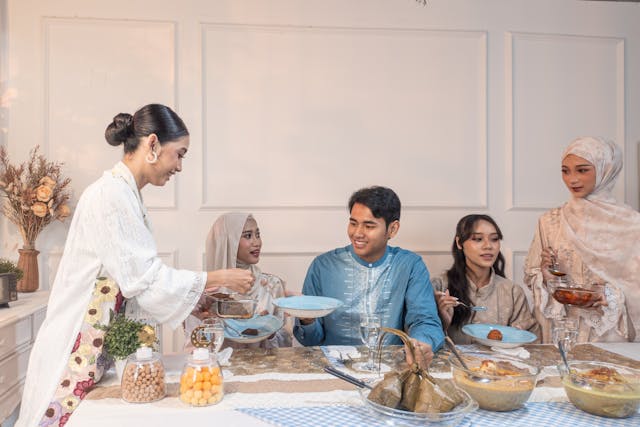
Eid al Fitr, often referred to simply as Eid, is a festival that marks the end of Ramadan. It is the month in which Muslims fast from dawn until sunset. On the first day of Shawwal, the next Islamic month, Muslims gather early in the morning to perform the special Eid prayer in congregation.
After this communal worship, the rest of the day is filled with celebrations that centre around family, gratitude, and communal joy.
The festival is underpinned by several Islamic practices, one of the most important being zakat al-Fitr. Zakat is a form of obligatory charity that must be given before the Eid prayer. This ensures that even the less fortunate can participate fully in the Eid celebration.
The Morning Ritual: Eid Prayer and Zakat al-Fitr
For many Muslims worldwide, the day begins before sunrise. Families rise early to prepare for the Eid prayer. It is a special congregational salat performed in mosques, open fields, or designated prayer grounds. This act of worship is both a spiritual culmination of Ramadan and a public expression of unity among the faithful.
Before the Eid al-Fitr prayer, Muslims are required to offer zakat al-Fitr. This charitable act, rooted in Islamic teachings, involves giving a set amount of food or its monetary equivalent to those in need so that everyone can enjoy the feast of Eid.
After prayer, Muslims greet one another with “Eid Mubarak”, a warm wish of blessings and goodwill, often followed by handshakes, embraces, and joyful conversations.
Unique Eid Traditions in Saudi Arabia and Around the World
While the spiritual heart of Eid al Fitr remains consistent, the ways in which families and communities celebrate the day of Eid vary widely.
Unique Eid in Saudi Arabia
In Saudi Arabia, there is an Eid tradition called fatur Idulfitri that makes the morning of Eid feel so special. This tradition involves having breakfast together after Eid prayers at the home of the eldest family member. In Indonesia, we usually go straight to visiting relatives or paying respects, but in Saudi Arabia, there is a special moment at the dining table first.
Reading poetry is one of the Eid traditions in Saudi Arabia that makes Eid al-Fitr there feel more colourful. In some areas, especially in traditional communities and families, reading and listening to poetry is an important part of Eid al-Fitr celebrations.
Unique Eid in Indonesia: Mudik and Social Celebrations (Halal bi Halal)
In Indonesia, the largest Muslim-majority country in the world, the Eid al Fitr celebration goes beyond prayer and charity to include deeply rooted cultural traditions. Many Indonesians participate in mudik, an annual homecoming journey back to their hometowns to reunite with family.
Another local tradition is Halal bi Halal, a unique cultural practise where people visit extended family, friends, and colleagues to seek and offer forgiveness. This reinforcing social bonds and fresh beginnings.
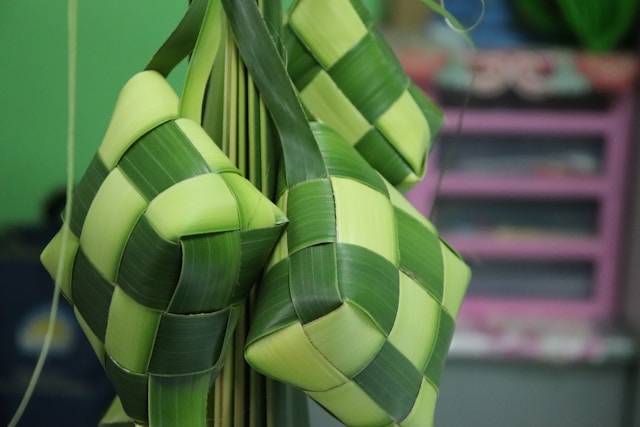
From the night before Eid when people join takbir parades. Takbir parades where people chanting praises and illuminating streets with drums and lanterns. And they go visit graves and sharing festive meals like ketupat, rendang, and opor ayam, the celebration in Indonesia is a vibrant fusion of spirituality and cultural expression.
Social Customs Around the World
Across Southeast Asia, Eid traditions also include children going door-to-door receiving sweets or treats, special dances and rituals in local muslim community, and welcoming homecomers with music and feasts.
In Malaysia, for example, villagers in some regions celebrate by firing homemade cannons to mark the start of Eid.
In Saudi Arabia, Eid combines both deep religious practice and celebratory gatherings. Families come together, gifts and sweets are shared, and people wear new clothes as a symbol of renewal and festivity.
Celebrate Eid Al Fitr with New Clothes, Feasts, and Family Time
One of the things most people imagine when thinking about the Eid al Fitr celebration is the tradition of wearing new outfits. Donning new clothes on Eid is more than just a fashion choice. It represents a fresh start, spiritual renewal, and the joy of completing a month-long period of fasting and self-discipline.
Food plays a central role in Eid festivities. After a month of fasting, families prepare sumptuous meals featuring special dishes. In Indonesia, ketupat( rice cakes packaged in woven palm leaves) is a beloved staple, while other regions have their own iconic delicacies.
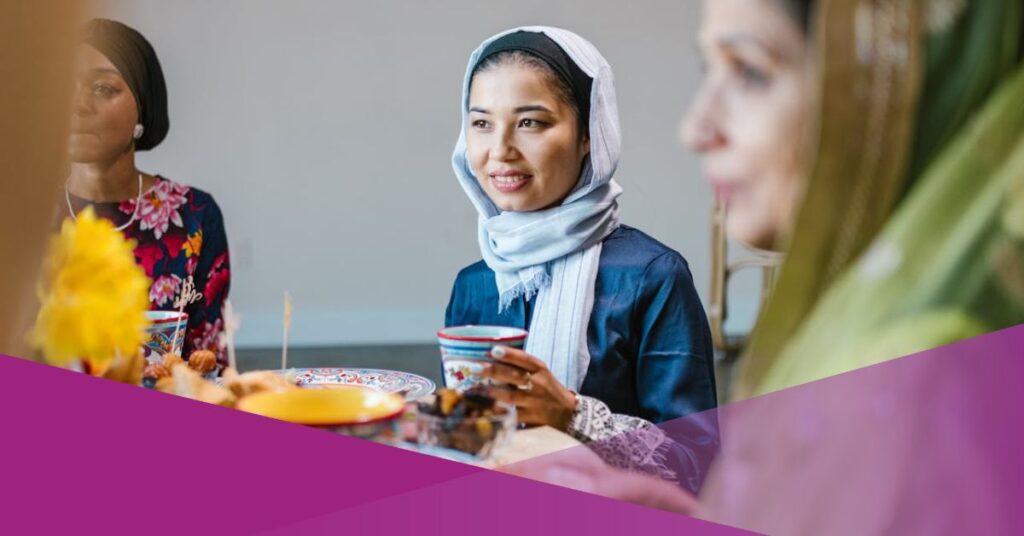
Part of the celebration are sharing meals with families and friends, visiting relatives, also hosting guests. Spending time for families because this is a public holiday! These are all part of the spirit of generosity and community that defines the Eid celebration.
Acts of Kindness and Charity

The meaning of Eid extends well beyond feasting and festivity. The requirement to pay zakat al-Fitr highlights a fundamental aspect of Islamic teaching: compassion and care for the less fortunate. Giving to charity ensures that everyone, regardless of means, can experience the joy of Eid.
Moreover, Eid festivities often include visits to elderly relatives and distributing gifts. Sometimes children receive pocket money.
Why Eid Matters
At its core, the Eid al Fitr celebration brings together spirituality, gratitude, and cultural expression. For Muslims, it is a moment to rejoice after a month of fasting, refocus on the values of faith and charity, and reconnect with family and community. Eid is a time of joy, reflection, and togetherness.
People Also Ask About Eid al Fitr Celebration
When is Eid al-Fitr 2026?
The Indonesian government has set date of Eid al-Fitr that fall on Saturday, 21 March 2026 and Sunday, 22 March 2026.
What is the meaning of Eid al Fitr celebration?
The Eid al Fitr celebration marks the end of Ramadan, the Islamic holy month of fasting. For Muslims, it symbolises gratitude, self-discipline, forgiveness, and renewal.
How do Muslims celebrate Eid al Fitr?
Muslims community usually begin the day with a special Eid prayer performed in congregation. Before the prayer, zakat al-Fitr is given to those in need.
Photo by RDNE Stock project/Pexels