Cost of Healthcare in Bali: A Complete Guide for Expats
For many expats, understanding the cost of healthcare in Bali is a key part of settling on the island. Bali offers a mix of public and private medical services, but not all facilities are designed with foreign residents in mind. Access, pricing, and service standards can differ significantly depending on where treatment is sought.
Healthcare costs in Bali range widely. Registration at a community health centre, known as a Puskesmas, can cost around IDR 25,000. In contrast, treatment at private hospitals, particularly for specialist care or inpatient services, can run into millions of rupiah.
General practitioner consultations typically range from IDR 40,000 to IDR 300,000. Specialist consultations range between IDR 90,000 and IDR 800,000 or more, depending on the provider and complexity. A medical test or medical check-up (MCU) package is available from approximately IDR 300,000 to over IDR 2 million.

Public and Private Healthcare in Bali
Indonesia’s healthcare system consists of two main sectors: public healthcare, supported by the national insurance scheme, and private healthcare, which operates independently.
Public Healthcare
Public healthcare is generally accessible to Indonesian citizens and certain expats with the appropriate permits. Services are affordable, particularly for those enrolled in BPJS Kesehatan, the national insurance scheme. However, waiting times can be long, and most staff communicate primarily in Indonesian. Facilities typically offer basic to moderate levels of care.
Private Healthcare
Private healthcare in Bali is open to residents and tourists. Many private hospitals and clinics provide multilingual support and shorter waiting times. Costs are higher, but patients often receive faster and more personalised service. Standards can meet international expectations, particularly at newer facilities serving expats.
In April 2025, a new international hospital opened in the Sanur Health Special Economic Zone. The facility is designed to serve both local and international patients. It provides 24-hour emergency care, specialist consultations in cardiology, orthopaedics, oncology and neurology, and modern inpatient rooms focused on privacy and comfort.
The hospital also follows a sustainable “green hospital” design aligned with global environmental standards.
BPJS Kesehatan and Health Insurance for Expats
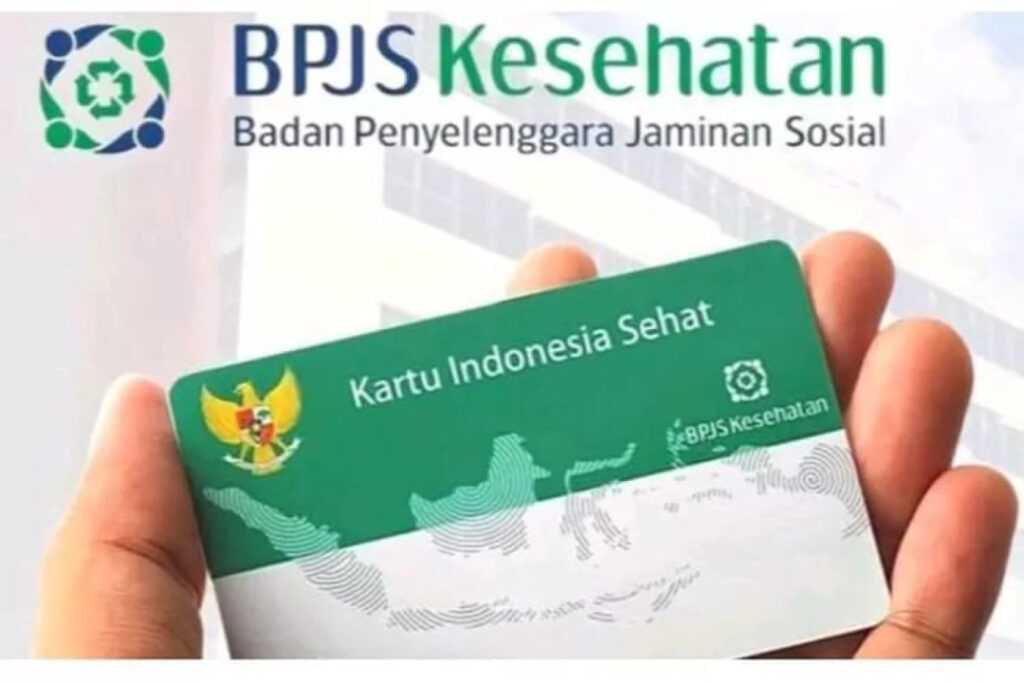
BPJS Kesehatan is Indonesia’s public health insurance system. Foreign nationals who work in Indonesia for at least six months are required to register. Registration is usually completed by the employer under the Pekerja Penerima Upah (PPU) category.
Requirements include:
- A valid passport
- A work permit issued by the relevant authority
- A valid KITAS (Limited Stay Permit) or KITAP (Permanent Stay Permit)
- Registration can be completed at a BPJS branch office or online via the JKN Mobile application.
Foreign nationals enrolled in BPJS receive the same benefits as Indonesian citizens. These include access to clinics and hospitals within the public system. However, services are often crowded, and language barriers may arise.
Previously, around 15,000 foreign nationals were registered as BPJS participants in Bali, although only approximately 7,000 remained active.
Due to these limitations, many expats choose international health insurance. Policies typically cover private hospital treatment, inpatient and outpatient care, emergency evacuation, and global coverage for those who travel frequently.
Typical Cost of Healthcare in Bali
Private healthcare costs in Bali are generally lower than in many Western countries but higher than public facilities in Indonesia.
Estimated private costs include:
General practitioner visit: USD 20–50
Specialist consultation: USD 40–100
Inpatient hospital room: USD 100–1,000 per night
Minor surgery: USD 500–3,000
Emergency care: varies widely and often requires upfront payment
Health Risks and Preventive Care
Common health issues in Bali include dengue fever, digestive problems due to unfamiliar food or water, dehydration caused by heat, and air pollution exposure during the dry season.
Recommended vaccinations from the Ministry of Health include Hepatitis A and B, typhoid, tetanus, and rabies for long-term residents or those working with animals.
Tourism continues to grow. In 2024, Bali recorded 6.3 million foreign tourist arrivals, up from 5.27 million the previous year. While this figure does not specify foreign workers or investors, it highlights the growing international presence on the island.
Nationally, the Ministry of Finance reported that BPJS Kesehatan claims reached IDR 47 trillion in March 2025, compared to IDR 43.4 trillion during the same period in the previous year.
For expats, careful planning remains essential. Understanding the cost of healthcare in Bali, insurance options, and access to reliable clinics ensures smoother medical care when needed.
People Also Ask About Cost of Healthcare in Bali
1. How much does healthcare cost in Bali for expats in 2026?
Costs vary by provider. A GP visit usually costs IDR 40,000–300,000, while specialist consultations range from IDR 90,000–800,000+.
2. Is BPJS mandatory for foreign workers in Bali?
Yes. Expats working in Indonesia for more than six months must enrol in BPJS Kesehatan. Registration is typically handled by the employer and requires a valid passport, work permit, and KITAS or KITAP.
3. Are private clinics in Bali suitable for expats?
Yes. Private clinics offer shorter waiting times, multilingual staff, and higher service standards. Many expats prefer private facilities for convenience and comfort.
4. What medical tests are available in Bali hospitals?
Hospitals offer general health check-ups, blood tests, scans, and specialist diagnostics. Medical test packages are widely available at both clinics and hospitals.
5. Do expats need international health insurance in Bali?
International insurance is recommended. It provides access to private hospitals, specialist care, and emergency services, which may not be fully covered by BPJS.