Barong Bali Dance in Indonesia: A Traditional Balinese Story of Good and Evil
The barong bali dance is one of the most recognisable forms of traditional Balinese dance in Indonesia. Beyond its visual appeal, it carries deep philosophical, spiritual, and cultural significance. Rooted in ancient beliefs and ritual practices, this performance represents the ongoing struggle between good and evil, embodied by the Barong and Rangda.
Rather than functioning solely as entertainment, the dance reflects how balance is maintained in life. Each movement, musical element, and character contributes to a broader narrative that continues to shape Balinese cultural identity.
The Story of the Barong Dance: A Symbol of Balance
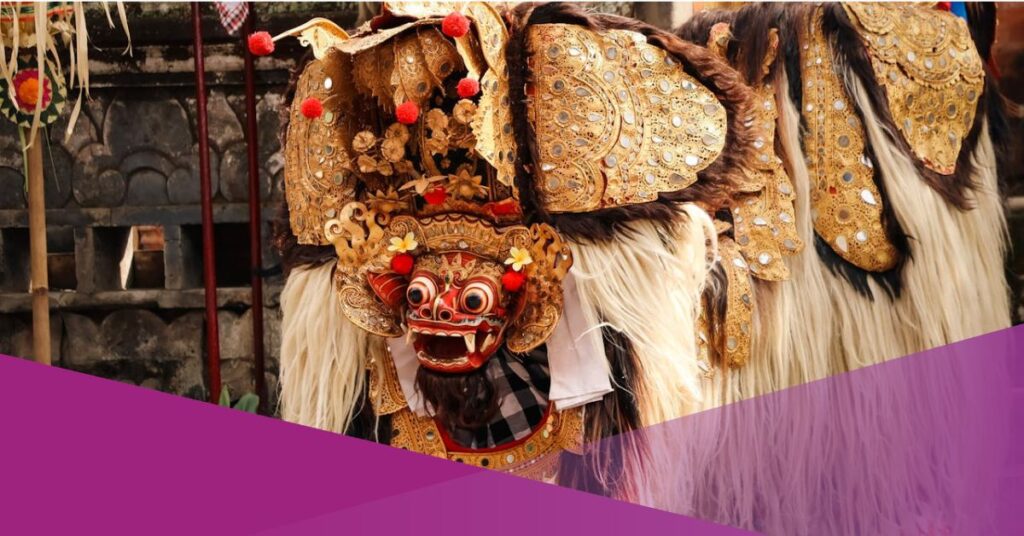
At the heart of the story of the Barong lies a symbolic conflict between two opposing forces. The Barong, often depicted as a lion-like mythological creature, represents protection, virtue, and harmony. In contrast, Rangda symbolises chaos, destruction, and dark energy.
This confrontation does not end with a clear victory. Instead, it demonstrates that both forces coexist, reinforcing the idea that balance is essential in life. The concept resonates strongly within Balinese philosophy, where harmony between opposing elements is considered fundamental.
The Barong is also associated with protective spirits believed to guard villages from evil spirits. Meanwhile, Rangda is portrayed as a powerful figure linked to dark magic and disruption. Their interaction creates a dramatic narrative that reflects both spiritual belief and human experience.
Historical Origins of the Barong Bali Dance
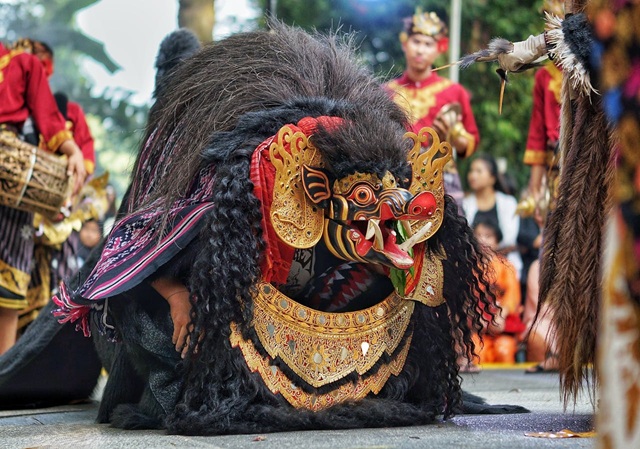
The origins of the barong bali dance can be traced back to early animist traditions in Bali, long before the arrival of Hinduism. At that time, local communities believed that spirits inhabited natural elements, including animals, which were seen as protectors.
Over time, these beliefs evolved and merged with influences from Java and China. Historical evidence suggests that the Barong tradition developed through cultural exchanges, including elements from Javanese masked performances and Chinese lion dances.
The Barong figure itself is often linked to Banas Pati Raja, a protective spirit in Balinese mythology. As Hindu influences spread across the island, these earlier beliefs were integrated into new religious narratives, including the well-known Calonarang story, which centres on the battle between Barong and Rangda.
During the colonial period, the Barong dance gained international attention through anthropological studies. This exposure contributed to its recognition as both a cultural performance and a subject of academic interest.
Ritual and Cultural Functions
The barong bali dance serves multiple purposes within Balinese society. It is not limited to staged performances but is also deeply embedded in religious and communal life.
Sacred Ritual (Wali)
In its most sacred form, the dance is performed within temple ceremonies. It is intended to honour ancestors and maintain spiritual balance within the community.
Ceremonial Support (Bebali)
The Barong is often paraded around villages during rituals aimed at warding off misfortune. One notable tradition occurs during Galungan, when the Barong is carried from house to house in a practice known as ngelawang. Residents offer prayers and offerings for protection.
Entertainment (Balih-balihan)
In modern contexts, the dance is also performed as a cultural attraction. While adapted for audiences, it retains its core narrative and symbolic meaning.
Keris Dance and Trance Elements
A distinctive feature of the performance is the keris dance, which typically occurs during the climax of the story. In this scene, performers enter a trance-like state while holding keris (traditional daggers).
The dancers, representing followers of Rangda, attempt to harm themselves under her influence. However, they are protected by the Barong’s spiritual power. This sequence is not merely theatrical; it reflects ritual practices associated with healing and spiritual cleansing.
The presence of trance elements highlights the connection between performance and belief. It demonstrates that the dance is not only a visual spectacle but also a manifestation of spiritual expression.
Types of Barong in Balinese Tradition
@gwk_bali Tari Barong merupakn budaya asli Bali yang menggambarkan pertempuran antara kebaikan dan keburukan. Tari Barong adalah salah satu tari yang Sakral di Bali. Namun, seiring berjalannya waktu, Tari Barong saat ini juga digunakan sebagai hiburan untuk wisatawan. GWK mementaskan Tari Barong setiap hari yang dikolaborasikan dengan seekor monyet untuk membuat tarian menjadi lebih atraktif. Penasaran bagaimana cerita tari Barong di GWK? Yuk segera jadwalkan liburanmu ke GWK 😉 #gwkbali #balineseculture #balineseart #balitravel #performingarts ♬ original sound – GWK Cultural Park Bali
There are several types of Barong, each with distinct characteristics and symbolic meanings:
Barong Ket
The most commonly performed form, combining features like a lion, tiger, and other animals. It is typically operated by two dancers and is widely seen in performances.
Barong Bangkal
Representing a wild boar, this type is often associated with village rituals and processions.
Barong Macan
Inspired by a tiger, symbolising strength and protection.
Barong Landung
Featuring large human-like figures, often used in ceremonial contexts. Each type reflects different aspects of Balinese belief systems and local traditions.
Experiencing a Barong Dance Performance & Where to Watch It for Bali Expat
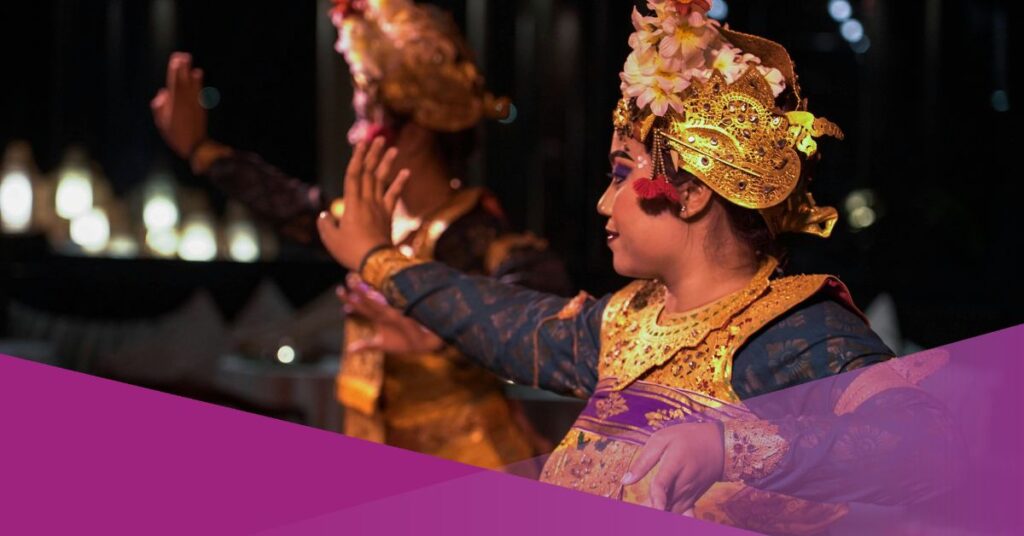
For Bali expat, watching a traditional Balinese dance such as the Barong offers insight into the island’s cultural and spiritual life. Performances are typically accompanied by gamelan music, which enhances the emotional depth of the narrative.
The rhythmic patterns and dynamic movements create an immersive experience, allowing audiences to engage with the story beyond its visual elements. The interaction between music and dance reinforces the central themes of tension and balance.
Where to watch the barong? Many performances take place in covered venues, ensuring a comfortable viewing environment while preserving the authenticity of the setting. Morning shows are common, particularly in cultural centres across Gianyar, Denpasar, and Ubud. The GWK Cultural Park (Garuda Wisnu Kencana) also has a definite schedule for tourist to watch the traditional performances.
Challenges in the Modern Era
Despite its cultural importance, the barong bali dance faces challenges in the context of globalisation. As tourism grows, there is a risk that the performance may be viewed primarily as entertainment rather than as a meaningful cultural expression.
When reduced to a spectacle, its deeper philosophical and spiritual values can be overlooked. This shift may affect how future generations understand and engage with the tradition.
Preservation efforts therefore require more than maintaining the physical performance. They involve sustaining the knowledge, beliefs, and context that give the dance its significance.
People Also Ask (PAA) about Barong Dance
1. What is the Barong dance in Bali?
The Barong dance Bali is a traditional Balinese performance that depicts the battle between good and evil, represented by Barong and Rangda.
2. What does Rangda symbolise in Balinese culture?
Rangda symbolises destructive forces, dark energy, and chaos within Balinese mythology.
3. What is the significance of the keris dance?
The keris dance / kris dance represents spiritual protection and trance rituals, where performers demonstrate resistance to harm under divine influence.
4. What are the different types of Barong dance in Bali?
Common types include Barong Ket, Barong Bangkal, Barong Macan, Barong Asu, Barong Gajah and Barong Landung, each with unique forms and meanings.