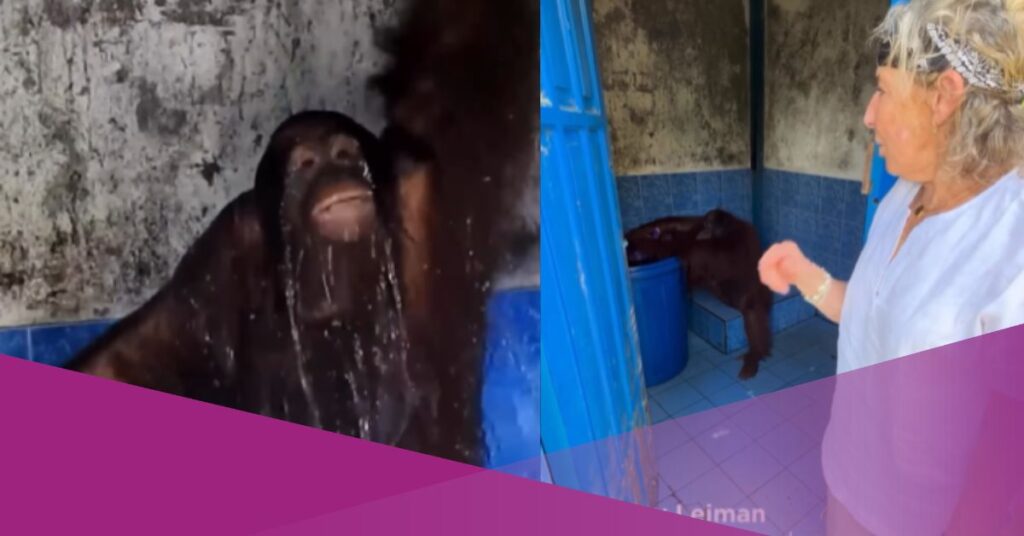
A video showing an orangutan using a staff bathroom at Camp Buluh, Kalimantan, has drawn public attention. The animal, identified as Timtom, was recorded entering a nurses’ toilet and using a dipper to bathe during a period of drought.
The incident took place as water levels in nearby rivers dropped significantly due to the dry season. In the video, Timtom appears to scoop water with a dipper and pour it over his body. Staff members reported that attempts to remove him from the bathroom were unsuccessful.
“Attempts by staff to remove him were unsuccessful. Timtom only left the bathroom after feeling satisfied and returned to his own enclosure,” the report stated.
Timtom is an orphaned orangutan currently under the care of the Orangutan Foundation. He is undergoing a gradual rehabilitation process before eventual release into the wild.
Lihat postingan ini di Instagram
Sebuah kiriman dibagikan oleh Orangutan Foundation (@orangutan_foundation)
Observed Behaviour and Learning Ability
The behaviour is believed to be linked to observation. Timtom had reportedly watched nurses carrying out daily activities from nearby trees. Over time, he appeared to imitate these actions.
The report noted that “he was seen using a dipper to bathe” after repeatedly observing human activity. This form of imitation is often associated with orangutans, which are known for their cognitive abilities.
“Mimetic Intelligence: More Than Just Imitation,” the report stated, describing how orangutans can replicate observed behaviour. It added that “orangutan intelligence is often described as being the closest to that of humans,” and noted that humans share approximately 97 per cent of their DNA with the species.
The behaviour seen in the video has been described as an example of mimetic ability. The report stated that this reflects “a highly complex mimetic, or imitation, ability.”
Conservation Context and Population Status
The incident has also prompted discussion about orangutan conservation. Indonesia’s orangutan population is currently classified as critically endangered, according to recent research cited in the report.
“The statistics provide a sobering reminder,” the report stated, referring to the declining population. It added that the species faces ongoing threats linked to environmental changes and habitat conditions.
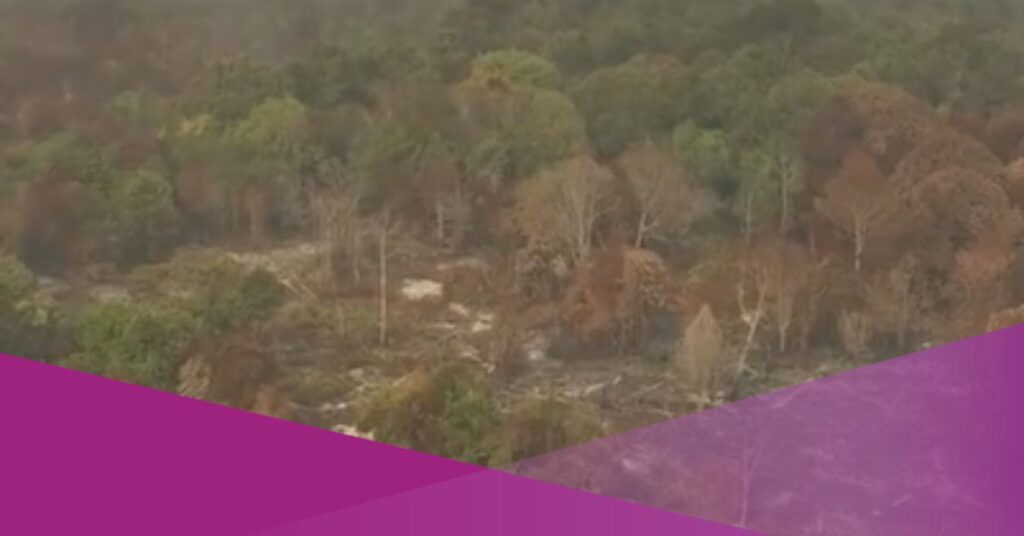
Timtom’s behaviour has been linked to environmental factors, particularly reduced water availability. The report noted that “when rivers in Kalimantan receded due to a prolonged drought, Timtom… sought alternative solutions.”
The orangutan remains part of a rehabilitation programme designed to prepare individuals for independent living in the wild. His actions, while unusual, are being observed as part of his development.