Indonesia Safest Countries: Why It Is Included Among the Safest Countries in the World
Indonesia has been listed among the safest countries in the world in the event of a potential global conflict, according to international reports citing geopolitical neutrality, geographical position, and peace index rankings.
The assessment appears in global safety reports referenced by international media, including Daily Mail, NDTV, and The Metro, which analysed countries considered least vulnerable in a large-scale war scenario.
The report cited data from the Global Peace Index (GPI), which ranks Indonesia 49th among the safest countries globally. The ranking reflects factors such as political stability, military involvement, and overall peace conditions.
Concerns about global security have increased following tensions in the Middle East involving Israel, Iran, and the United States. Analysts and researchers have examined which countries may be less exposed to direct military conflict or severe geopolitical disruption.
Indonesia Safest Countries Ranking Linked to Neutral Foreign Policy
One of the key reasons Indonesia is included among the safest countries in the world is its long-standing independent and active foreign policy. This principle was first established by Indonesia’s founding president, Sukarno, who emphasised that Indonesia would not align itself with major global powers.
This approach has continued under subsequent administrations, with Indonesia maintaining diplomatic neutrality and promoting international peace through multilateral cooperation. This policy reduces the likelihood of Indonesia becoming directly involved in global military conflict.
Professor Brian Toon, a climate and atmospheric scientist, identified Indonesia as one of ten countries that could be relatively safe in a global war scenario. His analysis focused on geopolitical neutrality, geographic conditions, and food security potential.
Other countries identified in similar reports include Antarctica, New Zealand, Switzerland, Iceland, South Africa, Argentina, Bhutan, Chile, and Fiji. These countries were assessed based on factors such as isolation, neutrality, and agricultural resilience.
New Zealand and Australia were highlighted for their agricultural sustainability. Professor Toon said global agriculture could collapse in many regions following a nuclear conflict.
“Much of the world, especially in the mid-latitudes, would be covered in ice. Places like Iowa and Ukraine would be covered in snow for 10 years. Agriculture would fail, and when agriculture fails, people would die,” he said, as quoted by Express.
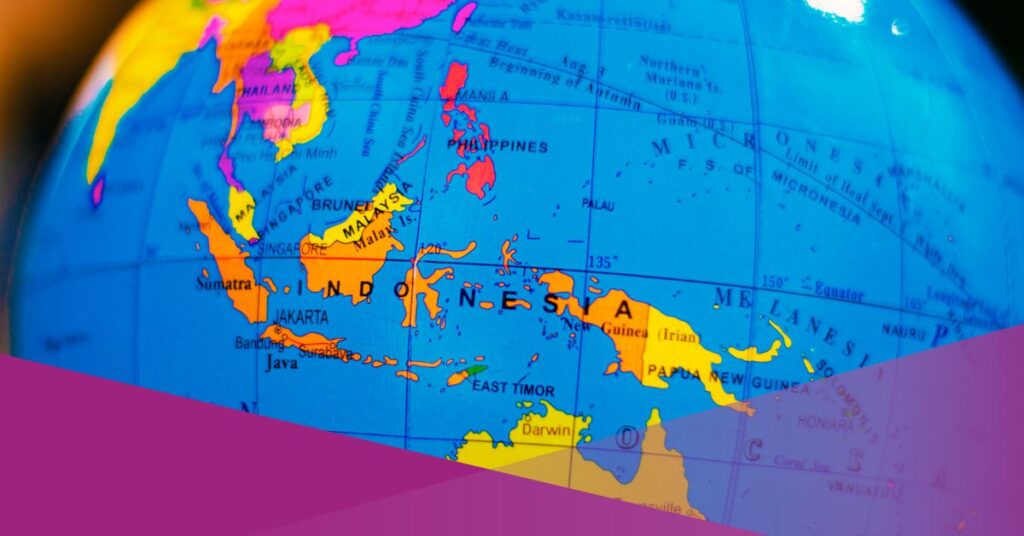
Indonesia’s geographic location in Southeast Asia, away from major global military centres, also contributes to its classification as relatively secure compared with countries located near major military powers.
Economic Risks Remain Despite Indonesia Safest Countries Status
Despite Indonesia’s inclusion among the safest countries in the world from a geopolitical perspective, economic experts have warned that internal structural challenges could affect national resilience during global crises.
Bhima Yudhistira, Executive Director of the Center of Economic and Law Studies (Celios), said Indonesia’s economic fundamentals remain vulnerable.
“Indonesia’s fiscal and economic resilience are very vulnerable,” he said when contacted by Kompas.com on 23 June 2025.
He explained that Indonesia could potentially benefit from geopolitical tensions, as investors often move capital to politically stable countries. However, domestic structural challenges may prevent Indonesia from fully taking advantage of such opportunities.
According to Bhima, regulatory complexity, infrastructure gaps, and bureaucratic inefficiency remain major barriers. He noted that an expanded institutional structure has contributed to slower decision-making and administrative processes.
These factors may reduce Indonesia’s attractiveness to investors. Indonesia’s competitiveness ranking fell to 40th out of 69 countries in 2024, reflecting structural economic challenges.
Indonesia’s reliance on natural resource exports also increases vulnerability to global commodity price fluctuations. Oil prices, for example, were projected to reach between US$80 and US$83 per barrel by early July 2025.
“Crude oil prices are estimated to reach US$80–83 per barrel in the near future, at least by early July 2025. Although energy demand is currently declining, conflict could significantly increase oil prices,” he said.
High logistics costs and relatively elevated lending interest rates also limit investment growth and industrial expansion.
“So, there is a wasted opportunity arising from the geopolitical turmoil, when Indonesia should be benefiting from significant industrial relocations,” he said.
Bhima added that maintaining Indonesia’s non-aligned foreign policy remains important to preserve stability and investor confidence during global uncertainty.
List of the safest countries in the world in a global conflict scenario:
- Antarctica
- New Zealand
- Switzerland
- Iceland
- Indonesia
- Tuvalu
- Argentina
- Bhutan
- Chile
- Fiji
These countries were identified based on geographical distance from military powers, political neutrality, and the ability to maintain food production.
Indonesia has been recognized among the world’s safer countries in Gallup 2025 Global Safety Report, ranking 19th in the Law and Order Index and 25th globally for the share of citizens who feel safe walking alone at night.
Indonesia’s inclusion reflects its diplomatic neutrality, strategic geographic position, and relatively stable domestic conditions. However, experts emphasise that economic reforms and structural improvements remain necessary to strengthen national resilience.
Lihat postingan ini di Instagram
People Also Ask (PAA)
1. Why is Indonesia considered one of the safest countries in the world?
Indonesia is considered relatively safe due to its neutral foreign policy, distance from major military powers, and stable political position.
2. What ranking does Indonesia have in the Global Peace Index?
Indonesia ranks 49th in the Global Peace Index, reflecting moderate levels of peace and stability.
3. Which countries are safest in the world during global conflict?
Countries often listed include Antarctica, New Zealand, Switzerland, Iceland, Indonesia, Argentina, Bhutan, Chile, Tuvalu, and Fiji.
4. Is Indonesia economically prepared for global conflict?
Experts say Indonesia has opportunities but still faces economic vulnerabilities such as regulatory inefficiency, infrastructure gaps, and reliance on commodity exports.
5. Why does neutrality affect a country’s safety ranking?
Neutral countries are less likely to be involved in military alliances or conflicts, reducing their risk of becoming direct targets.