The Astungkara Trail in Bali has been named National Geographic’s Best of the World 2026 Wellness Experiences Readers’ Choice winner, placing the island once again on the global tourism map.
The announcement was made through National Geographic’s official platform, which highlighted the trail’s approach to wellness, culture, and community-based travel.
In its statement, National Geographic wrote:
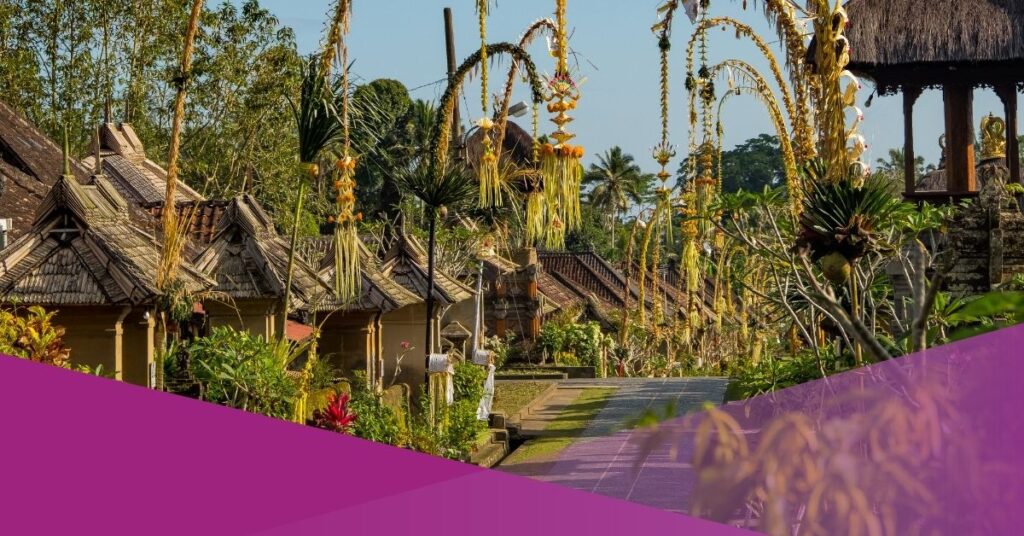
“Before Bali was shaped by paved roads and tourism, movement followed the logic of water and seasons. Now, the Astungkara Way Trail lets travellers reconnect with the island’s past at a slower pace, offering guided hikes along historic footpaths and a welcome into local village life.
With a focus on restorative farming and cultural tourism, visitors to the Astungkara Way can experience Bali on foot and in conversation with the landscapes that sustain it.”
Lihat postingan ini di Instagram
Sebuah kiriman dibagikan oleh National Geographic Travel (@natgeotravel)
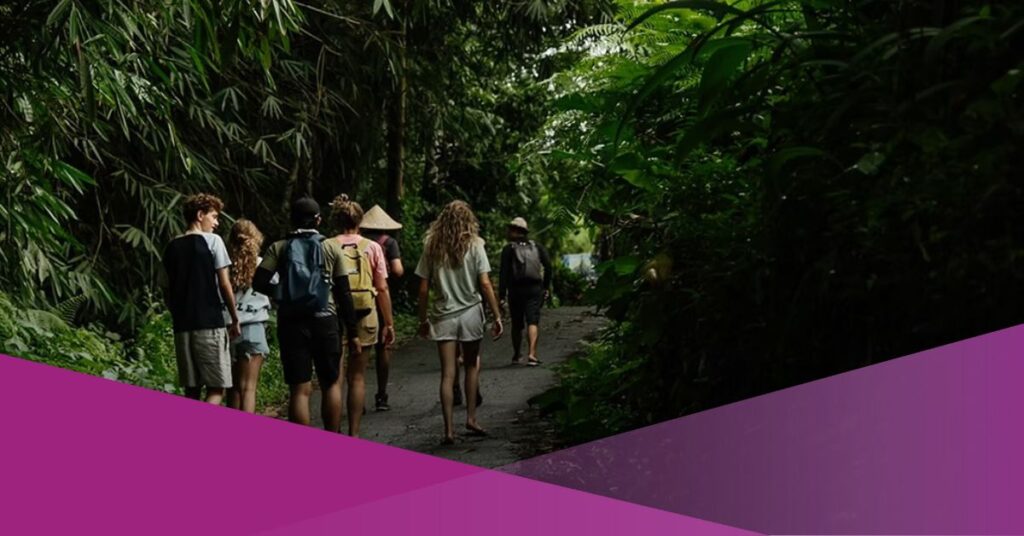
The Astungkara Trail follows historic footpaths across rural Bali, connecting villages, rice fields, and farming areas. The programme is designed as a guided walking journey that encourages visitors to engage directly with the environment and local communities.
According to its organisers, the trail applies principles of regenerative tourism. Activities are structured to minimise environmental impact while supporting local livelihoods. The experience combines walking routes, village stays, and participation in daily rural activities.
The recognition comes as Bali’s tourism sector continues to evolve. While the island remains known for its beaches and cultural heritage, tourism stakeholders have increasingly introduced programmes focused on nature-based experiences and community involvement. The Astungkara Trail is among initiatives that emphasise slower travel and direct interaction with local life.
National Geographic’s Best of the World list is compiled annually and features destinations selected by editors and readers for their relevance, innovation, and impact. The 2026 wellness category highlights travel experiences that integrate physical activity, cultural learning, and environmental awareness.
Trail Structure and Community-Based Approach
The Astungkara Trail offers several itinerary options ranging from three to ten days, allowing travellers to choose routes that match their time and walking ability. The organisers state that the flexible format is intended to accommodate both first-time walkers and more experienced trekkers.
Participants walk between villages and farming areas, accompanied by local guides. The programme includes opportunities to observe and take part in daily agricultural activities. Travellers may work alongside farmers and learn about restorative farming practices used in the region.
Cultural elements are also integrated into the journey. Participants receive explanations of Balinese spiritual traditions and local customs. In some locations, travellers may observe or take part in community ceremonies, depending on local schedules and permissions.
Another component of the trail is direct engagement with local farmers. Participants are introduced to the realities of rural farming, including seasonal challenges and land management practices. These interactions are presented as educational exchanges rather than performances.