The Bali Regional Disaster Management Agency (BPBD) has urged residents to prepare emergency bags containing valuables and essential items amid the potential impact of Tropical Cyclone 93S.
The warning comes as extreme weather continues to affect several areas across the island.
“Prepare emergency measures if needed, an emergency plan. So, if you have valuables, valuable documents, prepare them in one bag—an emergency bag,” said I Gede Agung Teja Bhusana Yadnya, Head of the Bali BPBD.
“So that when an immediate evacuation is needed, it can be done immediately, so everything isn’t suddenly submerged,” he added, speaking in Denpasar as quoted by Antara.
Cyclone 93S is expected to affect Bali between 11 and 18 December 2025. Over the past five days, extreme weather has caused flooding in five regencies across the province.
In response, the BPBD has reminded the public that disasters can no longer be treated as unpredictable events. Instead, preparedness must be prioritised, both in terms of physical readiness and access to information.
“So, the first thing is to stay calm. Once calm, we can seek information. Follow weather updates. Now, each village knows what time and what time it will rain through the BMKG info app,” said Gede Teja.
The agency has also advised residents to identify safe locations near their homes, particularly areas far from rivers and flood-prone zones. This is intended to help residents evacuate quickly and contact emergency services if conditions worsen.
“The BPBD here never takes a break. We always strive to collaborate with various forces to respond, including preparing equipment and suction equipment. Yesterday, we pumped out quite a lot of water, but in the long term, we need better infrastructure preparedness,” he said.
According to the Meteorology, Climatology, and Geophysics Agency (BMKG), Tropical Cyclone 93S began forming on 11 December 2025 at 7.00 a.m. Western Indonesian Time. The system is currently located in the Indian Ocean south of East Java.
BMKG has identified Central Java and Bali as two provinces potentially affected by heavy rainfall linked to the cyclone. Forecast impacts include moderate to heavy rainfall across Central Java, the Special Region of Yogyakarta, East Java, Bali, West Nusa Tenggara, and western parts of East Nusa Tenggara.
Strong winds are expected along the southern coast from West Java to Bali, while moderate sea waves measuring between 1.25 and 2.5 metres may occur in the Indian Ocean from southern Banten to Sumba Island.
Emergency Preparedness Guidance for Foreign Tourists and Expats in Bali
The National Disaster Management Agency (BNPB) has also highlighted the importance of disaster preparedness for anyone staying in disaster-prone areas, including foreign tourists and expatriates living in Bali.
BNPB explained that a disaster preparedness bag is designed to support individuals and families during the first 24 hours after a disaster, a period when assistance may not yet be fully accessible.
In general, a preparedness bag should contain basic necessities to support safety and communication during emergencies. These include important documents, medicines, food, drinking water, and essential tools.
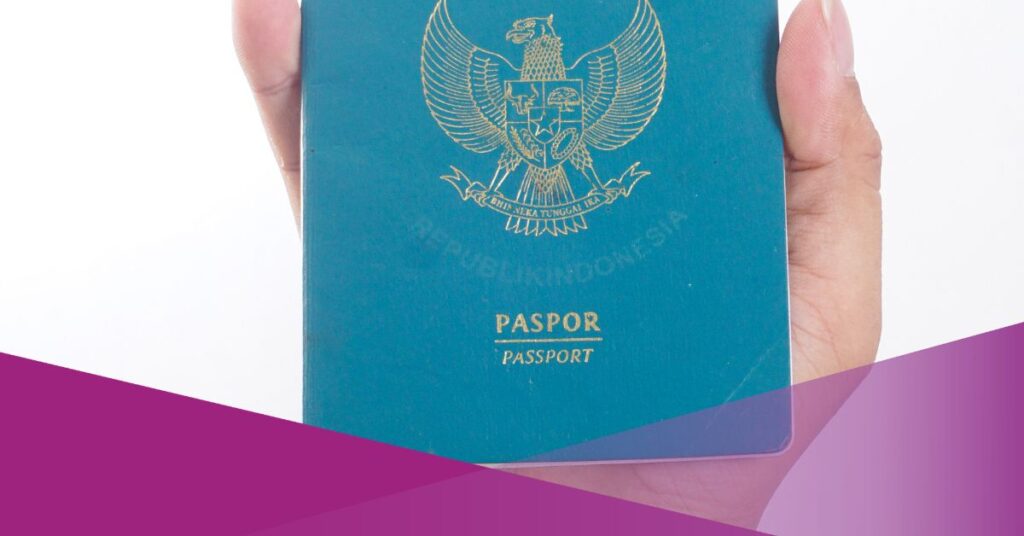
BNPB recommends storing identification documents such as passports, residence permits, insurance papers, and emergency contact details in a waterproof folder. Tourists and expats are also advised to include personal medication, basic first-aid supplies, masks, and hand sanitiser.
Other essential items include bottled drinking water, ready-to-eat or long-lasting food, a flashlight, a portable charger or power bank, and a whistle for emergency signalling. Spare clothing, a light blanket, a raincoat, and sufficient cash for urgent needs should also be included.
Additional items may be necessary depending on personal circumstances, such as baby supplies or routine medication for elderly family members.
BNPB urges residents and visitors to place preparedness bags in easily accessible locations and to regularly check their contents, particularly food and medicines. Expiration dates should be monitored closely to ensure all supplies remain usable during emergencies.
Authorities continue to advise the public to follow official updates from BMKG and local disaster agencies while remaining calm and prepared as weather conditions evolve.