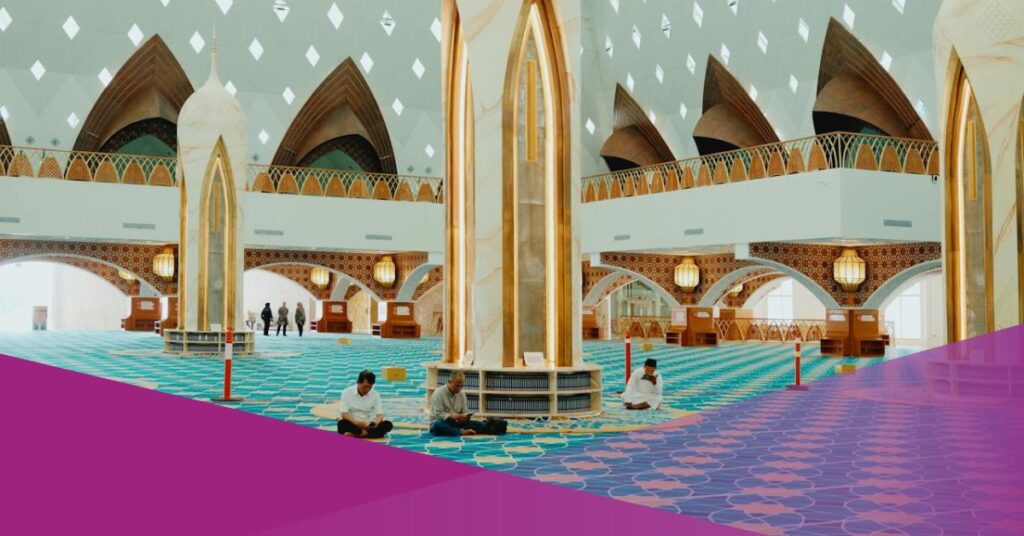
Ramadan is here! the ninth month of the Islamic calendar, is a period of fasting, prayer, reflection, and community for Muslims in the whole world. It’s a time for Muslims to focus on spiritual intensity and unite in the month of kindness.
In Indonesia, the world’s largest Muslim-majority country, Ramadan means sharing to one another as sharing is caring.
We will explore more about the traditions, foods, and culture that makes Ramadan in Indonesia uniquely worth to experience while visiting. It’s time to prepare ourselves to fully embrace this holy month to the fullest in February and March 2026.
Millions of Muslims in Indonesia
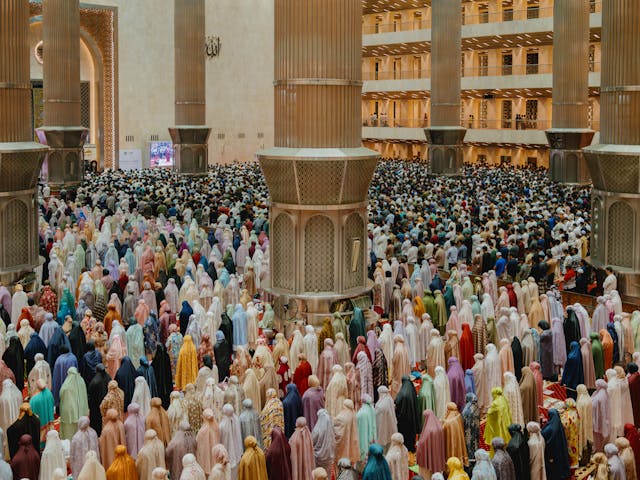
By GoodStats, the most populous Muslim country in the world is Indonesia. As of 3 March 2025, Indonesia has some 244.7 million estimated Muslims and a total population of 281.3 million.
Muslims constitute about 87% of Indonesia’s population. Indonesia, according to international standards, accounts for approximately 13.1% of all Muslims worldwide, with an estimated population of 2.2 billion by 2030.
Find out top 5 countries with the largest Muslim populations as of March 2025:
- Indonesia: 244.7 million
- Pakistan: 239.7 million
- India: 223.4 million
- Bangladesh: 159.7 million
- Nigeria: 118.9 million
This data reaffirms Indonesia’s position as the country with the largest Muslim population.
When is Ramadan 2026?
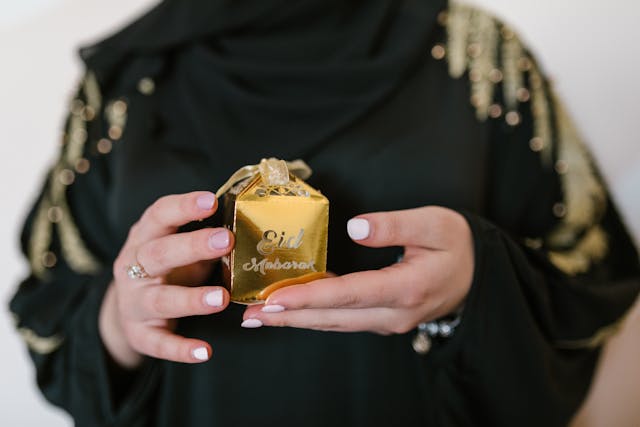
As quoted by Kompas, based on predictions, Ramadan 1447 H will begin on February 18, 2026. In Indonesia, the start of Ramadan is calculated both astronomically (hisab) and physically through the observation of the new moon.
Indonesians muslim organizations like Muhammadiyah usually use astronomical calculations and have already determined the date using the Kalender Hijriah Global Tunggal (KHGT).
The government, however, relies on rukyatul hilal, which involves observers looking for the new moon. The official date is then announced after a hilal sighting and sidang isbat (confirmation meeting). The role of Isbat session is very crucial in determining Ramadan’s start.
What to Prepare on Holy Month of Ramadan 2026
Build Strong Spiritual Needs
To make the most of Ramadan, spiritual preparation is key. Here’s how you can get ready:
The Holy Month of Ramadan is closely linked to the Quran, as it was during this month that the Quran was revealed. Increase your daily recitation, study its meanings, and reflect on its guidance. Even reading a little each day can deepen your connection.
Get your body and mind accustomed to fasting by observing voluntary fasts before Ramadan. The Prophet Muhammad ﷺ often fasted on Mondays and Thursdays, providing a perfect model to follow.
The long nights before Ramadan are a great opportunity to establish a habit of night prayers (Qiyam-ul-Layl). These prayers hold significant value and can set a spiritual tone for the holy month.
Get Your Body Fit
Fasting month is all about physical endurance, adjusting your body to new sleeping and eating schedule can be challenging.
Prioritize your health! If you have any health conditions, consult your doctor. Regular exercise can also help you maintain your energy levels during fasting.
Plan your meals for sahur (pre-dawn meal) and iftar (breaking the fast). Focus on nutritious foods that provide sustained energy, such as complex carbohydrates, proteins, and healthy fats.
What to Wear?
During Ramadan, make sure you prioritize dressing modest. You can also be unique! by consider wearing traditional Indonesian Muslim clothing, such as baju koko for men and mukena for women, especially during prayers and religious events in Indonesia during Ramadan.
An Expat Guide: How is the Ramadan Culture in Indonesia?
As an expat familiarize yourself with local customs, such as communal iftar gatherings, special prayers (tarawih), and charitable activities.
Ngabuburit refers to the time spent waiting for the iftar. Observe Ramadan in positive activities like reading, volunteering, or exploring local markets.
Hype the vibe with fasting during Ramadan culture like hunting iftar meals, it is worth to experience.
Popular Starters for Breakfasting During Fasting Month
Takjil is the name! it boast an incredible variety of starters specialties. In Jakarta, there are many stalls near the mosque that sell takjil. Try the popular and refreshing shaved ice dessert of Es Buah to heartwarming Kolak, that will refreshened up your day!
Kolak
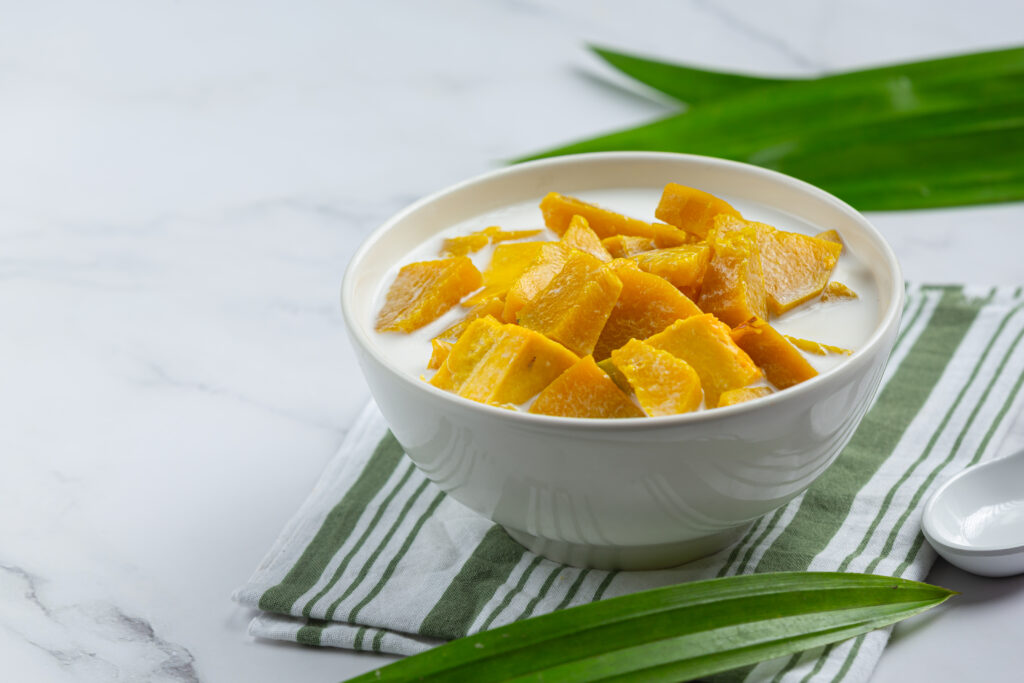
This dessert is a must-have on most Indonesian iftar tables. The unique ingredients of palm sugar, coconut milk, and a medley of fruits and vegetables blends together to create a best sweet treat.
What you will taste inside are Bananas, cassava, sweet potatoes, and even jackfruit are popular choices.
Es Buah (Fruit Ice)
Another one is this refreshing fruit bowl with tasty syrup and a chilled base is popular iftar option. A mix of seasonal fruits like dates, apple, watermelon, mango, and jelly bathes in a sweet and refreshing syrup.
Eid Al-Fitr: End of Ramadan Important Day
After a complete fasting month of Ramadan, The celebrations of Eid Al-Fitr, Idul Fitri, or Lebaran will close this holy month. Then, Muslims could enjoy feast of signature dish on this day like Opor Ayam, Ketupat, Bakso, Es Buah and many more.
People Also Ask (PAA)
How Many Days Does Ramadan Last?
Ramadan lasts 29 or 30 days, depending on the sighting of the moon. At the end of Ramadan, Muslims celebrate Eid al-Fitr (Lebaran), one of the biggest national holidays in Indonesia.
How does Ramadan affect tourists and visitors in Bali/Indonesia?
In Muslim-majority areas (Jakarta, Lombok, Aceh, parts of Java), some restaurants may close during the daytime or operate limited hours. Also eating and drinking in public during fasting hours should be done discreetly. Bali is predominantly Hindu, so daily life remains largely normal.
How does Ramadan affect businesses and working hours in Indonesia?
Ramadan typically brings adjusted working schedules across Indonesia. Restaurants and food businesses see peak sales during iftar and pre-dawn (sahur) hours.
Cover: Photo by Mohammed Alim/Pexels