Where Do Expats Live in Bali? From Canggu to Sanur, This is A Guide for Expats in Indonesia
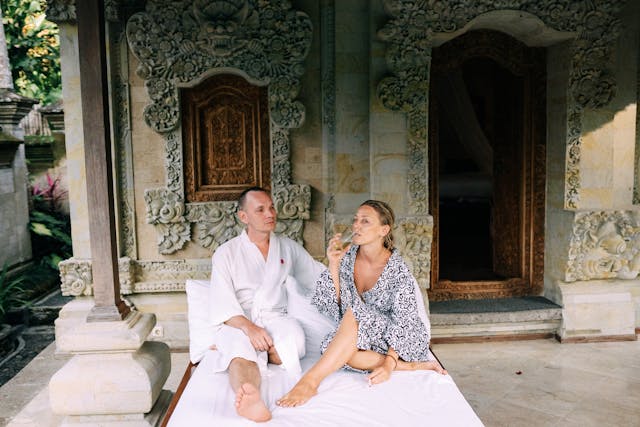
Bali remains one of the most sought-after destinations for expatriates and digital nomads in Southeast Asia. The presence of foreigner who blend easily into daily life is a familiar sight across the island, reflecting Bali’s transformation from a holiday destination into a long-term home for many international residents.
Some visitors initially arrive for a short holiday but choose to extend their stay after experiencing the island’s lifestyle. Others relocate intentionally, drawn by Bali’s reputation as a global hub for remote workers. With its relatively affordable cost of living, strong infrastructure, and established expat communities, Bali continues to attract professionals seeking flexibility and quality of life.
Have a plan to move to Bali? This guide explains where expats live in Bali, highlighting the most popular areas to live in Bali, their advantages, and what makes each location appealing.
Why Expats and Digital Nomads Choose Bali, Indonesia
Affordable Cost of Living Compared to Western Countries
One of the main reasons expat and digital nomads move to Bali is the relatively low cost of living. Compared with major cities in Europe, Australia, or North America, daily expenses in Bali remain significantly lower.
Accommodation, transportation, and dining are generally affordable, allowing many expatriates to maintain a comfortable lifestyle. Renting a private villa, eating at restaurants, and accessing services such as gyms and wellness centres are often more accessible than in their home countries.
The lower cost structure makes Bali particularly attractive to remote workers who earn foreign income but live locally.
Infrastructure That Supports Remote Work
Reliable internet access and modern facilities have strengthened Bali’s reputation as a digital nomad destination. Many areas offer high-speed internet, coworking spaces, and cafes designed for remote working.
Neighbourhoods such as Canggu, Seminyak, and parts of Denpasar have seen rapid growth in co-working infrastructure, supporting professionals who rely on online communication, data transfer, and video conferencing.
These facilities make it easier for remote workers to remain productive while living abroad.
Natural Environment and Tropical Climate
Bali’s landscape, including beaches, rice fields, forests, and volcanic mountains, provides an appealing environment for residents seeking balance between work and leisure.
The tropical climate, with warm temperatures throughout the year, attracts many expatriates from colder regions. Access to outdoor activities, including surfing, yoga, and hiking, contributes to a lifestyle that prioritises wellbeing.
Where Do Expats Live in Bali? Popular Areas Explained
Buleleng: Quiet Coastal Living in Northern Bali
Buleleng, located in northern Bali, offers a quieter alternative to the island’s southern tourist hubs. The journey from Denpasar takes approximately two and a half hours.
The area is known for natural attractions such as Lovina Beach, Lake Buyan, and Gitgit Waterfall. Buleleng is also home to events including the Buyan Jungle Run and the Buleleng Bali Koi Festival.
Advantages
Lower cost of living compared with southern Bali
Quieter environment with fewer tourists
Easy access to natural landscapes, including waterfalls and mountains
Strong local community and traditional atmosphere
Disadvantages
Distance from Ngurah Rai International Airport
Limited nightlife and entertainment
Fewer healthcare and shopping facilities
Private transport is often necessary
Property developments such as private villas in Munduk offer scenic views of lakes and mountains, appealing to those seeking privacy and tranquillity.
Sanur: Family-Friendly Living Near Denpasar
Sanur, located within Denpasar, is one of the most established residential areas for expatriates. Its proximity to the airport and essential services makes it particularly attractive to families and retiree.
The coastal promenade, healthcare facilities, international schools, and relaxed atmosphere contribute to Sanur’s reputation as a practical and comfortable place to live.
Advantages
Easy access to healthcare and services
Family-friendly environment
Beachfront walking and cycling paths
Wide range of accommodation options
Disadvantages
Limited nightlife compared with Seminyak or Kuta
Some areas are heavily tourist-oriented
Kerobokan: Residential Area Close to Seminyak and Canggu
Kerobokan offers a balance between accessibility and quieter living. Located near Seminyak and Canggu, it provides access to restaurants, shops, and beaches without being in the centre of nightlife areas.
Advantages
Strategic location near major expat hubs
Wide range of villas and rental properties
Access to dining, shopping, and gyms
Disadvantages
Traffic congestion
Limited pedestrian infrastructure
Some areas lack traditional character
Kuta: Tourism and Entertainment Hub
Kuta is one of Bali’s busiest districts and is located just minutes from the airport. It offers extensive commercial infrastructure, shopping centres, and nightlife.
Advantages
Immediate access to beaches (beachside property)
Wide range of entertainment options
Strong infrastructure and services
Disadvantages
Heavy traffic and crowded environment
Higher cost of living in tourist zones
Noisy atmosphere
Ubud: Cultural and Wellness Centre
Ubud, located inland in Gianyar Regency, is known for its cultural heritage, wellness centres, and natural lush surroundings. The area attracts expatriates interested in yoga, meditation, and creative work. Ubud’s property market is characterized by traditional Balinese houses and luxurious villas surrounded by nature.
Advantages
Quiet environment surrounded by nature
Strong arts and cultural community
Popular among wellness professionals
Disadvantages
Distance from beaches
Limited nightlife
Traffic congestion in central areas
Jimbaran: Coastal Living with Resort-Style Amenities
Jimbaran combines coastal living with convenient access to the airport. It is particularly known for its seafood restaurants and quieter residential atmosphere. You can live among locals and have the real experience of Indonesian life.
Advantages
Close to airport
Scenic beaches and coastal lifestyle
Suitable for families
Disadvantages
Limited nightlife
Traffic congestion during peak hours
Canggu: Digital Nomad and Expat Community Hub
Canggu has emerged as one of the most popularexpat areas for digital nomads in Bali. Its strong expat community, co-working spaces, and cafes make it a preferred base for remote workers. Previously a sleepy fishing village, this spot become popular expat destination.
Advantages
Large expat and digital nomad community
Modern cafes, gyms, and co-working spaces
Access to beaches and social venues
Disadvantages
Significant traffic congestion
Increasing cost of living
Noise in busy areas
Seminyak: Lifestyle and Luxury Living
Seminyak is known for its upscale lifestyle, restaurants, and beach clubs. The area appeals to expatriates seeking convenient access to dining, nightlife, and shopping.
Advantages
Premium dining and entertainment options
Strategic location between Kuta and Canggu
Wide selection of luxury villas
Disadvantages
Higher rental costs
Traffic congestion
Crowded during peak seasons
Property Options: Villas and Long-Term Accommodation
Private villas remain one of the most popular housing options for expatriates living in Bali. These properties offer privacy, space, and amenities such as pools and gardens.
Locations including Canggu, Ubud, and Seminyak offer a wide range of villas, from affordable rentals to luxury properties.
Frequently Asked Questions (People Also Ask)
Where do most expats live in Bali, Indonesia?
Most expatriates live in Canggu, Seminyak, Ubud, and Sanur due to their infrastructure, international communities, and housing options.
Is Bali a good place for digital nomads?
Yes, Bali offers reliable internet, co-working spaces, affordable living costs, and established digital nomad communities.
What is the cost of living in Bali for expats?
What most expats do in the beginning is to start with a tourist visa (visa on arrival). Visa can cost a lot. The cost of living varies depending on lifestyle and location. Many expatriates spend between £800 and £2,000 per month, including accommodation.
Which area in Bali is best for families?
Sanur and Jimbaran are popular among families due to their quieter environments, healthcare access, and proximity to schools.
Can foreigners buy property in Bali?
Foreigners cannot directly own freehold land in Indonesia, but they can access property through leasehold agreements or legal ownership structures.
Bali continues to attract foreigner due to its affordability, infrastructure, and lifestyle opportunities. Areas such as Canggu, Seminyak, Ubud, and Sanur remain among the most popular choices, each offering distinct advantages.
While some expatriates prefer the social environment of Canggu, others choose quieter areas such as Ubud or Buleleng. Ultimately, the best location depends on lifestyle preferences, budget, and work requirements.
Cover Photo by Alesia Kozik/Pexels
Find this article helpful? Check out our other articles from Social Expat for more Indonesia Guide!