From language barriers to religious constraints, it is not always foreigner-imagined in this country. We go on to try, in the following article, to drill out all such misconceptions and show how real life actually goes when one resides as an Indonesia expat. Maybe you are considering relocation, or you simply want to know how life is here-let’s find out precisely how things really are!
How Does Life Seem in Indonesia?
-

Expat Indonesia (Source: Jeremy Bishop on Unsplash)
Indonesia, being a South East Asia country, comprises a variety of cultural diversities. Every region visited within this country provides an unforgettable life experience for the tourists. Besides all that, Indonesia is famous for its friendliness and warmth due to its cultural identity and diversity.
They see that starting a new chapter in life would be best relocated to Indonesia for something which is perhaps not available in their native country. Working in Indonesia is also an option to support your best living by earning money with this system in Indonesia.
However, with plans to relocate to this beautiful country, there are bound to be fallacies about the location. This too applies to expatriates who opt to relocate to Indonesia. A couple of myths may make you doubt your decision for starting all afresh in this country.
Expat Indonesia: Complete 2025 Expat Guide to Moving and Living in Indonesia
Common Expatriate Fallacies about Indonesian Culture
-
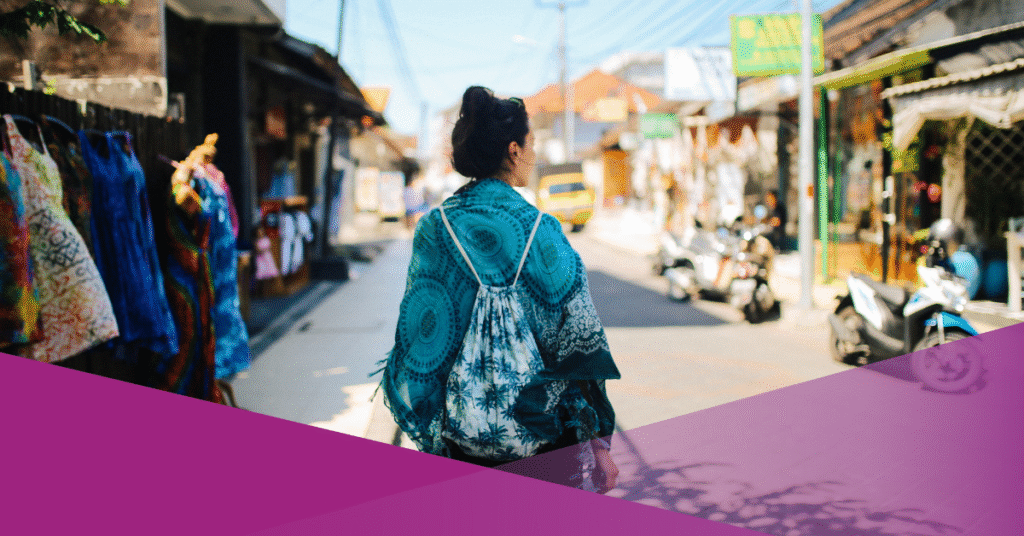
Source: Polina Kuzovkova on Unsplash
Following are some of the common misconceptions about living in Indonesia and what actually happens to dispel them:
Indonesia is too conservative to live in, especially for digital nomad.
While Indonesia is one of the most religious countries in the world, those outside of Indonesia would think Indonesia is ultra-conservative when compared to Singapore, to set up residence in; very contrary to reality, at least for expatriates.
Although Indonesia is highly respectful of politeness norms, human rights are followed too, in which you are free to express yourself; Indonesians do not mind what you wear or do as long as you adapt to the situation and conditions that surround you and remain polite among them.
All kinds of Indonesian cuisine are spicy.
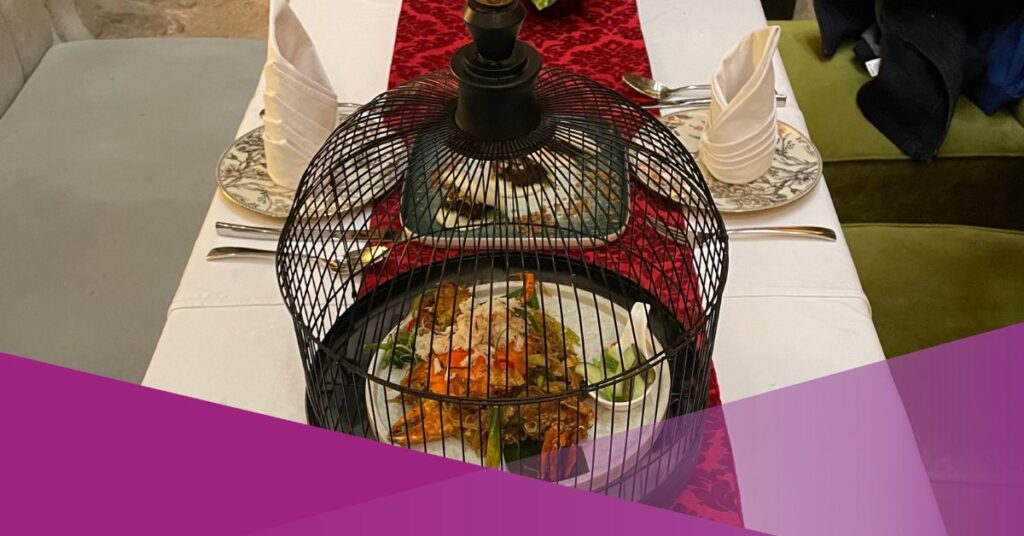
Lately, Indonesian culinary delights seem to highlight the spicy flavor in food, thus creating the perception of Indonesia being an all-spicy country. Finding food is such a challenge for expats who can’t stand a certain level of spiciness in Indonesia; this makes them doubt living here for foreigner.
Traditional Indonesian food varied in all kinds of flavors, and spicy was not always the most popular. They could be alternatives for those of you who cannot bear the degree of spiciness in traditional food. It ranges from savory ones like fried chicken or rendang to sweet foods like gudeg or empal gentong.
“Indonesians don’t speak in English; how are they going to understand us?”
True, Indonesian people’s mother tongue is not English. Except for Indonesian language, regional citizens in Indonesia still use their regional languages in daily conversation. More than 700 regional languages are documented in Indonesia. So, how do Indonesians understand and communicate with expats in Indonesia?
Having lived in Indonesia, you shouldn’t be worried about the communication gap. With time and development, Indonesians are capable of understanding and speaking to you in English, let alone in metro cities where some of them can even be found bilingual or multilingual, and can also be seen being vastly spoken at some places like offices and schools.
Indonesia is smaller than Bali.
It is one of the most famous destinations in the world. So famous, some of the expats know about Bali and never know about Indonesia, and they think Indonesia and Bali are two countries, and even Indonesia is smaller than Bali.
Indonesia holds the position for the sixth largest land area in Asia and fifteenth largest in the world. Indonesia consists of an archipelago of islands, one of which is Bali Island is located east of Java Island. Because of that, it can be concluded that Indonesia is a really huge country, so huge compared to Bali.
Well, you can use it while living in Indonesia to travel and visit other places rather than stick to Bali only.
Get to Know about Cost of Living in Indonesia
Whether it is relevant to long-term stay in Indonesia or live abroad, this living costs information is highly relevant, especially for expatriates who plan to retire in Indonesia. Besides, economical tourism conditions may change; the information given below provides a general overview for adapting to life in Indonesia:
Housing Accommodation
Housing costs can vary greatly depending on which area of Indonesia. Indonesia is generally going to tend to have higher rents compared to smaller towns or rural areas. For a one-bedroom apartment in the city center, the approximate monthly rent is around IDR 4 million to IDR 8 million, approximately $280 to $560 USD, but still, you get to find affordable housing on the outskirts.
Utilities
Utilities for electricity, heating, cooling, water, garbage, and internet cost between IDR 1 million and IDR 2 million a month. It is higher in a metropolis.
Groceries
Food expenses can be quite reasonable, especially if purchases are made from local markets. For a single person, the grocery bill can be anywhere from IDR 1 million to IDR 2 million per month, depending on one’s diet and choice of life in using either local or imported goods.
Public Transportation in Indonesia
In general, public transport in Indonesia is affordable enough for daily life. This would be in the region of IDR 300,000 to IDR 700,000 per month, assuming the alternative could well include bus or motorbike transport. It could be more costly for someone who would like to own a own car.
Dining Out
Eating out from local warungs food stalls or street vendors is extremely cheap, and you’ll be able to find Indonesian food starting from as low as IDR 15,000 to IDR 50,000, around $1 to $3.50 USD. Mid-range restaurants could go to about IDR 50,000 to IDR 200,000, or approximately $3.50 to $14 USD per serving per head.
Recreation and Entertainment
The price of entertainment and amusement varies. Some attractions, movie theatres, and other entertainment facilities are pretty cheap. Entrance fees to any facility would cost about IDR 50,000 to IDR 200,000, approximately $3.50 to $14 USD.
Pros and Cons of Moving to Indonesia
Moving to Indonesia, like moving to any country other than one’s own, has its share of advantages and disadvantages. The following are the advantages and disadvantages for expat Indonesia, that one can expect when relocating to Indonesia:
Advantages
Cultural Diversity: Indonesia is a culturally diversified country. It contains hundreds of ethnic groups, languages, and traditions. This fact promises another different and enriching experience for the expat community.
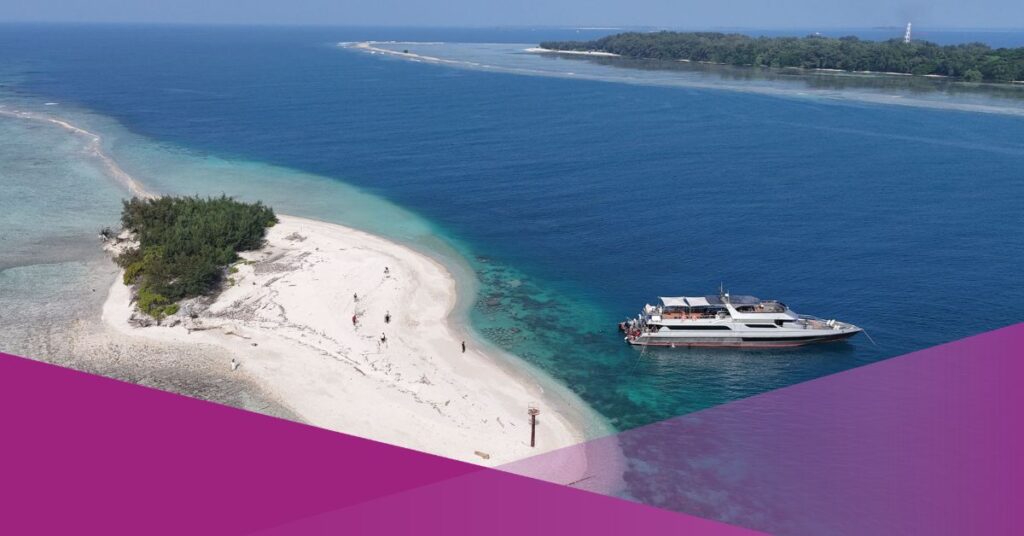
Natural Beauty: At the same time, Indonesia is a country with extraordinary natural beauty-beautiful beaches, evergreen jungles, and active volcanoes.
Warm climate-all-year-round, Indonesia is a country with a tropical kind of weather, which is warm. That will attract the lovers of continuous warm and sunny weather.
Disadvantages
Language Barrier: Most Indonesians can speak English, especially in big cities, but there could be a problem with the language barrier in remote and rural areas. The official language used is Bahasa Indonesia, and learning the language might just become crucial for better communication.
Traffic and Infrastructure: Similarly, the congestion is an old acquaintance, while some areas have less advanced infrastructure; that too would affect living quality in general.
Cultural adjustment probably is the toughest one: new customs, social norms, and different ways of doing things take time to understand and integrate into comfortably in Indonesia.
Travel Visa for Expats in Indonesia
To navigate the Indonesian government visa requirement, The Visa on Arrival in Indonesia is available for residents of certain countries only. It is valid for only 30 days and extendable for another 30 days upon re-application. It means one may stay 60 days in Indonesia on a VOA. Any other types of Indonesian visa are temporary stay permit card, kitas, and for more specific types and details Click here.
Make sure your passport is valid for at least six months. However, it does not qualify for a working visa neither it can be converted to another valid one.
*Please note to always double-checked at directorate general of immigration nearby
Looking to Start New Life in Indonesia?
On the other hand, many expats have probably heard some misconceptions about this country if you consider relocation instead of traveling around Indonesia. Anyway, moving to Indonesia has some advantages and disadvantages, just like anywhere else in the world. Indonesia is a country that possesses impressive cultural heritage, beautiful natural landscapes, and hospitable people who live there. It is a country where different kinds of traditions and modernity manage to coexist peacefully.
Indonesia will meet a lot of tastes-from noisy city life in major cities like Jakarta to quiet beaches in Bali. So, relocating to Indonesia is not worth being misguided by certain misconceptions. After all, Indonesia is a perfect place for explorations and adjustment to a different lifestyle.
Pros and Cons of Moving to Indonesia
Moving to Indonesia, like moving to any country other than one’s own, has its share of advantages and disadvantages. The following are the advantages and disadvantages that one can expect when relocating to Indonesia:
Advantages
Cultural Diversity: Indonesia is a culturally diversified country. It contains hundreds of ethnic groups, languages, and traditions. This fact promises another different and enriching experience for the expat community.
Natural Beauty: At the same time, Indonesia is a country with extraordinary natural beauty-beautiful beaches, evergreen jungles, and active volcanoes.
Warm climate-all-year-round, Indonesia is a country with a tropical kind of weather, which is warm. That will attract the lovers of continuous warm and sunny weather.
Disadvantages
Language Barrier: Most Indonesians can speak English, especially in big cities, but there could be a problem with the language barrier in remote and rural areas. The official language used is Bahasa Indonesia, and learning the language might just become crucial for better communication.
Traffic and Infrastructure: Similarly, the congestion is an old acquaintance, while some areas have less advanced infrastructure; that too would affect living quality in general.
Cultural adjustment probably is the toughest one: new customs, social norms, and different ways of doing things take time to understand and integrate into comfortably in Indonesia.
Travel Visa for Expats in Indonesia
To navigate the Indonesian government visa requirement, The Visa on Arrival in Indonesia is available for residents of certain countries only. It is valid for only 30 days and extendable for another 30 days upon re-application. It means one may stay 60 days in Indonesia on a VOA. Any other types of Indonesian visa are temporary stay permit card, kitas, and for more specific types and details Click here.
Make sure your passport is valid for at least six months. However, it does not qualify for a working visa neither it can be converted to another valid one.
*Please note to always double-checked at directorate general of immigration nearby
Living in Jakarta as an Expat in Indonesia
Choosing to live in Indonesia, especially in Jakarta, offers a fast-paced urban experience where career opportunities and international communities thrive. As the capital city, Jakarta is often the first home for many expats and expatriates moving to the country. The city provides a wide range of accommodation options—from high-rise apartments in the CBD to family-friendly neighbourhoods in South Jakarta—making it easier to find a place that suits your lifestyle.
For those planning to move, one important tip is to stay updated with local news, as regulations and city developments can change quickly. Jakarta also offers extensive healthcare facilities, including international-standard hospitals that cater to expatriates. Over the year, expats can build strong networks through business events and social communities, making it easier to settle in and feel supported. With the right guidance and help, living in Jakarta can be both exciting and rewarding.
Living in Bali as an Expat in Indonesia
For those seeking a more relaxed lifestyle, choosing to live in Indonesia, particularly in Bali, offers a unique blend of culture, nature, and community. Bali has become a popular destination for expats and expatriates looking for a slower pace of life, with many finding their ideal home near lush rice fields or even a beachfront villa.
Moving to Bali comes with its own advantages, especially for digital nomads and creatives. A helpful tip is to choose your area wisely: Canggu for a social scene, Ubud for wellness, or Seminyak for convenience. Access to healthcare is also improving, with several international clinics available across the island.
Throughout the year, Bali hosts events, wellness retreats, and community gatherings that make it easier for newcomers to connect and feel a sense of belonging. Staying informed through local news and expat groups can also provide essential help when adjusting to life on the island.
People Also Ask (PAA) About Expat Indonesia
1. Is Indonesia a good place to live for expats?
Yes, Indonesia is a popular destination for expats due to its relatively affordable cost of living, diverse culture, and welcoming communities, especially in cities like Jakarta and Bali.
2. Where do most expats live in Indonesia?
Most expats choose Jakarta for career opportunities and Bali for lifestyle, though cities like Surabaya and Yogyakarta are also growing in popularity.
3. What should expats prepare before moving to Indonesia?
Expats should prepare visas, accommodation, health insurance, and research local regulations, cost of living, and healthcare access before relocating.
Article photo cover by lechatnoir
Find this article helpful? Check out other articles from Social Expat for more updates about Expat in Indonesia!