As the Lunar New Year approaches on 17 February 2026, restaurants across Indonesia are preparing special offerings of traditional Chinese New Year food to mark the occasion. For families of Chinese descent, this period is closely associated with reunion, shared meals, and culinary traditions that symbolise prosperity, harmony, and good fortune for the year ahead.
Traditional Chinese New Year food is deeply rooted in Chinese culture, with each dish carrying symbolic meaning linked to hope, balance, and renewal. Carp is often served whole to represent abundance and success, while slow-simmered broth symbolises warmth, longevity, and family unity.
An orange is commonly exchanged as a sign of good fortune, especially during visits that continue through the Lantern Festival, which marks the close of the New Year celebrations. Sweet nian gao, made from glutinous rice, reflects the wish for growth and progress in the year ahead, while ingredients such as tofu, cabbage, and bok choy are valued for their associations with purity, wealth, and harmony.
Together, these lunar new year food form more than a festive menu; they reflect values passed down through generations and remain an essential part of how families express gratitude, togetherness, and optimism during the Lunar New Year.
The Meaning of Eating Together During Lunar New Year
One of the most important traditions during Chinese New Year is the reunion meal. Families typically gather at the home of the eldest family member for prayers and a communal dinner, often held on the eve of the Lunar New Year. The act of eating together represents unity, respect for elders, and the strengthening of family bonds.
The dishes served are carefully chosen. A traditional spread often includes ingredients from land and sea, such as fish, poultry, and meat, each carrying symbolic meaning. Fish represents abundance, noodles signify longevity, dumplings are associated with wealth, while glutinous rice cakes symbolise growth and progress. Tangerines are also commonly present, believed to bring luck and prosperity.
While many families continue to host reunion dinners at home, dining out has also become an increasingly popular choice, allowing loved ones to celebrate together without the pressure of preparing elaborate dishes. For those looking for a refined yet approachable experience, Canton 108 offers a contemporary take on classic Chinese New Year cuisine.
Canton 108 as a Lunar New Year Dining Destination
For families who prefer to celebrate outside the home, Canton 108 is positioned as a suitable choice for Lunar New Year gatherings. The restaurant features an interior inspired by classic Chinese design, with wooden elements, warm lighting, and understated decorative details that create a calm and welcoming atmosphere.
Canton 108 also offers four private VIP rooms, each accommodating between 10 and 12 guests. The rooms are connected by internal doors, allowing larger groups to combine spaces for family celebrations or private events. Semi-private dining areas are also available, providing an intimate setting for family meals without sacrificing comfort.
108 Cycles of Fortune: A Special Chinese New Year Menu
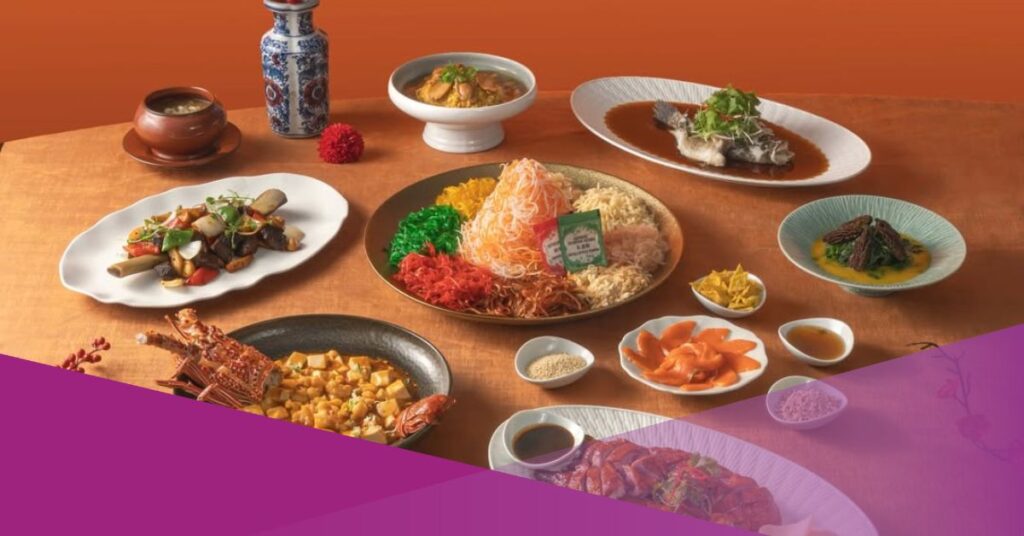
To mark the Lunar New Year, Canton 108 presents 108 Cycles of Fortune, a curated set menu designed for family dining. The restaurant, under the Artisan Kuliner Group, is known for its modern Chinese cuisine that respects traditional flavours while presenting them in a contemporary format.
The menu focuses on lucky Chinese New Year dishes reinterpreted with refined presentation, using accessible, locally sourced ingredients. While visually reminiscent of fine dining, the flavours remain familiar and rooted in home-style Chinese cooking.
Yu Sheng and the Symbol of Prosperity and Good Fortune
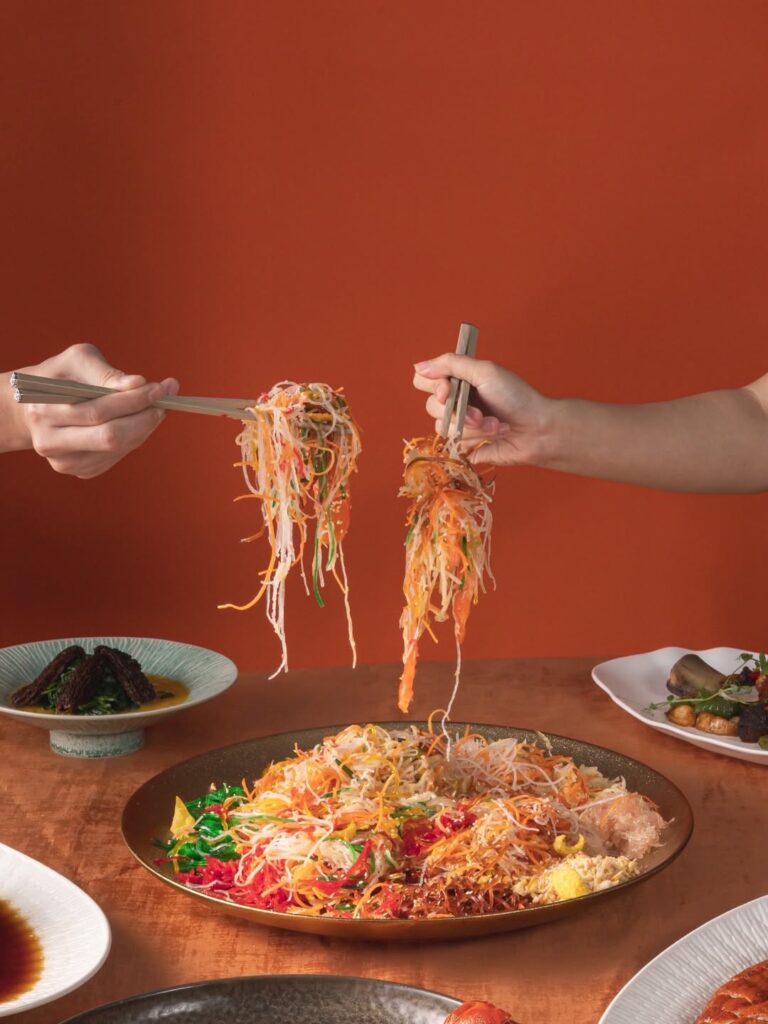
The set menu begins with Yu Sheng, also known as the prosperity toss. This Lunar New Year tradition is widely practised in Singapore, Malaysia, and Indonesia. Family members gather around the dish, tossing the ingredients together while chanting “Lo Hei”, a ritual believed to invite prosperity, success, and happiness.
At Canton 108, the Yu Sheng or the lucky chinese new year foods features fresh fish symbolising abundance, vegetables representing growth and vitality, and sauces that convey sweetness and success for the coming year.
Fish Lip and Chicken Soup
The next course is Fish Lip and Chicken Soup, a traditional Cantonese dish rich in collagen. Commonly served during Chinese New Year banquets and weddings, fish lip soup is associated with luxury and prosperity. Combined with chicken, the soup offers a savoury depth while remaining balanced and comforting.
Steamed Grouper with Superior Soya Sauce
This is followed by Steamed Grouper with Superior Soya Sauce, prepared using live tiger grouper. Known for its firm texture and delicate flavour, tiger grouper is a premium ingredient in Chinese cuisine. Steamed fish is a staple of Lunar New Year meals, symbolising abundance and continuity from one year to the next.
Roasted Chicken
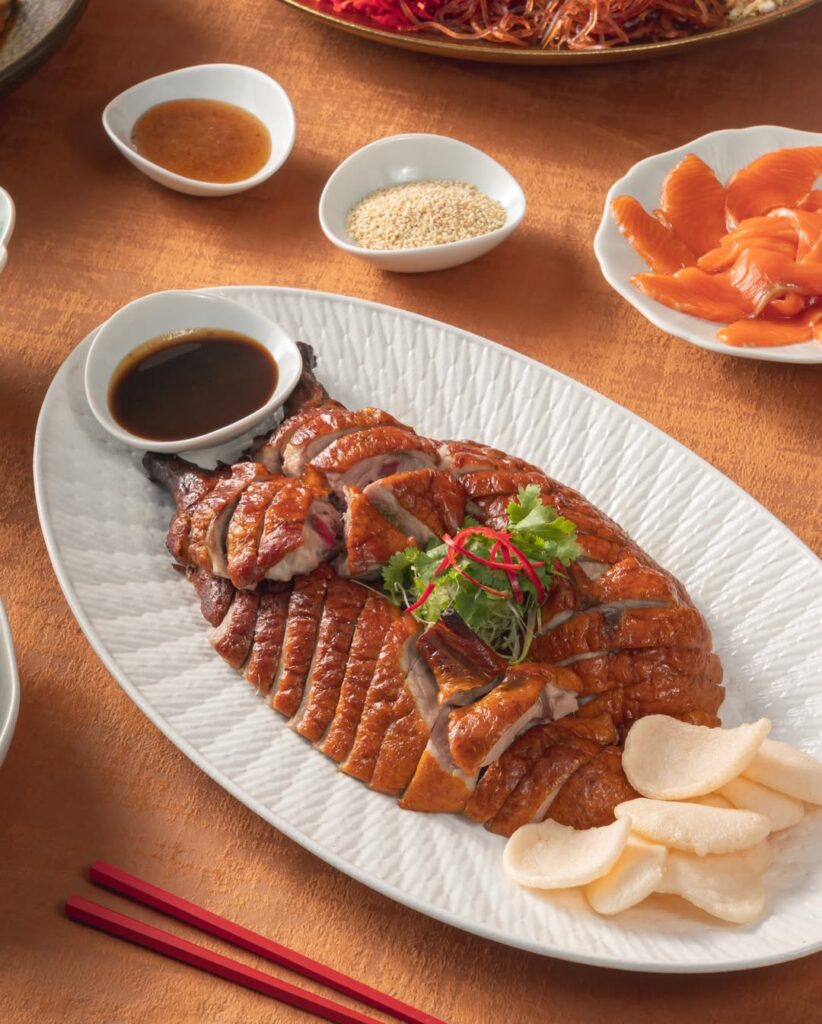
A crowd favourite across generations, Roasted Chicken with Aromatic Spices is also included. In Chinese New Year traditions, poultry represents togetherness and family unity, making it a fitting centrepiece for the celebration.
Fried Prawn with Truffle Mayonnaise
The menu continues with Fried Prawn with Truffle Mayonnaise, made using Southeast Asian prawns. The sweetness of the prawns is balanced with a light, creamy truffle mayo, offering a modern contrast to a classic banquet dish.
Wok-Fried Asparagus Scallops XO Sauce
Another highlight is Wok-Fried Asparagus with Scallops and XO Sauce. Scallops are valued in Cantonese cuisine for their natural sweetness and are often paired with XO sauce to enhance umami flavours. This dish reflects coastal Chinese cooking traditions while remaining suitable for festive dining.
Ifumie Noodle
The savoury courses conclude with Ifumie, a Chinese-Indonesian crispy noodle dish. Noodles play a significant role in Lunar New Year celebrations, symbolising longevity and continuity. Served with a rich topping of seafood, vegetables, and meat, Ifumie is a familiar yet meaningful dish for many Indonesian families.
Tangerine Dessert and Completing the Lunar New Year Meal
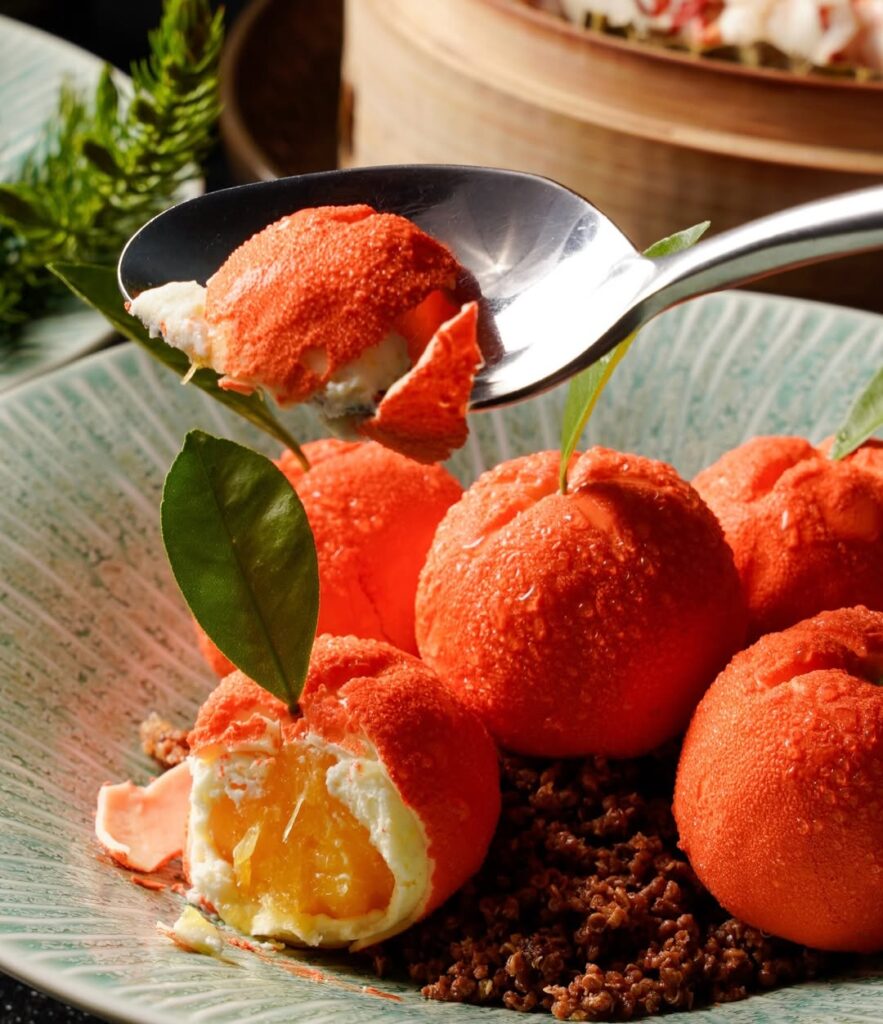
To finish the experience, Canton 108 offers a special Chinese New Year dessert designed to be shared at the table. Desserts during Lunar New Year are traditionally associated with sweetness and hope for a harmonious year ahead, often linked to glutinous rice-based treats and rice cakes that symbolise progress and unity.
By combining symbolic ingredients, traditional meanings, and modern presentation, Canton 108 provides a dining experience that reflects how traditional Chinese New Year food continues to evolve while remaining deeply connected to cultural values. The menu will be available 16-17 February 2026.
For families seeking a Lunar New Year celebration centred on prosperity, togetherness, and meaningful cuisine, Canton 108 offers a thoughtful interpretation of festive dining during the Year of the Horse.
Lihat postingan ini di Instagram