Relocating as an Indonesia expat can be both exciting and challenging. With a growing international community, the country continues to attract professionals from around the world.
However, adjusting to a new environment often requires preparation, particularly when navigating daily life, cultural differences, and professional expectations.
Traffic congestion, language barriers, and unfamiliar business practices are among the most common concerns, especially in major cities.
Understanding how to adapt to these conditions, choosing suitable accommodation, and building social connections can significantly ease the transition.
Understanding Life as an Indonesia Expat
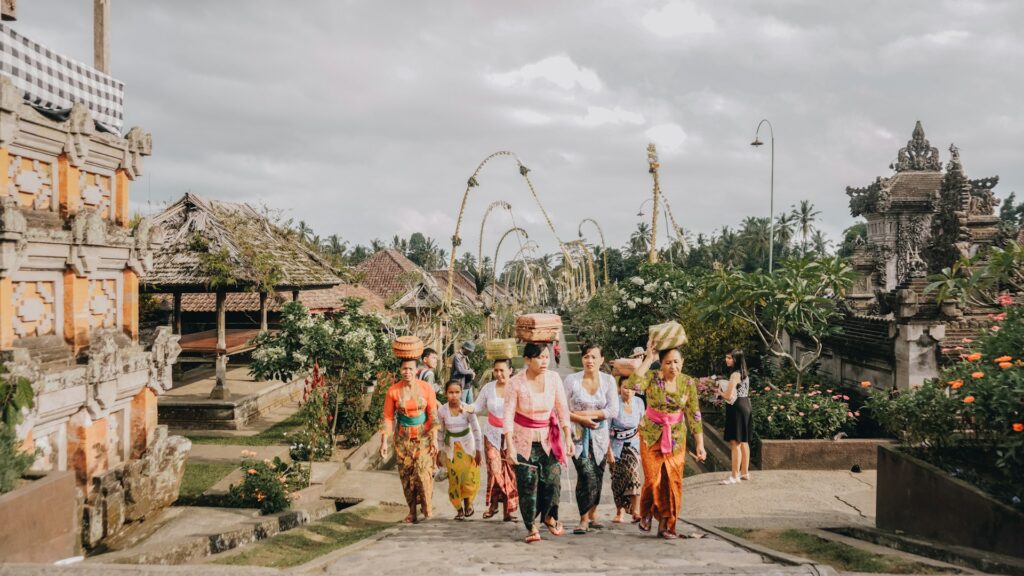
Living in Indonesia offers a unique cultural experience shaped by diversity, tradition, and strong social values. While modern infrastructure is available in urban areas, adapting to local customs and routines is essential for a smooth transition.
One widely recognised local expression states, “Di mana bumi dipijak, di situ langit dijunjung” or “Wherever the earth is stepped on, there the sky is upheld.” This reflects the importance of respecting local culture and adapting to the environment in which one lives.
Key Tips for an Indonesia Expat
1. Learn Basic Indonesian Language Skills
Although it is possible to live in Indonesia using English, particularly in major cities, learning basic Indonesian will make daily interactions easier. It is especially useful outside urban centres where English is less commonly spoken.
Simple phrases such as “thank you,” “excuse me,” and “good morning” can help build rapport with locals. Indonesians are generally welcoming and appreciative of any effort to speak their language, even at a basic level.
2. Choose Accommodation Strategically
For any Indonesia expat, selecting the right place to live is crucial. Traffic congestion, particularly in cities like Jakarta, can significantly affect daily routines.
Living close to the workplace, whether within walking distance or a short commute, can save time and reduce stress. Popular residential areas such as Kemang in Jakarta are known for their expat-friendly environment, offering access to amenities, dining, and social spaces.
Prospective residents are advised to conduct research, join expat communities, and visit neighbourhoods in person before committing to a property. Comfort and convenience should remain the primary considerations.
3. Understand Local Business Etiquette
Professional culture in Indonesia places strong emphasis on politeness, respect, and relationship-building. Business interactions often begin with informal conversation before progressing to formal discussions.
Hierarchy plays a significant role, with respect shown to senior or older individuals. Decision-making processes may take longer, as maintaining harmony and mutual understanding is prioritised.
For Indonesia expats, adapting to these practices can improve communication and foster stronger professional relationships.
4. Build Social Connections and Community
Adjusting to a new country can initially feel isolating. Many Indonesia expats experience a period of adaptation as they settle into their surroundings.
However, opportunities to build connections are widely available. Social events, expatriate communities, and coworking spaces provide platforms to meet both locals and fellow expatriates.
Engaging in community activities and maintaining an open approach to social interaction can help create a supportive network and enhance the overall experience of living in Indonesia.
Challenges and Opportunities
The relocation process may present initial challenges, but it also offers valuable personal and professional growth. As familiarity with the local language, transport systems, and cultural norms develops, daily life becomes more manageable.
Indonesia provides diverse opportunities, from cultural exploration to career development, making it a rewarding destination for expatriates willing to adapt.
Choosing a Place to Stay for Expats in Indonesia: Jakarta vs Bali
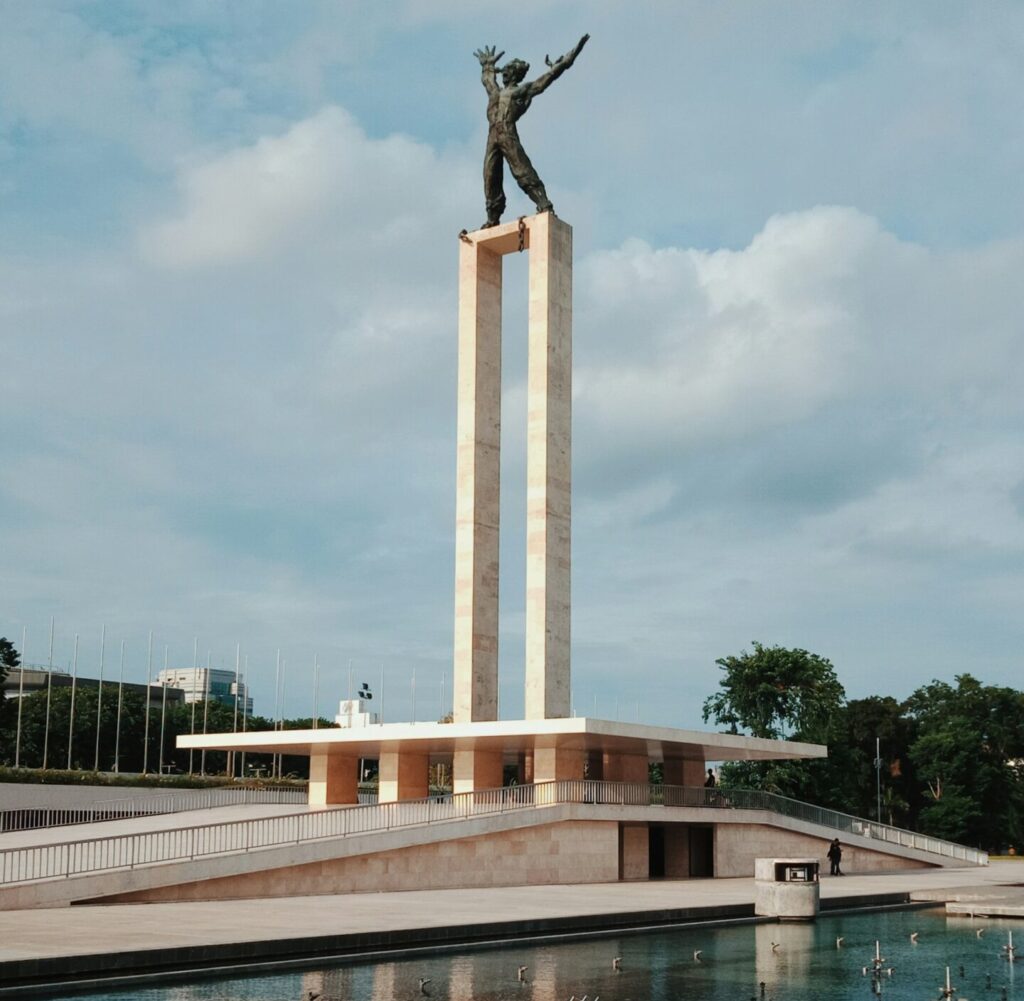
Choosing a place to stay as an expatriate in Indonesia often comes down to a lifestyle decision between Jakarta and Bali. Jakarta, the capital city, offers a fast-paced urban environment with modern infrastructure, international schools, diverse dining options, and strong career opportunities, making it ideal for expats focused on professional growth and city living.
On the other hand, Bali provides a more relaxed, tropical lifestyle with beautiful beaches, a vibrant expat community, and a strong focus on wellness and creativity, attracting those who prioritise work-life balance or remote work.
While Jakarta can be more hectic with traffic and a higher cost of living in central areas, Bali may offer a lower daily cost but fewer corporate job opportunities, so expats should consider their work situation, lifestyle preferences, and long-term goals before deciding where to live in Indonesia.
Finding a Home in Indonesia: A Guide for Expats and Expatriates Living in Indonesia
Finding a home is one of the most important steps for any Indonesia expat planning to live in Indonesia, as it directly shapes your daily lifestyle and overall experience.
Popular areas vary depending on your needs, with Jakarta offering prime neighbourhoods such as Sudirman, Kuningan, and Kemang for those seeking proximity to business districts and vibrant city life, while Bali attracts many expats to areas like Canggu, Seminyak, and Ubud for a more relaxed, community-driven atmosphere.
People Also Ask (PAA) about Indonesia Expat
1. What should an Indonesia expat prepare before moving?
An Indonesia expat should prepare accommodation, understand visa requirements, learn basic Indonesian, and research local culture and transport systems.
2. Is it necessary to speak Indonesian as an expat?
It is not mandatory, but learning basic Indonesian helps with daily communication and improves interactions with locals.
3. Where do most expats live in Indonesia?
Many expats live in areas such as Jakarta, Bali, and Surabaya, with neighbourhoods like Kemang offering expat-friendly facilities.
4. What challenges do expats face in Indonesia?
Common challenges include traffic congestion, language barriers, and adapting to local business etiquette.
5. How can expats make friends in Indonesia?
Joining expat communities, attending social events, and visiting coworking spaces or cafes are effective ways to build connections.
Cover: Photo by Ave Calvar Martinez/Pexels