Expat Indonesia: Understanding the Challenges of Living in Indonesia
Living abroad presents both opportunities and challenges, and the experience of an expat Indonesia is no exception. While the country is known for its cultural diversity and natural landscapes, adjusting to daily life can require time and effort.
For many expatriates planning to settle in Indonesia, several practical and cultural obstacles may arise. From communication difficulties to administrative processes, understanding these challenges is essential for a smoother transition.
Life in Indonesia: 10 Common Challenges Faced by Expats in Indonesia

Life as an expat Indonesia involves adapting to a range of practical and cultural factors. Here are some challenge when you are moving to Indonesia and became an expat.
1. Language Barrier
Although many Indonesians speak basic English, especially in big cities, Bahasa Indonesia remains the primary language for daily interactions. Outside urban areas, English proficiency can be limited, making communication more difficult.
For example, an expat visiting a local market may struggle to negotiate prices or understand product details. Even simple tasks like arranging transport or speaking with maintenance staff can become challenging without basic Bahasa skills.
2. Bureaucracy and Visa Regulations
Indonesia’s administrative processes can be complex and time-consuming for many expats. Visa applications, work permits, and residency documents often involve multiple steps and strict requirements.
An expatriate applying for a KITAS (temporary stay permit) may need to coordinate with sponsors, submit various documents, and wait for approvals. Delays or misunderstandings can disrupt work plans or travel schedules.
3. Cultural Differences
Indonesia has diverse cultural norms rooted in tradition, religion, and community values. Understanding social etiquette is essential to avoid unintentional offence.
For instance, direct confrontation or criticism may be seen as impolite. An expat used to a more direct communication style might unintentionally create tension in the workplace or social settings.
4. Traffic and Transportation
Major cities such as Jakarta are known for heavy traffic congestion. Public transportation systems are improving but may not cover all areas.
An expat commuting to work might spend hours in traffic each day. Ride-hailing apps can help, but travel times remain unpredictable, especially during peak hours or rainy seasons.
5. Healthcare System Navigation
While Indonesia has reputable hospitals, the quality of healthcare varies by location. Expats often need to identify suitable international-standard facilities.
For example, an expat living outside major cities may have to travel to urban centres for specialised treatment. Understanding insurance coverage and hospital procedures can also be complicated.
6. Cost of Living Adjustments
The cost of living in Indonesia can vary widely depending on lifestyle choices and location. While local goods are affordable, imported products, rent prices (housing), and international schooling can be expensive.
An expatriate family choosing international schools for english-speaking family and imported groceries may find their monthly expenses higher than expected, even if basic living costs appear low.
7. Work Culture Differences
Indonesian work culture often emphasises hierarchy, harmony, and consensus. Decision-making processes may take longer compared to more fast-paced environments.
For instance, an expat manager expecting quick approvals may need to adapt to a more consultative approach, where team agreement and respect for seniority play a key role.
8. Climate and Weather
Indonesia’s tropical climate brings high humidity and seasonal rainfall, especially in Bali. For those unfamiliar, it can affect daily comfort and productivity.
An foreigner from a temperate country may find the heat exhausting, especially during outdoor activities. The rainy season can also disrupt travel plans and cause flooding in certain areas.
9. Social Integration and Loneliness
Building a social network in a new country can take time. Cultural differences and language barriers may make it harder to form close connections.
An expatriate who relocates alone may initially feel isolated. Joining community groups or attending social events can help, but adjusting to a new social environment requires effort.
10. Infrastructure and Utilities
Infrastructure quality varies across regions. Issues such as inconsistent internet speed, power outages, or limited public services can affect daily life.
For example, an expat working remotely may face interruptions due to unstable internet connections. This can impact productivity, especially for those relying on digital communication.
Overview
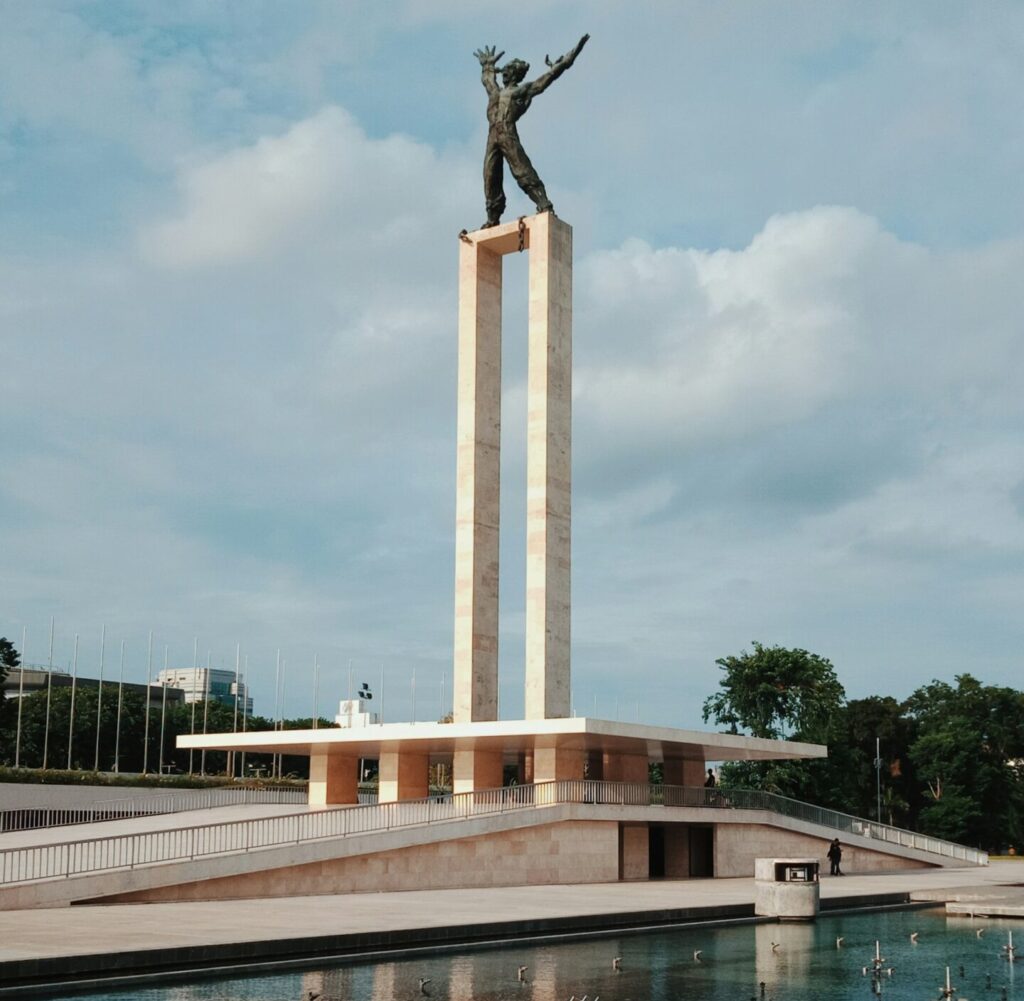
Located in Jakarta on the island of Java, Indonesia’s largest city serves as both the capital and a major hub for immigration, business, and tourism in Asia. With more than 10 million residents, the city reflects the diversity of the country’s vast archipelago, where cultures, languages, and traditions intersect.
Travellers arriving with a passport in hand often begin their journey here or through key gateways such as Ngurah Rai International Airport, especially those drawn to Indonesia’s renowned beach destinations and tropical landscapes.
Beyond Jakarta, cities like Surabaya play a significant role in economic growth and regional connectivity, particularly for those exploring ownership opportunities or long-term stays. Other major urban centres such as Bandung and Medan, located near the island of Sumatra, offer alternative entry points into the country’s dynamic tourism landscape.
With its proximity to Singapore, Indonesia continues to attract international visitors and expatriates navigating their immigration journey across one of Asia’s most diverse island nations.
People Also Ask (PAA) about Challenges for Expatriates in Indonesia in 2026
1. What challenges do expats face in Indonesia?
Expats in Indonesia commonly face language barriers, visa processes, cultural differences, and difficulties in social integration.
2. Is it difficult to get a job as an expat in Indonesia?
Yes, it can be challenging due to strict requirements, including relevant experience and work permit regulations.
3. Do expats need to speak Indonesian?
It is not mandatory, but learning basic Indonesian greatly helps with communication and daily life.
4. How do expats adapt to Indonesian culture?
Adaptation involves understanding local customs, respecting social norms, and actively engaging with the community.
5. Is bureaucracy a problem for expats in Indonesia?
Administrative processes can be complex and time-consuming, making local assistance useful for navigating legal requirements.
Cover: Photo by Pavel Danilyuk/Pexels