Indonesia has submitted three cultural traditions—tempeh culture, Jaranan performing art, and Mak Yong theatre—to UNESCO for inclusion on the Representative List of the Intangible Cultural Heritage of Humanity. The nominations were prepared by Indonesia’s Ministry of Culture and submitted to UNESCO through the country’s permanent delegation in Paris.
The proposal reflects the government’s continued effort to safeguard cultural practices that hold historical significance and strong social value within Indonesian communities.
Indonesia’s Minister of Culture, Fadli Zon, emphasised that international recognition is intended to strengthen preservation efforts rather than simply gain global attention.
“Indonesia is committed to safeguarding intangible cultural heritage, and we have ratified the 2003 Convention to protect it while continuing to actively register elements of our cultural traditions on the UNESCO Intangible Cultural Heritage list,” he said, as quoted from Kompas.
He added that the objective of the nomination is to ensure these traditions continue to be practised and passed down to future generations.
“We believe that international recognition is not the final goal, but a way to ensure that these traditions are preserved, celebrated, and transmitted,” he said.
The nomination process involved collaboration between cultural communities, academics, and regional governments. Documentation included literature reviews, field research, interviews, and cultural records before the final submission was prepared.
If accepted, the three traditions would join several Indonesian cultural practices already recognised by UNESCO, including batik, wayang, keris, and angklung.
Cultural Meaning of Tempeh, Jaranan, and Mak Yong
Each of the nominated traditions reflects different aspects of Indonesia’s cultural identity, ranging from food heritage to performing arts.
Tempeh, one of Indonesia’s most widely consumed foods, represents a long-standing fermentation tradition based on soybeans. Historical references to tempeh appear in the Javanese literary work Serat Centhini, indicating that the food has been consumed for centuries.
Beyond being a staple dish, tempeh reflects traditional knowledge related to fermentation techniques and community-based food production.
“Tempeh is not merely an everyday food for Indonesians, but also knowledge, culture, and traditional food technology that continues to live and develop,” Fadli Zon said.
Meanwhile, Jaranan is a traditional performing art that combines dance, music, and ritual elements. Often associated with horse-themed performances such as Jaran Kepang or Jathilan, the art form involves dancers performing symbolic movements accompanied by gamelan music.
The cultural practice is widely performed in Java and includes various regional variations. Indonesia has proposed the nomination jointly with Suriname, reflecting the historical cultural connections between Javanese communities in both countries.
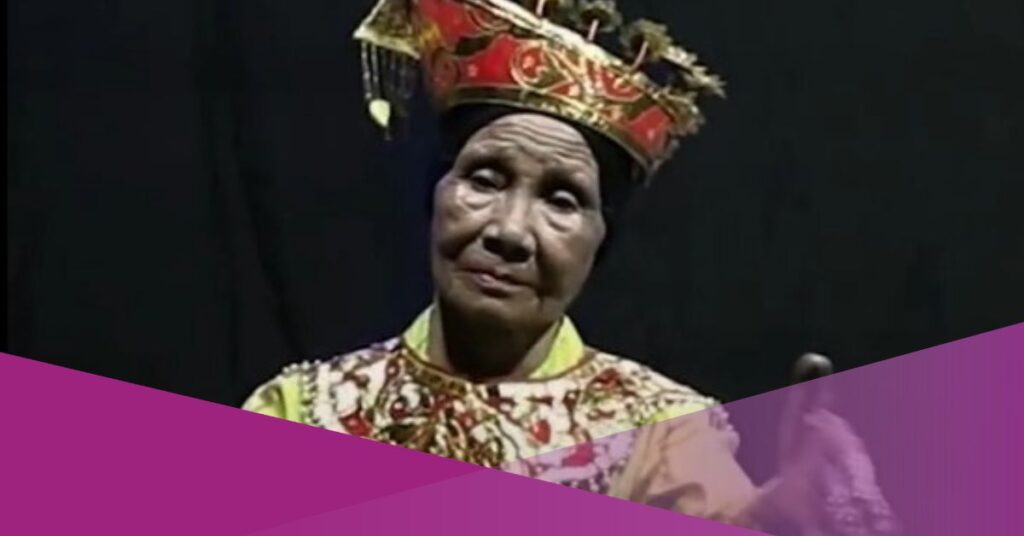
Another cultural element included in the nomination is Mak Yong, a classical theatre tradition combining drama, dance, music, and storytelling. The performance tradition originated in the Malay cultural sphere and later spread to parts of Indonesia, particularly in the Riau Islands.
Mak Yong was previously recognised by UNESCO in 2008 as part of Malaysia’s intangible cultural heritage. Indonesia’s nomination therefore, takes the form of a cultural extension, intended to highlight the shared heritage and strengthen cooperation between the two countries.
“With this extension proposal, Indonesia is committed to participating in the preservation of Mak Yong as a traditional performing art rich in cultural value,” Fadli Zon said.
Through these nominations, Indonesia hopes to increase global awareness of its cultural diversity while strengthening preservation efforts at home. Recognition by UNESCO would also encourage international cooperation and support the continued practice of these traditions within local communities.